

 实景预览
实景预览
 发送
发送 分享
分享
 详情
详情 指南
指南

 下载图片
下载图片
 相似作品
相似作品 X射线
X射线 幻灯片播放
幻灯片播放 统计数据
统计数据Idol


 阅读全文
阅读全文
艺术微喷/版画
博物馆级艺术微喷或帆布版画,制作高效,并提供多种饰面选择。 ( 订购此收藏品的纯手工复刻画作 切换至数字图像销售渠道)




P118B ¥10

P118H ¥10

P118W ¥10

P438Z ¥10

P508JH ¥12

P508YH ¥12

P805H ¥10

P805Z ¥10

P919BZ ¥10

P919G ¥10

P919XJ ¥10

P959ZH ¥10

P968JZ ¥12

W106C ¥8

W218G ¥10

W218JH ¥8

W218Y ¥10

W307PJ ¥10

W316G ¥10

W316PJ ¥8

W316Y ¥10

W398PJ ¥8

W4111J ¥10

W500HY ¥15

W500JH ¥15

W692G ¥12

W849H ¥8

W940BG ¥15

W953PJ ¥8




您可以从与原作比例一致的预设尺寸中进行选择。

请输入您所需的宽度和高度,以适配您的画框或墙面。由于印刷品只能进行裁剪,无法超出原图尺寸,因此若比例不一致,画面的一部分将会被裁切。在正式印刷之前,我们会为您发送一份数字效果图供您确认。本页面显示的图片并非最终裁剪后的效果——只有效果图才能展示真实的裁剪情况。


 玻璃选项仅适用于110厘米以下的尺寸。

Idol
艺术微喷/版画
复刻品尺寸说明
-


总计金额
¥ 538
A Study in Quiet Contemplation: Examining Vincent van Gogh’s ‘Idol’
Vincent Willem van Gogh's “Idol,” created circa 1886, stands as a deceptively simple yet profoundly resonant work within the artist’s oeuvre. Executed in chalk on paper—a technique favored by Van Gogh during his Parisian period—the drawing presents a solitary male nude figure positioned before a monumental stone wall. This seemingly straightforward composition belies a complex tapestry of artistic considerations and emotional depth, reflecting Van Gogh's evolving stylistic sensibilities and his unwavering fascination with human form.- Style & Technique: “Idol” firmly establishes itself within the Realism movement, albeit imbued with Van Gogh’s characteristic expressive brushstrokes—a subtle departure from Impressionistic ideals. The artist meticulously renders anatomical detail, prioritizing accuracy while simultaneously conveying a palpable sense of vulnerability and introspection. The chalk medium lends itself beautifully to capturing tonal variations and textural nuances, resulting in an image that possesses both precision and artistic warmth.
- Historical Context: Painted during Van Gogh’s time in Paris, “Idol” represents a crucial juncture in his artistic development. Having abandoned the fervent religious fervor of his Dutch upbringing for a more secular exploration of art and human experience, he sought inspiration from classical sculpture—specifically monumental statues—as evidenced by the imposing wall dominating the scene. This deliberate reference to antiquity underscores Van Gogh’s desire to engage with enduring themes of beauty, permanence, and contemplation.
Symbolism & Emotional Resonance
The nude figure itself is not merely a depiction of physicality; it embodies a deeper psychological exploration. Positioned before the wall—a symbol of solidity, authority, and perhaps even constraint—the man’s gaze downward suggests a preoccupation with self-reflection and an acknowledgement of his own insignificance against the grandeur of existence. The outstretched hand, holding aloft as if offering a gesture of humility or acceptance, reinforces this notion of vulnerability and invites viewers to contemplate themes of mortality and spiritual yearning.- Color Palette: Although rendered in monochrome—primarily shades of grey—the drawing’s tonal range is remarkably nuanced. Van Gogh skillfully utilizes subtle gradations to sculpt the form of the nude, creating a sense of volume and depth that transcends mere representation.
- Compositional Considerations: The stark simplicity of the arrangement contributes significantly to the artwork's emotional impact. By minimizing extraneous elements—there is no background landscape or decorative ornamentation—Van Gogh focuses entirely on conveying the inner state of mind of his subject, fostering a connection between viewer and artist that transcends time.
A Legacy of Quiet Intensity
“Idol” exemplifies Van Gogh’s ability to distill complex emotions into deceptively restrained visual language. It stands as a testament to his unwavering commitment to capturing the human condition with honesty and compassion—qualities that continue to resonate powerfully with audiences today. As a hand-painted reproduction, this artwork offers an unparalleled opportunity to experience the artist's masterful technique and profound vision firsthand, bringing a touch of contemplative beauty into any interior space. Explore similar pieces by Vincent van Gogh at OriginalUniqueArt.com for inspiration and artistic excellence.艺术家简介
用激情绘就的一生:文森特·梵高
文森特·威廉·梵高,这个名字本身就是鲜艳色彩与原始情感的代名词,至今仍是艺术史上最广为人知且最受爱戴的人物之一。1853年3月30日,他出生于荷兰的赞德特,从一个在迷茫中寻找人生目标的青年,蜕变为一位富有远见的艺术大师,这段旅程是一曲关于奉献、挣扎以及最终成就永恒遗产的动人赞歌。尽管他在生前几乎没有获得商业上的成功——在去世前仅售出了一幅名为《红葡萄园》的画作——但梵高对现代艺术的影响是无法估量的,他为表现主义开辟了道路,并激励了无数后继者。他的故事不仅仅关乎笔触与画布;它更是一份见证,证明了人类情感在面对逆境时依然能够绽放光彩的力量。
早年岁月与艺术觉醒
梵高的早期生活充满了未竟的抱负。在最终投身绘画之前,他曾尝试过各种职业——艺术品经销商、教师,甚至传教士——直到27岁这一相对较晚的年纪,他才决定全身心地致力于绘画事业。这些早期的经历深刻地塑造了他的世界观,并渗透进他的艺术创作之中。他的初期作品描绘了比利时乡村农民的生活场景,反映了他对劳动人民深切的同情,以及使用沉郁色调来表现他们苦难生活的尝试。在让·弗朗索瓦·米勒等艺术家的影响下,梵高试图通过朴素的现实主义来捕捉这些个体的尊严与韧性。然而,1886年移居巴黎成为了他艺术生涯的转折点。在那里,他接触到了印象派和后印象派,吸收了莫奈、雷诺阿和毕沙罗等大师的技术。这种接触拓宽了他的艺术视野,促使他开始尝试更鲜艳的色彩和更自由的笔触,尽管他的作品中始终保留着一种在许多同时代艺术家身上都难以寻觅的独特情感强度。在此期间,他的弟弟提奥——一位艺术品经销商——发挥了至关重要的作用,不仅提供了经济支持,还成为了他与巴黎艺术界之间不可或缺的纽带。他们之间广泛的通信为研究梵高的艺术发展与个人挣扎提供了极其宝贵的见解。
南方的光芒与爆发性的创造力
为了寻求更具活力的景观和一种精神上的新生,梵高于1888年搬到了法国南部的阿尔勒。这一举动标志着他创作高峰期的到来,其特征是色彩的爆发式运用和独特的厚涂技法——通过将颜料厚厚地涂抹在画布上,创造出一种仿佛充满能量、不断脉动的纹理表面。正是在这里,他创作出了一些最具代表性的杰作:《向日葵》、《夜间咖啡馆》和《星夜》。普罗旺斯强烈的阳光似乎点燃了他的想象力,促使他以前所未有的生命力去描绘风景与静物。出于对艺术协作的渴望,他甚至邀请保罗·高更加入阿尔勒,希望建立一个乌托邦式的艺术家殖民地。然而,两人的关系却变得异常动荡,最终以一场激烈的冲突告终,导致梵高割掉了自己的耳朵。这一事件凸显了他精神状态的脆弱,也标志着他进入住院治疗时期以及心理痛苦日益加剧的开始。
后期岁月与持久的遗产
在精神崩溃之后,梵高自愿进入了圣雷米的疗养院,在那里他继续保持着高产的创作状态,用画笔捕捉着周围景观中的美丽与动荡。他在这一时期创作的作品,如《星夜》,充满了宇宙般的奇迹感与深邃的情感深度。随后,他在保罗·加歇医生的照料下搬到了奥维尔,但内心的挣扎并未停止。1890年7月29日,年仅37岁的梵高因自杀身亡,生命就此陨落。尽管生前鲜为人知,但由于他的嫂子约瑟芬·梵高-邦格的坚持不懈,他的作品在死后赢得了巨大的声誉。正是这位继承了他遗产并致力于推广其艺术的女性,让世界看到了他的光芒。如今,梵高的画作因其情感强度、创新技法和永恒的美感而享誉全球。他的遗产早已超越了画布本身;他已成为艺术激情、逆境中的坚韧以及艺术表达人类最深层情感之力量的象征。
关键影响与艺术发展
- 早期现实主义: 让·弗朗索瓦·米勒对农民生活的描绘深刻影响了梵高的早期作品。
- 印象派与后印象派: 在巴黎接触到莫奈、雷诺阿、毕沙罗等大师,极大地拓宽了他的色调与技法。
- 日本浮世绘: 梵高深受他热衷收藏的日本木版画影响。其大胆的构图和纯粹的色彩平面深刻改变了他的个人风格。
- 情感表达: 最重要的是,梵高力求通过艺术传达情感,将主观体验置于客观再现之上。这种对情感强度的追求成为了他作品的核心特征,并为表现主义铺平了道路。
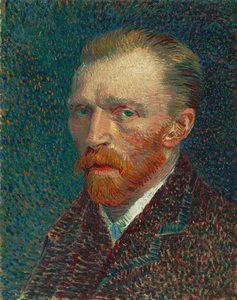
文森特·威廉·梵谷
1853 - 1890 , 荷兰
快速概览
- 全名: 文森特·威廉·梵高
- 出生地点: 赞德尔特,荷兰
- 出生日期: 1853年3月30日
- 去世日期: 1890年7月29日
- 受影响的艺术流派:
- 表现主义
- 野兽派
- 国籍: 荷兰
- 影响艺术家:
- 伦勃朗·凡·莱因
- 让-弗朗索瓦·米勒
- 艺术流派: 后印象主义
- 著名作品:
- 《土豆吃者》
- 《向日葵》
- 《星夜》
- 《夜间咖啡馆》
相关文章

伦勃朗25幅杰作:光影大师的艺术传奇与家居臻选
探索伦勃朗25幅杰作,领略荷兰黄金时代光影大师的艺术传奇!从《夜巡》到自画像,深入了解巴洛克艺术、历史绘画与人物肖像背后的故事。OriginalUniqueArt.com提供高清艺术复制品及家居装饰灵感。立即探索完整系列!

后印象主义十大名作:重塑艺术,点亮生活美学
探索后印象主义的十部杰作,从梵高的星空到高更的塔希提风情。了解艺术大师背后的故事与技法,感受色彩与光线的魅力。OriginalUniqueArt.com为您提供博物馆品质的画作复制和精选家居装饰方案,点亮您的生活美学!
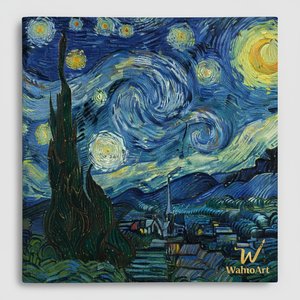
Decoding Van Gogh's Turmoil: OriginalUniqueArt’s Masterful Reproductions of Emotional Depth
Discover exquisite Van Gogh reproductions from OriginalUniqueArt – expert art specialists offering museum-quality prints & custom paintings. Trust our authentic process and elevate your collection today.

光影与灵魂的革命:深度解析印象派与后印象派的艺术魅力与美学演变
探索印象派与后印象派的艺术革命。本文深度解析莫内、梵高、塞尚等大师如何通过光影与色彩重塑现代美学。作为全球领先的艺术品交易平台,OriginalUniqueArt为您呈现博物馆级的纯手工油画复刻,以精湛技艺捕捉名画神韵,为您的私人收藏与高端空间装饰注入永恒的艺术灵魂。
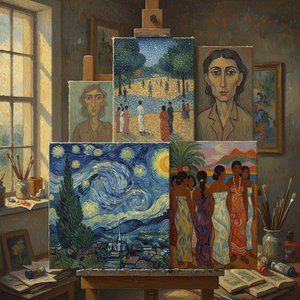
印象主义之外:探索后印象派绘画的情感深度
深入探索后印象派绘画的情感深度,解读塞尚、梵高、高更等大师的艺术创新。OriginalUniqueArt提供专业的艺术史分析与高清作品欣赏,助您领略现代艺术魅力!


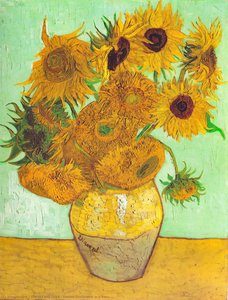


![鸢尾花 [1889]](/media/artworks/images-thumb/ca/85/ca85582a4fd1dc392efef83ec4dc3124.jpg)

