
 实景预览
实景预览
 分享
分享 分享
分享
 详情
详情 指南
指南

 下载作品
下载作品
 相似作品
相似作品 X射线
X射线 幻灯片播放
幻灯片播放 问答
问答 统计数据
统计数据Hands


 展开全文
展开全文
艺术微喷/版画
博物馆级艺术微喷或帆布版画,制作高效,并提供多种饰面选择。 ( 订购纯手工绘制画作 切换至数字图像销售渠道)




P118B ¥10

P118H ¥10

P118W ¥10

P438Z ¥10

P508JH ¥12

P508YH ¥12

P805H ¥10

P805Z ¥10

P919BZ ¥10

P919G ¥10

P919XJ ¥10

P959ZH ¥10

P968JZ ¥12

W106C ¥8

W218G ¥10

W218JH ¥8

W218Y ¥10

W307PJ ¥10

W316G ¥10

W316PJ ¥8

W316Y ¥10

W398PJ ¥8

W4111J ¥10

W500HY ¥15

W500JH ¥15

W692G ¥12

W849H ¥8

W940BG ¥15

W953PJ ¥8




您可以从与原作比例一致的预设尺寸中进行选择。

请输入您所需的宽度和高度,以适配您的画框或墙面。由于印刷品只能进行裁剪,无法超出原图尺寸,因此若比例不一致,画面的一部分将会被裁切。在正式印刷之前,我们会为您发送一份数字效果图供您确认。本页面显示的图片并非最终裁剪后的效果——只有效果图才能展示真实的裁剪情况。


 玻璃选项仅适用于110厘米以下的尺寸。

Hands
艺术微喷/版画
复刻品尺寸
-


最终结算价
¥ 543
A Study in Human Connection: Van Gogh’s “Hands”
Vincent van Gogh's "Hands," created in 1885 during a pivotal period of his artistic development, is far more than a simple depiction of anatomy; it’s a profound exploration of gesture, vulnerability, and the very essence of human interaction. This unassuming pencil drawing, rendered in the stark monochrome palette characteristic of his early work, offers an intimate glimpse into Van Gogh's meticulous observation and burgeoning understanding of form and emotion. The piece resides within a broader series of studies focused on depicting working-class individuals – farmers, laborers, and others whose lives were deeply intertwined with the land – reflecting a growing empathy and social consciousness that would become central to his artistic vision.
The composition is deliberately dynamic, eschewing a traditional focal point in favor of an arrangement where multiple hands—some reaching, grasping, holding—intersect and overlap across the frame. This creates a sense of movement and immediacy, as if capturing a fleeting moment of action or contemplation. The loose, expressive lines, executed with varying degrees of pressure and texture through hatching and cross-hatching, are key to this effect. These aren’t precise renderings; instead, they convey a feeling of urgency and raw energy, mirroring the intensity Van Gogh felt towards his subjects.
The Language of Gesture
Van Gogh's fascination with hands stemmed from their remarkable capacity to communicate – not through words, but through gesture. Each hand in “Hands” embodies a distinct action: a reaching for something unseen, a firm grip suggesting strength or determination, a delicate hold hinting at tenderness and care. These seemingly simple gestures resonate deeply, evoking feelings of connection, interaction, and perhaps even vulnerability. The artist’s deliberate choice to depict hands alone strips away the context of their actions, forcing the viewer to contemplate the inherent significance of these tools for communication.
The drawing's monochromatic palette—ranging from light cream to deep charcoal—contributes significantly to its mood. This lack of color intensifies the focus on form and texture, highlighting the subtle nuances of line weight and shading. The diffused lighting, absent of strong highlights or shadows, creates a sense of flatness that emphasizes the tactile quality of the pencil strokes. It’s as if Van Gogh is inviting us to trace the contours of each hand with our own eyes, experiencing their physicality firsthand.
A Bridge Between Realism and Expression
Stylistically, “Hands” represents a fascinating synthesis of realism and expression. While rooted in careful observation – evident in the accurate depiction of anatomical structure – the loose, expressive lines and dynamic composition betray a growing departure from traditional academic techniques. This approach aligns with Van Gogh’s evolving style, foreshadowing his later, more emotionally charged works. The drawing is reminiscent of his early studies of peasant life, but it possesses a heightened sense of urgency and emotional intensity.
Considering the historical context – 1885, a time when industrialization was rapidly transforming rural landscapes and displacing traditional ways of life – “Hands” can be interpreted as a poignant meditation on human connection in an era of change. It’s a testament to Van Gogh's ability to find beauty and significance in the everyday gestures of ordinary people, capturing a moment of shared humanity that transcends time and circumstance. The drawing serves as a powerful reminder of the enduring importance of human touch and interaction.
Bringing “Hands” Home: A OriginalUniqueArt Reproduction
OriginalUniqueArt offers meticulously crafted hand-painted reproductions of Van Gogh’s “Hands,” allowing you to experience this iconic artwork in stunning detail. Our skilled artists replicate the drawing's unique texture, line quality, and emotional depth with unparalleled accuracy. Available in a range of sizes and framing options, our reproductions are perfect for collectors, art enthusiasts, or anyone seeking to bring a touch of Van Gogh’s genius into their home or office. Explore our collection today and discover the beauty and power of this timeless masterpiece.
艺术家简介
文森特·威廉·梵高的生命历程
1853年3月30日,文森特·威廉·梵高出生于荷兰的赞德特,是西奥多·斯托德斯与安娜·卡本图斯夫妇的六个孩子中的长子。在他出生的一年前,他的哥哥文森特曾不幸夭折。这个家庭生活在布拉班特地区,那里连绵的自然景观与宁静的乡村律动,在文森特早年的生命中留下了深刻的印记。他的弟弟提奥于1857年5月1日出生,两人之间深厚的情感纽带,通过多年来往的无数书信,成为了他生命中永恒的慰藉。
文森特的一生,本质上是一场寻找归属感的漫长旅程。在最终投身于画布之前,他曾尝试过多种人生角色,从在艺术品画廊工作,到担任传教士,每一步都在寻找生命的意义。这条道路充满了艰辛,他曾长期处于深度的孤独与精神挣扎之中,这些阴影始终笼罩着他的创作。他曾穿行于法国南部的灿烂阳光与圣雷米的静谧时光之间,最终,他的生命在法国的奥维尔戛然而止。1890年7月29日,这位年仅37岁的艺术家,因胸部自杀性枪伤而离开了人世。
早年岁月、家庭与艺术启蒙
在布拉班特地区宁静的赞德特村,文森特·威廉·梵高降生于世。他是新教牧师西奥多·范·高赫与安娜·卡本图斯夫妇的次子。他的童年生活深受村庄律动与乡间漫步的影响,那片广袤的田野在潜移默化中塑造了他的早期感知。十一岁那年,他被送往泽芬贝根的一所寄宿学校,那段经历对他而言是艰难且不快乐的。十三岁时,他移居蒂尔堡就读中学,但由于某些至今仍是谜团的原因,他在第二个学年过半时便离开了学校。
他的职业生涯始于叔辈的人脉关系。十六岁时,他进入海牙的 Goupil & Cie 分支机构担任学徒,这一身份让他得以频繁接触各种艺术杰作。1873年,他前往 Goupil & Cie 的伦敦分部工作,并一直停留至1875年5月。随着他于1875年5月调往同一家公司的巴黎分部,他的足迹进一步深入艺术贸易的核心地带。他在巴黎停留直至1876年4月。在这些年里,他与弟弟提奥保持着日益频繁的通信,而提奥当时也在 Goupil & Cie 的业务网络中工作。
寻找生命的意义
在拿起画笔与厚重的油彩之前,他曾经历过一段漫长而迷茫的岁月,试图在广阔的世界中寻得一处立足之地。他穿梭于不同的身份之间,在各种职业中不断试探,试图寻找那个能承载灵魂的归宿。他曾作为艺术品经销商投身于艺术贸易,也曾尝试过教学工作。这些年岁里,他的生命呈现出一种不安的律动,在一种又一种天职之间徘徊,而那份真正指引方向的使命感,却始终显得遥不可及。
在英国期间,他曾担任语言教师和平信徒传教士。这段对宗教的虔诚追求,引领他在1879至1880年的严冬跨越国境,来到了比利时的博里纳热地区。在那里,他以传教士的身份融入民众之中,试图用信仰去服务社区。那是一段充满孤独与挣扎的时光,他不仅要面对周围艰苦的环境,更要承受内心坚定信念带来的沉重压力。
直到27岁那年,他才终于决定将全部的心血倾注于绘画事业。这一抉择是在经历了包括传教士生涯在内的多年职业探索后才最终做出的。尽管起步较晚,他开始拿起艺术的工具,逐渐告别了教师与传教士的身份,最终在艺术家的道路上找到了属于自己的生命定格。
巴黎时期与艺术觉醒
1886年,移居巴黎的经历彻底改变了他观察光影与色彩的方式。这座城市将他带入了印象派与后印象派的艺术浪潮中,使他的创作重心逐渐脱离了早年那种沉重、阴暗的色调。在巴黎的岁月里,他沉浸在对莫奈、雷诺阿和毕沙罗等大师技法的吸收与钻研之中。他的调色盘开始变得明亮起来,曾经在荷兰时期那种忧郁、厚重的土地色调,逐渐让位于一种通过光影律动与笔触笔触来感知世界的新视角。
他在前卫艺术圈中穿梭,结识了如 埃米尔·贝尔纳 和 保罗·高更 等重要人物。这些邂逅并非仅仅是社交层面的往来,更是一场关于如何在平面上重构世界的思想碰撞。他深入研究了日本浮世绘中大胆的轮廓线与平涂色块,这些珍贵的艺术品是他与弟弟提奥共同收藏的。这一时期见证了他技法上的飞速蜕变,他的笔触变得愈发自由奔放,色彩表达也更加直接而富有冲击力。
阿尔勒的创作爆发期
1888年移居阿尔勒的经历,为文森特·梵高的艺术生涯带来了光影的剧变。南法炽热的阳光仿佛点燃了他的调色盘,开启了一段高产且狂热的创作时期。他开始运用厚涂技法(impasto),将颜料厚重地堆砌在画布上,创造出一种富有肌理感的表面,使画面呈现出近乎雕塑般的立体视觉效果。正是在这段时期,他创作了多幅著名的向日葵系列,描绘了花卉在瓶中的生命律动,同时也对夜间咖啡馆进行了深刻的写生研究。色彩在此时变得愈发浓郁饱和,彻底告别了早期作品中那些沉郁的色调。
怀揣着对艺术协作的渴望,他试图在阿尔勒建立一个艺术家乌托邦,并邀请保罗·高更加入他的理想国。然而,这段合作时光却充满了紧张的张力。两位艺术家之间爆发了激烈的冲突,最终导致文森特·梵高割去了自己的耳朵。这一悲剧性的事件不仅标志着他精神状态的转折,也预示着他即将进入长期的住院治疗时期。
在圣雷米与奥维尔的最后岁月
在离开阿尔勒之后,文森特·梵高进入了圣雷米的疗养院。在这段时期,他的目光转向了周遭的自然景观,试图在如 《星夜》 般的杰作中,捕捉天空与大地律动着的生命力。画作中的笔触带着一种节奏感极强的旋涡状能量,仿佛是他从窗外观察到的环境在画布上的情感投射。他依然保持着惊人的创作产量,在画布上将周围环境的紧张感与不安感转化为永恒的艺术语言。
最终,他移居到了奥维尔,在 保罗·加歇医生 的照料下生活。这段时光见证了他对法国乡村光影与田野的持续探索,试图在色彩中寻找宁静。然而,他内心的挣扎从未平息。1890年7月29日,年仅37岁的文森特·梵高在法国奥维尔因胸部枪伤自杀身亡,为他波澜壮阔的一生画上了悲剧性的句点。
技法与艺术风格
画布上的颜料往往呈现出厚重且具有立体感的堆叠。这种厚涂技法(impasto technique)意味着笔触不再仅仅是色彩的痕迹,而是能够捕捉光影的物理层次。他在涂抹油彩时带着一种迫切感,创造出一种仿佛在不安中跳动的纹理表面。这些笔触往往是即兴且充满戏剧性的,它们追随主体运动的律动,而非遵循素描中严谨的线条。他并不追求对世界进行摄影式的写实还原;相反,他利用色彩与形式来传达一种主观的体验,将情感的强度置于场景的客观现实之上。
随着创作方法的演变,他的色调也发生了蜕变。他逐渐告别了早期那种沉郁、大地色系的基调,转向对大胆且高饱和度色彩的运用。这在一定程度上源于他对日本浮世绘(如广重作品)的浓厚兴趣。从这些版画中,他学习了如何使用平涂的色块以及独特的构图裁剪方式。同时,他也采纳了大胆的轮廓线和非传统的透视法。这种影响促使他的风格走向了一种全新的境界:色彩不再仅仅是为了描绘自然光下的景观,更是为了表达内在的精神状态。
传世杰作与艺术巅峰
1885年,文森特·梵高沉浸在荷兰乡村那沉重而阴郁的色调中,创作出了《吃土豆的人》。画中的颜料厚重而凝练,精准地捕捉到了陶器粗糙的质感,以及围坐在桌旁的人们那疲惫不堪的面容。这是一场关于大地与阴影的深刻研习,光线在昏暗的房间中显得挣扎而微弱。这一时期的作品展现了一位艺术家对体力劳动艰辛生活的近距离凝视,他运用沉郁的色调,无声地诉说着劳动阶层那充满韧性的生活底色。
随着他向南迁徙,光影的律动发生了剧变。1888年,他的创作重心转向了著名的《向日葵》系列,为了装饰阿尔勒的一间房间,他创作了多个版本。这些画布采用了极具表现力的厚涂技法,颜料被堆叠得如此厚实,以至于在画布上形成了独特的物理浮雕感。那明亮而直接的黄色,以一种富有节奏感的生命力挥洒在画布上,仿佛花瓣仍在微微颤动。这是一个色彩爆发的时代,他彻底告别了早期作品中那些沉闷的棕褐色调,拥抱了生命的绚烂。
到了1889年,他的笔触呈现出一种旋涡般、躁动不安的特质。《星夜》通过深邃的蓝色与脉动着的黄色,展现了这种永恒的律动,创造出一个仿佛拥有生命的、在不断运动的天空。随后在1890年,他创作了《奥维尔的教堂》,在广阔无垠的天空下捕捉着村庄的建筑轮廓。他的晚期作品往往是周围景观的灵魂写照,无论是连绵的麦田,还是村庄静谧的角落,始终伴随着那种肉眼可见、厚重而充满力量的油彩笔触。
- 《吃土豆的人》(1885)
- 《向日葵》系列 (1888)
- 《星夜》(1889)
- 《奥维尔的教堂》(1890)
遗产与持久的影响
文森特·梵高的影响力在20世纪初逐渐显现出其沉甸甸的分量。他处理色彩与形式的方式,为表现主义开辟了一条通往新世界的道路,使艺术逐渐摆脱了仅仅作为物理世界镜像的束缚。相反,创作的重心转向了内在精神,画布不再仅仅是客观视角的再现,而是成为了传达情感、表达内心感受的媒介。这种范式的转变彻底改变了许多艺术家的创作逻辑,使个体的主观体验成为了艺术表达的核心。
我们今日所熟知的关于他的艺术成就,很大程度上归功于约瑟芬·梵高-邦格(Johanna van Gogh-Bonger)不懈的努力。在他逝世后,她致力于确保他的画作能够被世人看见并被深刻理解。她不仅妥善管理了他的遗产,还积极推广他的艺术,帮助他的名声跨越了生前那狭小的社交圈层,走向了更广阔的世界。若没有她的坚持,他那极其丰富的创作成果或许会一直湮没在私人收藏中,或是被掩盖在他个人挣扎的阴影之下。
在公众记忆中,他常被塑造成一个悲剧性的符号,一个被精神疾病与贫困所缠绕的灵魂。这种认知已成为他历史的一部分,有时甚至掩盖了他对画布所倾注的精湛技法与严谨自律。他的故事始终交织在他个人的痛苦挣扎与油彩中那股强烈、律动的生命能量之间。在艺术史上,文森特·梵高的存在正是由这种充满张力的交汇所定义的——一种在苦难的生命历程中迸发出的、具有变革意义的丰沛创作。
今日何处寻觅他的笔触
若想亲眼见证那些充满生命力的笔触痕迹,观者可以前往几处特定的艺术殿堂。位于奥特洛的 克勒勒-米勒博物馆 拥有他最为丰富的作品收藏,馆内珍藏着 143 件杰作。紧随其后的是阿姆斯特丹的 梵高博物馆,那里收藏有 100 幅作品。通过这些珍贵的馆藏,我们可以近距离地观察他的艺术风格是如何演变的——从早年间那沉郁、厚重的色调,逐渐蜕变为晚年时期那充满张力、如雕塑般厚实的厚涂技法。
此外,文森特·梵高的许多重要画作也散落在世界各大知名博物馆之中。巴黎的 奥赛博物馆 收藏有 22 件作品。在大西洋的另一端,纽约的 大都会艺术博物馆 则珍藏着 15 件珍品。这些不同的收藏地为我们提供了多维度的视角,让我们得以跨越时空,从他早期对农民生活的质朴描绘,一直追溯到他生命最后阶段那如旋涡般壮丽的星空。
- 《吃土豆的人》(1885)
- 《向日葵》(1888)
- 《星夜》(1889)
- 《奥维尔的教堂》(1890)
- 《麦田里的乌鸦》(1890)
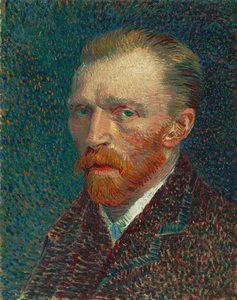
文森特·梵高
1853 - 1890 , 荷兰
艺术家简介
- 全名: 文森特·威廉·梵高
- 出生地点: 赞德尔特,荷兰
- 出生日期: 1853年3月30日
- 去世日期: 1890年7月29日
- 受影响的艺术流派:
- 表现主义
- 野兽派
- 国籍: 荷兰
- 影响艺术家:
- 伦勃朗·凡·莱因
- 让-弗朗索瓦·米勒
- 艺术流派: 后印象主义
- 著名作品:
- 《土豆吃者》
- 《向日葵》
- 《星夜》
- 《夜间咖啡馆》
相关文章

伦勃朗25幅杰作:光影大师的艺术传奇与家居臻选
探索伦勃朗25幅杰作,领略荷兰黄金时代光影大师的艺术传奇!从《夜巡》到自画像,深入了解巴洛克艺术、历史绘画与人物肖像背后的故事。OriginalUniqueArt.com提供高清艺术复制品及家居装饰灵感。立即探索完整系列!

The Nuances of Graphite: Exploring Emotional Depth & Technical Mastery in Pencil Drawing
Explore the captivating world of graphite drawing! Discover its rich history, master essential techniques like chiaroscuro, and learn how artists evoke emotion through this timeless medium. Expert insights for art enthusiasts.

Decoding Impasto: The Emotional Power of Van Gogh's Textured Brushstrokes
Explore the visceral beauty of Van Gogh's impasto technique. Discover how his thick, textured brushstrokes transform canvas into an emotional landscape, and learn how to bring this tactile masterpiece into your home with premium, hand-painted reproductions.
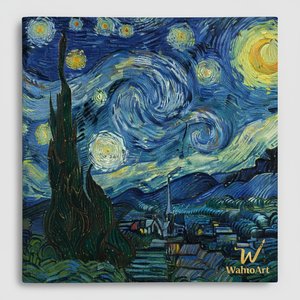
Decoding Van Gogh's Turmoil: OriginalUniqueArt’s Masterful Reproductions of Emotional Depth
Discover exquisite Van Gogh reproductions from OriginalUniqueArt – expert art specialists offering museum-quality prints & custom paintings. Trust our authentic process and elevate your collection today.

The Alchemy of Graphite: An Expert Guide to Mastering Detail and Depth in Pencil Sketching
Unlock the secrets of graphite sketching with our expert guide for art students. Learn to master pencil grades, create realistic depth, and capture intricate textures through professional techniques designed to elevate your observational drawing skills.


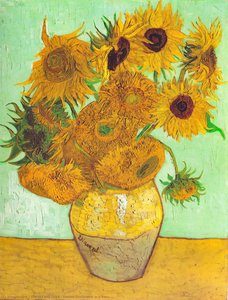


![鸢尾花 [1889]](/media/artworks/images-thumb/ca/85/ca85582a4fd1dc392efef83ec4dc3124.jpg)

