
 效果预览
效果预览
 分享
分享 分享
分享
 详情
详情

 下载
下载
 相似作品
相似作品 X射线
X射线 幻灯片播放
幻灯片播放 统计数据
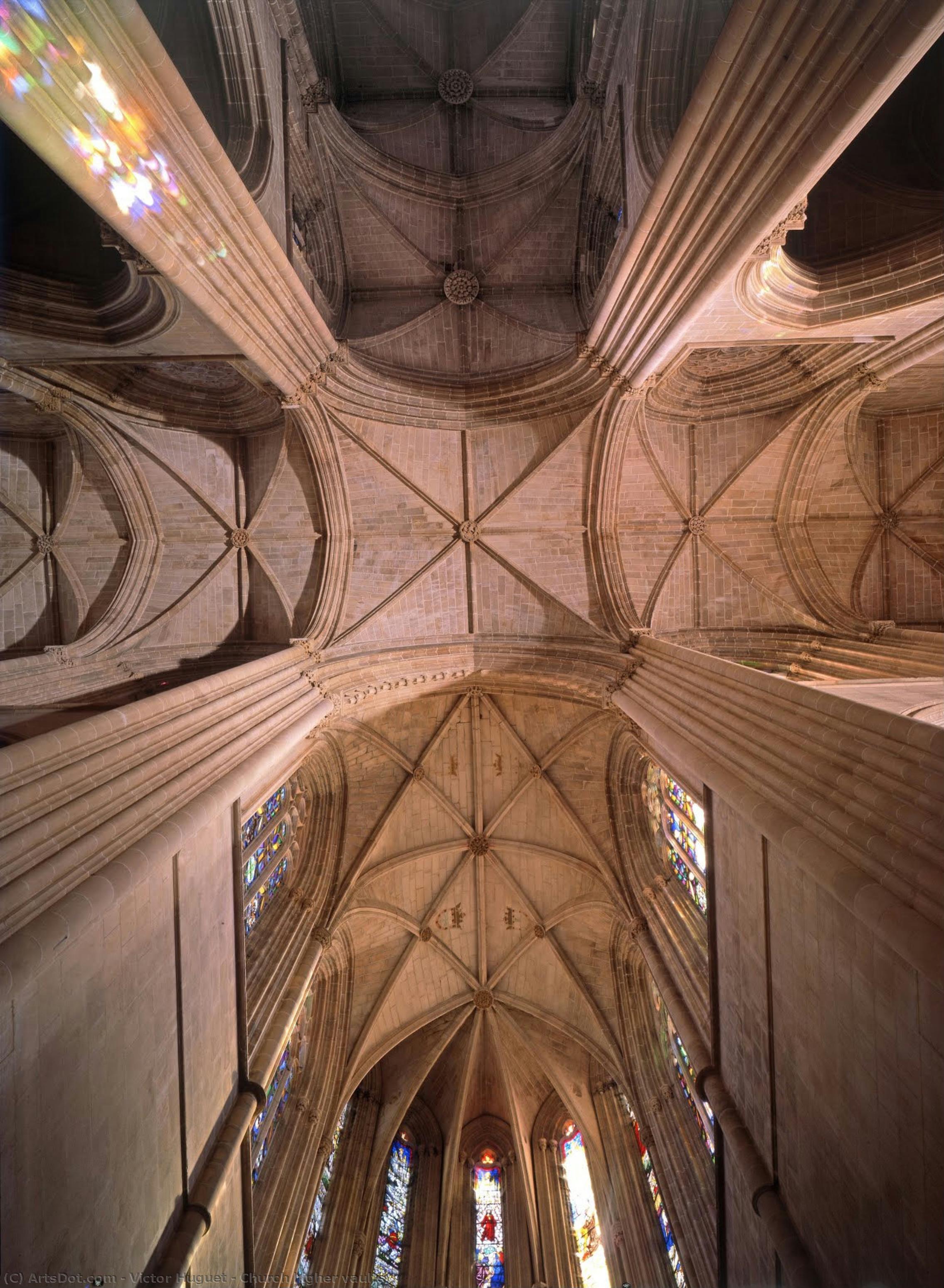
统计数据Church higher vaults


 展开详情
展开详情
手工油画复制品
由我们的艺术家按需定制,为您提供您所选尺寸及画框的布面手工油画。 ( 切换至版画销售渠道 切换至数字图像销售渠道)




































从与原作比例一致的预设尺寸中进行选择。

您可以输入自定义尺寸,以适配特定的画框或空间。如果所选尺寸与原图比例不符,我们将通过裁剪作品或添加手绘元素来扩展画面。数字样稿将在制作开始前发送给您确认。
请注意,屏幕预览无法准确反映实际的裁剪或扩展效果,只有样稿才能真实呈现最终的构图。
虽然我们提供定制尺寸服务,但为了保留原作比例,建议您从预设列表中选择尺寸。
下单后,OriginalUniqueArt.com 团队将通过电子邮件联系客户获取具体要求,并提供效果预览图。


 玻璃选项仅适用于110厘米以下的尺寸。

Church higher vaults
复制材质
复制品尺寸
-


最终总价
$ 300
艺术家简介
The Visionary of Light and Stone: The Life of Victor Huguet
Victor Pierre Huguet, a name that resonates with the quiet majesty of a cathedral’s shadow and the vibrant warmth of an Egyptian sun, was a master of the French Orientalist tradition. Born on May 1, 1835, in the historic town of Le Lude, Huguet’s life unfolded against the backdrop of a France undergoing profound metamorphosis. From the industrial pulse of his early years to the political shifts of the Second French Empire and the Third Republic, his existence was inextricably linked to the changing tides of European history. He was not merely a chronicler of landscapes but a painter who sought to capture the very soul of the places he visited, bridging the gap between the rigorous classical traditions of his training and the burgeoning experimental spirit of modern art.
His artistic foundation was laid in the vibrant atmosphere of Lyon, where the early influences of local masters instilled in him a deep respect for craftsmanship. This period of formative education provided the technical scaffolding upon which he would later build his complex narratives. His journey took him to the École supérieure des beaux-arts de Marseille, where he studied under Émile Loubon. It was here that Huguet began to master the art of landscape painting, learning to capture the grandeur of mountainous vistas and the delicate serenity of rural life with a precision that hinted at his future greatness. This early mastery of light and form would become the hallmark of his later, more exotic explorations.
A Journey Through the Orient and the Crimean Shadows
The true awakening of Huguet’s creative spirit occurred far from the familiar landscapes of France. In 1852, a pivotal voyage to Egypt irrevocably altered his artistic trajectory, introducing him to a world of dazzling light, ancient textures, and cultures that stood in stark contrast to the European tradition. This expedition was not a solitary endeavor; accompanied by Jean-Baptiste Henri Durand-Brager, he witnessed the unfolding drama of the Crimean War through a painterly lens. These experiences infused his work with an ethnographic depth, allowing him to depict the Middle East and North Africa not as mere exotic backdrops, but as living, breathing entities rich with history and dignity.
Upon returning to Paris, Huguet sought further refinement under the legendary Orientalist Eugène Fromentin. This mentorship was crucial, as it allowed him to absorb the nuances of Realism while maintaining a profound sensitivity to emotional expression. By 1859, his talent had earned him simultaneous debuts at the Salon in Marseille and the prestigious Paris Salon, marking his arrival as a significant figure in the art world. His ability to blend the meticulous detail of architectural studies with the atmospheric allure of Eastern scenes created a unique stylistic signature that captivated audiences across Europe.
The Architecture of Devotion and Historical Legacy
Huguet’s oeuvre is characterized by an extraordinary duality: the ability to render the heavy, enduring permanence of stone alongside the ephemeral dance of light. His works often focus on the threshold between the mundane and the sacred. In masterpieces such as West portal of the church, he invites the viewer to stand before a Gothic-inspired archway where every carved archivolt and sculpted figure tells a story of ancient devotion. He possessed a rare gift for making stone appear to breathe, using a sophisticated interplay of light and shadow to create a sense of three-dimensional depth that draws the observer into the hallowed silence of the cathedral interior.
Beyond his architectural studies, Huguet’s legacy is found in his profound respect for the cultural tapestries of the East. Whether depicting the heraldic grandeur of royal coats of arms or the quiet moments of life outside a mosque, his work remains a testament to his insatiable curiosity and empathetic vision. His contributions to the Orientalist movement helped define an era of exploration through art, leaving behind a collection of works that serve as windows into both the physical landscapes and the spiritual essences of a bygone age. Today, his paintings remain vital links to the 19th-century imagination, reminding us of a time when the brush was a primary tool for discovering the unknown.

艺术家简介
- Artistic Movement Or Style: Orientalism
- Artists Or Movements Influenced By This Artist: ['Romanticism']
- Artists Who Influenced This Artist:
- Eugène Fromentin
- Émile Loubon
- Date Of Birth: May 1, 1835
- Date Of Death: August 16, 1902
- Full Name: Victor Pierre Huguet
- Nationality: French
- Notable Artworks:
- The Noble Ravine
- Arabs Outside the Mosque
- Place Of Birth: Le Lude, France