 实景预览
实景预览
 切换至版画销售渠道
 分享
分享 分享
分享
 详情
详情 指南
指南

 下载作品
下载作品
 相似作品
相似作品 X射线
X射线 幻灯片播放
幻灯片播放 Q&A
Q&A 统计数据
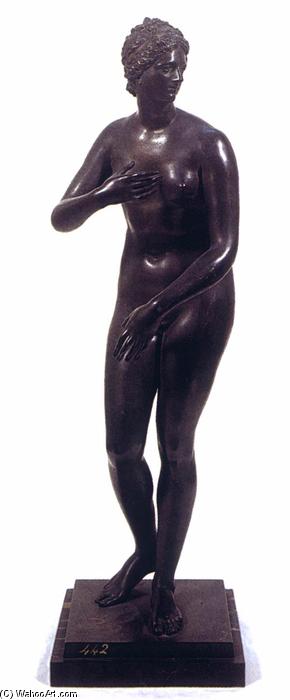
统计数据Venus


 展开全文
展开全文
获取远超网页预览效果的印刷级文件。我们销售的每一张数字图像均源自库存数据库中的高分辨率母版——宽度通常在 5,000 至 15,000 像素之间——因此您可以放心地进行大幅打印、局部裁剪或还原细腻的细节。
每一件作品在离开我们的工作室前都经过了精心的处理。数字影像专家会对照原作核对色彩,并在必要时进行校正,随后利用专业修图工具提升清晰度与细节表现——且始终忠实于艺术家的笔触与风格。最终呈现的图像宛如原作本身,而非仅仅是一张加了滤镜的扫描件。
您可以在最终定稿前进行审核:我们的专家将在 72 小时内通过电子邮件向您发送图像以供审阅。如果不满意?您可以要求改进或修正;若质量未达预期,亦可申请退款。
这也是出版商、设计工作室、画廊及印刷厂所信赖的品质。
每份数字图像订单均包含的内容
专业级数字交付,品质保障
选择 OriginalUniqueArt.com,您获得的不仅仅是一张图像——您收到的是经过专业级增强、精雕细琢的数字艺术作品,并享有满意保证。以下是您的订单中自动包含的所有内容:

邮件即时送达
您的高分辨率数字图像文件将在下单后 72 小时内通过电子邮件发送给您 —— 即可立即使用。

AI 增强型数字文件
您的艺术品经过专业优化,结合先进的 AI 技术与人工修饰,确保呈现极致的细节、清晰度与色彩准确度。

终身免费重发服务
不小心删除了文件或找不到了?没关系——我们将随时为您免费重发。

无需进口税费,始终如一
即刻拥有您的艺术作品,无需支付任何关税、税费或运费——数字下载始终免税。

色彩精准保障
我们通过专业工具与色彩管理技术,确保您的数字图像尽可能真实地还原原作色彩。

100天满意保证
如果您对所购数字图像不满意,我们将在100天内为您进行修改或提供100%的全额退款——无需任何理由。

100% 退款保证
不满意?在收到数字文件后的100天内,您可以申请全额退款——无需任何理由。

批量订购优惠
购买 3 张享 10% 折扣 - 购买 5 张享 15% 折扣 - 购买 10 张以上享 20% 折扣。非常适合创意项目、画廊及机构使用。
艺术家简介
A Sculptor of Whimsy: The Life and Art of Valerio Cioli
Valerio Cioli, a name perhaps less celebrated than his Renaissance contemporaries yet profoundly influential in the development of Florentine sculpture, flourished during the latter half of the 16th century. Born in Florence in 1529 and passing away in 1599, Cioli’s career unfolded against a backdrop of artistic innovation and the powerful patronage of the Medici court. While details regarding his early training remain somewhat elusive, it is understood he immersed himself in the sculptural traditions of the city, absorbing the lessons of masters like Michelangelo – though his path would diverge significantly from the High Renaissance ideals of classical perfection. Cioli’s art wasn't about imposing grandeur; it was about playful observation, a touch of irony, and an embrace of the unconventional. He often worked collaboratively with his brother Giovanni Simone Cioli, making disentangling individual contributions to certain projects a challenge for modern scholars. However, Valerio’s distinctive style – characterized by dynamic movement, expressive faces, and a penchant for depicting everyday life – consistently shines through.The Boboli Gardens: A Stage for Cioli's Imagination
Cioli’s enduring legacy is inextricably linked to the Giardino di Boboli, the magnificent Florentine garden commissioned by Cosimo I de’ Medici. It was within this expansive landscape that he created some of his most iconic works, transforming the space into a veritable theater of sculpture. The centerpiece, and arguably his masterpiece, is the Fontana del Bacchino (1560). This fountain isn't merely decorative; it’s a witty commentary on court life. It depicts Pietro Barbino, a dwarf in Cosimo I’s service, ironically nicknamed Morgante – after the giant from Luigi Pulci’s epic poem – portrayed nude and reclining upon a tortoise as a drunken Bacchus. The sculpture is a fascinating blend of humor and social observation, capturing both the absurdity and the vulnerability of its subject. The fountain's playful spirit, far removed from the solemnity of earlier Renaissance fountains, established Cioli’s reputation for whimsical baroque themes. Further enriching the Boboli Gardens are two additional sculptures attributed to Valerio (in collaboration with his brother): Uomo che vanga (Digging Man) and Uomo che scarica il secchio in un tino (Man Emptying a Bucket into a Vat). These figures, depicting laborers engaged in simple tasks, represent an early interest in portraying the lives of ordinary people – a departure from the traditional focus on mythological or religious subjects.Beyond Boboli: A Diverse Oeuvre
While the Boboli Gardens remain central to his fame, Cioli’s artistic output extended beyond these commissioned works. He demonstrated versatility and skill in various sculptural mediums and styles. A notable example is his Satyr with a Flask, now housed in the Museo del Bargello. This sculpture showcases his ability to render anatomical detail and imbue classical motifs with a sense of lively energy. Perhaps one of his most significant, though less frequently discussed, achievements was his contribution to the tomb of Michelangelo Buonarroti in the Basilica di Santa Croce. Cioli sculpted personifications of Painting, Sculpture, and Architecture – allegorical figures intended to honor the multifaceted genius of the Renaissance master. This commission underscores the esteem in which Cioli was held by his contemporaries; he was entrusted with a task of immense symbolic importance, paying tribute to one of history’s greatest artists. He also collaborated with Giovanni Vincenzo Casali on the statue of San Giovanni Evangelista for the Chapel of San Luca in the Annunziata, further demonstrating his collaborative spirit and willingness to engage in large-scale projects.Influences and Artistic Development
Cioli’s artistic development was shaped by a complex interplay of influences. The legacy of Michelangelo is undeniable – evident in his understanding of anatomy and dynamic composition. However, he consciously moved away from the High Renaissance emphasis on idealized forms, embracing instead a more naturalistic and expressive style. The Mannerist movement, with its elongated figures and dramatic poses, also left its mark on his work. But what truly sets Cioli apart is his unique ability to infuse his sculptures with humor, irony, and a sense of playful observation. He wasn’t simply replicating classical models or adhering to established conventions; he was creating something new – a distinctly baroque sensibility that anticipated the artistic trends of the 17th century. His fascination with everyday life, as evidenced in the Boboli sculptures depicting laborers, reflects a growing interest in realism and social commentary during the Renaissance period.Historical Significance and Lasting Legacy
Valerio Cioli’s historical significance lies not in revolutionizing sculpture but in subtly shifting its direction. He bridged the gap between the High Renaissance and the Baroque, paving the way for artists who would embrace dynamism, emotion, and theatricality. His work challenged traditional notions of beauty and decorum, introducing a new level of wit and irony into Florentine art. The Fontana del Bacchino, in particular, remains a powerful symbol of Medici patronage and the complex social dynamics of the Renaissance court. While often overshadowed by more celebrated figures, Cioli’s sculptures continue to captivate audiences with their playful spirit, expressive faces, and enduring charm. He stands as a testament to the power of observation, the importance of individuality, and the enduring appeal of art that dares to be both beautiful and thought-provoking.
Valerio Cioli
1529 - 1599
基本信息
- Full Name: Valerio Cioli
- Nationality: Italian
- Date Of Birth: 1529
- Date Of Death: 1599
- Place Of Birth: Settignano
- Notable Artworks:
- Fontana del Bacchino
- Uomo che vanga
- Satyr with a flask
- Artistic Movement Or Style: Baroque
- Artists Who Influenced This Artist: ['Michelangelo Buonarroti']
- Artists Or Movements Influenced By This Artist: ['Giovanni Simone Cioli']