

 实景预览
实景预览
 发送
发送 分享
分享
 详情
详情 指南
指南

 下载图片
下载图片
 相似作品
相似作品 X射线
X射线 幻灯片播放
幻灯片播放 统计数据
统计数据Family Portrait


 阅读全文
阅读全文
艺术微喷/版画
博物馆级艺术微喷或帆布版画,制作高效,并提供多种饰面选择。 ( 订购此收藏品的纯手工复刻画作 切换至数字图像销售渠道)




































您可以从与原作比例一致的预设尺寸中进行选择。

您可以输入自定义尺寸,以适配特定的画框或空间。如果您选择的尺寸与原图比例不符,我们将对作品进行裁剪,或通过镜像填充/纯色填充边缘的方式来扩展图像。在开始制作之前,我们会向您发送一份数字效果图供您确认。
请注意,屏幕上的预览并不能反映实际的裁剪或扩展效果。只有效果图才能准确展示最终的构图。
虽然我们提供定制尺寸,但为了保持原图比例,我们建议您从预设列表中选择尺寸。


 玻璃选项仅适用于110厘米以下的尺寸。

Family Portrait
艺术微喷/版画
复刻品尺寸说明
-


总计金额
$ 80
艺术家简介
Edward Burne-Jones: A Dreamer of Romantic Visions
Edward Burne-Jones (1833–1898) stands as a pivotal figure in the late 19th-century art world, a master of evocative imagery and a key architect of the Pre-Raphaelite movement’s mature aesthetic. Born in Birmingham, England, his artistic journey was less a linear progression through formal training and more a passionate immersion into the realms of myth, legend, and classical beauty—a pursuit largely self-directed yet profoundly shaped by the influential figures who guided him early on. Burne-Jones wasn't merely a painter; he was a designer, a storyteller, and ultimately, a weaver of dreams onto canvas. His work resonated with a yearning for an idealized past, a world steeped in romance and imbued with a sense of timelessness that captivated audiences and continues to enthrall viewers today.Early Influences and Artistic Foundations
Burne-Jones’s initial path toward art was initially rooted in the religious—he intended to become a clergyman at Oxford University. However, his burgeoning artistic sensibilities were quickly ignited by encounters with William Morris and Dante Gabriel Rossetti. Morris, a fellow student and a leading figure in the Arts and Crafts movement, introduced Burne-Jones to the principles of craftsmanship and the beauty of medieval design. Rossetti, on the other hand, provided crucial instruction in painting techniques and fostered an appreciation for the Pre-Raphaelite emphasis on vibrant color, meticulous detail, and a rejection of academic conventions. Crucially, Burne-Jones’s artistic eye was drawn to the classical world—particularly Botticelli—whose elongated figures and graceful compositions served as a foundational model for his own style. Unlike Rossetti's focus on Victorian sensuality, Burne-Jones favored a more restrained, almost ethereal beauty, often drawing inspiration from medieval romances and Arthurian legends. He famously declared that he aimed to create “a beautiful romantic dream,” a vision of something never truly existing but perpetually desired—a sentiment deeply embedded in his artistic practice.A Style Defined by Myth and Majesty
Burne-Jones’s distinctive style is immediately recognizable through its rich, saturated colors, meticulously rendered details, and a tendency towards monumental scale. His subjects frequently revolved around classical mythology, medieval legends, and the chivalric romances of the Middle Ages—particularly those centered on King Arthur. Works like *The Lady of Shalott* (1888) exemplify this aesthetic perfectly: a haunting depiction of the tragic Isolde, trapped within her tower weaving tapestries that mirror her fate, rendered in a palette of deep blues and greens against a backdrop of shimmering light. Similarly, *St George and the Dragon* (1876-77) showcases his ability to imbue even the most dramatic narratives with an almost dreamlike quality. His compositions often feature figures arranged within frieze-like arrangements, creating a sense of timelessness and grandeur. Burne-Jones deliberately avoided the fleeting effects of Impressionism, preferring instead to create stable, enduring images that captured a specific mood or atmosphere rather than a momentary impression.Design and Decoration: Beyond the Canvas
Burne-Jones’s artistic talents extended far beyond painting; he was a highly sought-after designer for the Arts and Crafts movement. He collaborated extensively with William Morris, contributing to the design of stained glass windows, tapestries, furniture, and book illustrations for Kelmscott Press publications. These decorative works demonstrate his mastery of pattern, color, and texture—skills honed through years of meticulous observation and a deep appreciation for craftsmanship. His designs were characterized by their intricate detail, rich symbolism, and a commitment to reviving traditional motifs and techniques. The influence of Burne-Jones’s work can be seen throughout the Arts and Crafts movement, shaping the aesthetic sensibilities of a generation of designers and artisans.Legacy and Recognition
Despite initial acclaim, Burne-Jones's reputation experienced a period of decline after his death in 1898. Some critics dismissed his work as overly sentimental or “morbid,” while others found it lacking the dynamism of contemporary artistic trends. However, beginning in the 1960s, a renewed appreciation for his unique vision and technical skill led to a significant revival of interest in his art. Today, Burne-Jones is recognized as one of the most important figures in Pre-Raphaelite painting—a master of romantic imagery who continues to inspire artists and captivate audiences with his evocative visions of myth, legend, and timeless beauty. His works are prominently displayed in museums around the world, including the City Art Gallery in Birmingham, where a significant collection remains testament to his enduring legacy.
valeriano domínguez bécquer
1833 - 1870 , Spain
快速概览
- Artistic Movement Or Style: Painting
- Artists Who Influenced This Artist: ['Jean-Baptiste Regnault],\n "Artists or movements influenced by this artist": ["First Empire"]\n}']
- Date Of Birth: 13 March 1774
- Date Of Death: 6 July 1833
- Full Name: Pierre-Narcisse Guérin
- Nationality: French
- Notable Artworks:
- Return of Marcus Sextus
- Phaedra and Hippolytus
- Andromache and Pyrrhus
- Aurora and Cephalus
- Place Of Birth: Paris, France
相关文章

Francisco de Zurbarán: Mysticism, Realism & the Golden Age of Spanish Painting
Explore the captivating world of Francisco de Zurbarán, a master of Spanish Baroque painting. Discover his dramatic tenebrism, religious masterpieces like 'La Porciúncula,' and lasting influence on art history.

The Enduring Legacy of Family Portraiture: A Historical & Artistic Exploration
Explore the rich history of family portraiture with OriginalUniqueArt. Discover artistic styles, symbolism & collecting insights. Commission a custom oil painting or appraise your existing artwork today!
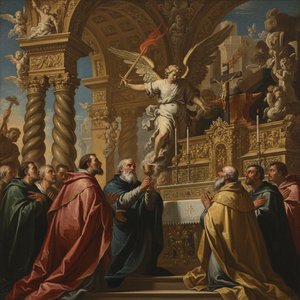
西班牙巴洛克艺术:信仰、戏剧与黄金时代的重塑
深入探索西班牙巴洛克艺术的辉煌时代!从反宗教改革到鲁本斯、维米尔等大师的作品,解读信仰、戏剧与黄金时代的重塑。OriginalUniqueArt.com提供精美油画复制和专业艺术咨询。
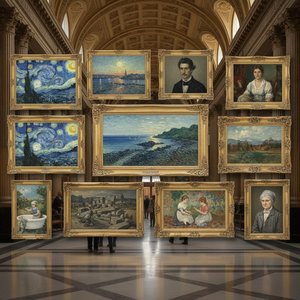
19th Century Masterpieces: 10 Paintings That Defined an Era | OriginalUniqueArt
Journey through 19th century art with OriginalUniqueArt! Explore 10 iconic paintings – from Monet & Renoir to Courbet – and discover the stories behind Romanticism, Realism & Impressionism. Find museum-quality reproductions for your home decor. Explore the full collection online!

Evolving Portraits: Personalized Art as a Chronicle of Family Life Across Generations
Create a timeless family legacy with custom portraits! OriginalUniqueArt connects you with skilled artists for heirloom-quality paintings & prints. Explore styles, commission your unique artwork today.