
 实景预览
实景预览
 分享
分享 分享
分享
 详情
详情 指南
指南

 下载作品
下载作品
 相似作品
相似作品 X射线
X射线 幻灯片播放
幻灯片播放 Q&A
Q&A 统计数据
统计数据The Sixth Month (Right)

- 36.0 x 25.0 cm


 展开全文
展开全文
艺术微喷/版画
博物馆级艺术微喷或帆布版画,制作高效,并提供多种饰面选择。 ( 订购纯手工绘制画作 切换至数字图像销售渠道)




P118B ¥10

P118H ¥10

P118W ¥10

P438Z ¥10

P508JH ¥12

P508YH ¥12

P805H ¥10

P805Z ¥10

P919BZ ¥10

P919G ¥10

P919XJ ¥10

P959ZH ¥10

P968JZ ¥12

W106C ¥8

W218G ¥10

W218JH ¥8

W218Y ¥10

W307PJ ¥10

W316G ¥10

W316PJ ¥8

W316Y ¥10

W398PJ ¥8

W4111J ¥10

W500HY ¥15

W500JH ¥15

W692G ¥12

W849H ¥8

W940BG ¥15

W953PJ ¥8




您可以从与原作比例一致的预设尺寸中进行选择。

请输入您所需的宽度和高度,以适配您的画框或墙面。由于印刷品只能进行裁剪,无法超出原图尺寸,因此若比例不一致,画面的一部分将会被裁切。在正式印刷之前,我们会为您发送一份数字效果图供您确认。本页面显示的图片并非最终裁剪后的效果——只有效果图才能展示真实的裁剪情况。


 玻璃选项仅适用于110厘米以下的尺寸。

The Sixth Month (Right)
艺术微喷/版画
复刻品尺寸
-


最终结算价
¥ 537
A Moment Frozen in Autumn’s Embrace: Unpacking “The Sixth Month (Right)”
Utagawa Kuniyoshi's "The Sixth Month (Right)" isn’t merely a depiction of a scene; it’s a carefully constructed tableau brimming with seasonal symbolism, narrative suggestion, and the quiet elegance characteristic of the ukiyo-e style. Completed in 1849 during the late Edo period, this woodblock print transcends a simple representation of autumn to become a poignant meditation on impermanence, beauty, and the fleeting nature of time itself. The image immediately draws the eye to a woman, dressed in rich silks and adorned with an elaborate fan, positioned centrally within a meticulously rendered landscape. Her posture exudes grace and composure, yet there’s a subtle melancholy that hints at a deeper story – perhaps a farewell, or a quiet contemplation.
- The Setting: The backdrop is a quintessential Japanese autumn scene—lanterns casting a warm glow on a meticulously detailed garden, framed by the silhouettes of trees ablaze with autumnal hues. This isn’t a dramatic, tempestuous landscape; rather, it's a serene and controlled environment, reflecting an underlying sense of harmony and balance.
- The Figures: The central woman is flanked by two attendants, one kneeling in respectful attendance, presenting a ceremonial offering – likely a seasonal fruit or flower. A second figure stands behind her, partially obscured, adding to the air of mystery and suggesting a narrative unfolding beyond what’s immediately visible.
- Symbolism: The “Sixth Month” itself holds significance in Japanese culture, traditionally associated with harvest festivals and the contemplation of mortality. The presence of lanterns symbolizes illumination and guidance, while the autumnal colors evoke themes of transience and beauty intertwined with sadness.
The Artistry of Utagawa Kuniyoshi: A Master of Narrative Detail
Kuniyoshi was a pivotal figure in ukiyo-e, renowned for his ability to seamlessly blend traditional Japanese motifs with Western artistic influences – particularly the use of perspective and light. His training under Toyokuni I instilled in him a rigorous understanding of composition and technique, but Kuniyoshi quickly developed a distinctive style characterized by dynamic movement, dramatic lighting effects, and an almost theatrical quality. “The Sixth Month (Right)” exemplifies this perfectly; observe how he uses subtle gradations of color to create depth and volume, and the careful attention paid to detail in rendering the textures of silk, wood, and foliage.
Technique: As a woodblock print, the image was created through a complex process involving multiple blocks carved with different colors. Kuniyoshi’s masterful control over these blocks allowed him to achieve an astonishing level of detail and richness in his palette – from the deep reds and browns of the autumn leaves to the delicate blues and greens of the woman's attire. The layering of colors, achieved through careful registration during printing, is a testament to the artist’s skill and precision.A Window into Edo-Period Life and Culture
“The Sixth Month (Right)” offers a fascinating glimpse into the social customs and aesthetic sensibilities of Edo-period Japan. The scene depicts a refined domestic setting, reflecting the wealth and status of its inhabitants. The woman’s attire, the elaborate lanterns, and the ceremonial offering all speak to a culture that valued beauty, ritual, and harmony with nature. Furthermore, Kuniyoshi's incorporation of Western artistic elements – particularly his use of atmospheric perspective – demonstrates a growing awareness of global trends during this period.
Historical Context: Ukiyo-e prints were immensely popular during the Edo period (1603-1868), providing affordable art for a broad audience. They captured scenes from everyday life, historical events, theatrical performances, and mythological tales. Kuniyoshi’s work reflects this diverse range of subject matter, showcasing his versatility as an artist.Bringing “The Sixth Month (Right)” into Your Space
Reproductions of "The Sixth Month (Right)" offer a beautiful way to bring the artistry and spirit of Utagawa Kuniyoshi into your home or office. Whether you choose a large-scale canvas print or a smaller, framed version, this captivating artwork will undoubtedly serve as a conversation starter and a source of inspiration. Its evocative imagery and subtle symbolism resonate with viewers on an emotional level, creating a sense of tranquility and contemplation. Consider pairing it with complementary colors and textures to create a harmonious and visually stunning display.
常见问题与解答
"The Sixth Month (Right)" 的艺术风格与其创作时代有何关联?
歌川国芳 的《The Sixth Month (Right)》 属于 Ukiyo-e 流派,创作于其作者的 19世纪 时期。
Ukiyo-e 流派的作品 "The Sixth Month (Right)" 源自哪个国家?
通过创作者的出生地,《The Sixth Month (Right)》将Ukiyo-e运动与日本紧密联系在了一起。
"The Sixth Month (Right)" 是否体现了 歌川国芳 一贯的创作风格?
在歌川国芳已记录的主题——ukiyo-e traditions, japanese aesthetics, warrior tales, heroic narratives, edo period society, customs, kuniyoshi's signature style”, “experimentation with western techniques”——之中,"The Sixth Month (Right)" 则将焦点转向了japanese woman, fall season, pumpkin, lantern, traditional clothing, utagawa kuniyoshi, edo period。
艺术家简介
浮世绘晚期巨匠:歌川国芳的人生与艺术
歌川国芳(Yoshisaburō,1798年1月1日出生于江户,今东京),是江户时代末期最具代表性的浮世绘艺术家之一。他的艺术生涯恰逢日本“开国”时期,西方文化涌入之际,他以其独特的风格和大胆的创新,为传统的浮世绘注入了新的活力。国芳并非出身于绘画世家,而是在父亲经营的丝绸染色店中度过童年。这段经历潜移默化地影响了他的用色技巧,使他的作品色彩鲜明、富有生机。幼年时期的他便对浮世绘情有独钟,特别是那些描绘武士和工匠形象的作品深深吸引着他。这些早期的印象成为了他艺术创作的源泉。1811年,国芳进入歌川丰国一门,取名“国芳”,开始了严格的学徒生涯,系统地学习浮世绘的各种技法和表现形式。从默默无闻到崭露头角
国芳早期的创作生涯并不顺利,在众多江户浮世绘画家中难以脱颖而出。他的作品风格与老师丰国的风格相近,缺乏鲜明的个性特征。然而,这段探索期至关重要。他尝试了各种题材和技法,逐渐形成了自己独特的艺术语言,其特点是构图富有动感、色彩大胆奔放、叙事能力日益增强。1827年,国芳创作并发表了《通俗三国英雄一百八人》,这部以中国小说《水浒传》为蓝本的巨幅系列作品一举成名,确立了他作为“武者绘”(描绘武士的作品)大师的地位。《通俗三国英雄一百八人》不仅仅是对英雄故事的简单插图,更是国芳绘画才华的集中体现。他不仅生动地刻画了每一个武士形象,更赋予他们鲜明的情感和复杂的性格特征。传统与西方影响的融合
真正使国芳与其他浮世绘艺术家区分开来的,是他勇于创新的精神以及对日本传统艺术的深刻理解。江户时代末期,日本开始接触西方文化,国芳是首批将西方透视法和阴影技巧融入浮世绘创作中的艺术家之一。但他并非简单地模仿西方技法,而是巧妙地将其与日本传统的绘画风格相结合,增强了画面的深度、真实感和戏剧效果。他的风景画尤其体现了他对大气效果和空间关系的精湛掌握能力,常常营造出一种雄伟壮丽的氛围。除了技法上的创新,国芳还拓展了浮世绘的主题内容。虽然传统的题材如美人画和歌舞伎演员仍然受欢迎,但他大胆地尝试描绘历史场景、神话生物,甚至对当代社会进行讽刺性的评论。1843年创作的三幅连画《源赖朝邸蜘蛛之怪》就是一个典型的例子,巧妙地将政治批判隐藏在奇幻的叙事之中。一位富有远见的艺术家的遗产
国芳对后世艺术家的影响是不可估量的。他留下了超过5000幅设计作品,至今仍激励着无数艺术家。他创新性地融合了日本传统美学与西方技法,为浮世绘开辟了新的可能性,而他对题材的拓展则拓宽了浮世绘的艺术边界。他培养了众多学生,其中包括杨洲周延,周延继承了他的衣钵,将他的艺术风格延续到明治时代。- 代表系列作品:《通俗三国英雄一百八人》,武者绘的里程碑之作。
- 精湛的构图技巧:他创作出动态、引人入胜的场景的能力无与伦比。
- 创新的绘画技法:将西方透视法和阴影技巧融入浮世绘,革新了风景画的表现形式。
- 拓展的主题内容:他拓宽了浮世绘的艺术边界,探索了新的题材和叙事方式。

歌川国芳
1797 - 1861 , 日本
艺术家简介
- 代表作品:
- 水浒一百八人
- 平家之鬼
- 五条桥
- 全名: 歌川国芳
- 出生地: 日本东京
- 出生日期: 1798年1月1日
- 受此画家影响的艺术家: ['尾泽为赖']
- 国籍: 日本
- 影响此画家的艺术家: ['歌川丰国']
- 艺术运动或风格: 浮世绘
- 逝世日期: 1861年4月14日
相关文章
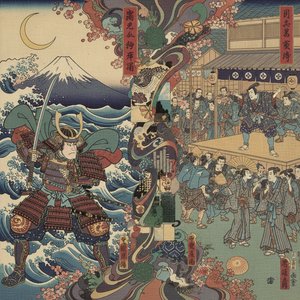
Utagawa Kuniyoshi: A Master of Japanese Ukiyo-e – Narrative Innovation & the Fusion of Tradition with Popular Culture
Explore the captivating world of Utagawa Kuniyoshi, a master of Japanese ukiyo-e woodblock prints. Discover his innovative warrior scenes, vibrant landscapes & lasting legacy in 19th-century art history.
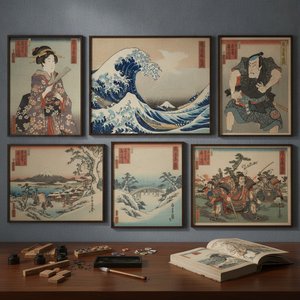
Ukiyo-e: The Art of the Floating World and the Legacy of Japanese Woodblock Masters
Explore the profound history of Ukiyo-e, from Hokusai's iconic waves to the vibrant culture of Edo Japan. Discover the intricate craft of woodblock printing and the enduring legacy of these Japanese masterpieces through our expert art history guide.

The Floating World: Unveiling the Timeless Beauty and Soul of Japanese Ukiyo-e Artistry
Journey through the ephemeral beauty of Japanese Ukiyo-e. Uncover the profound history of woodblock prints, the mastery of Hokusai, and the captivating link between the 'Floating World' and Impressionism. A sophisticated guide for the discerning art enthusiast.

葛饰北斋:25幅传世名作,浮世绘大师的艺术传奇 (Katsushika Hokusai: 25 Masterpieces, The Art Legacy of the Ukiyo-e Master)
探索葛饰北斋的25幅传世名作!深入了解浮世绘大师的艺术传奇,感受《神奈川冲浪波》等经典作品背后的故事与魅力。OriginalUniqueArt.com提供博物馆级高质量复制品,为您的家居带来日本风情和艺术灵感。立即探索完整系列!

Floating Worlds: A Definitive Guide to the Mastery and Philosophy of Japanese Ukiyo-e Woodblock Prints
Explore the profound beauty of Ukiyo-e. Discover the history, philosophy, and legendary masters of Japanese woodblock prints, from Hokusai to Kuniyoshi, in this expert guide to the 'Floating World'.