
 效果预览
效果预览
 切换至印刷版
 分享
分享 分享
分享
 详情
详情

 下载
下载
 相似作品
相似作品 X射线
X射线 幻灯片播放
幻灯片播放The actor (12)

 展开详情
展开详情




P118B $10

P118H $10

P118W $10

P438Z $10

P508JH $12

P508YH $12

P805H $10

P805Z $10

P919BZ $10

P919G $10

P919XJ $10

P959ZH $10

P968JZ $12

W106C $8

W218G $10

W218JH $8

W218Y $10

W307PJ $10

W316G $10

W316PJ $8

W316Y $10

W398PJ $8

W4111J $10

W500HY $15

W500JH $15

W692G $12

W849H $8

W940BG $15

W953PJ $8




从与原作比例一致的预设尺寸中进行选择。

您可以输入自定义尺寸,以适配特定的画框或空间。如果所选尺寸与原图比例不符,我们将通过裁剪作品或添加手绘元素来扩展画面。数字样稿将在制作开始前发送给您确认。
请注意,屏幕预览无法准确反映实际的裁剪或扩展效果,只有样稿才能真实呈现最终的构图。
虽然我们提供定制尺寸服务,但为了保留原作比例,建议您从预设列表中选择尺寸。
下单后,OriginalUniqueArt.com 团队将通过电子邮件联系客户获取具体要求,并提供效果预览图。


 玻璃选项仅适用于110厘米以下的尺寸。

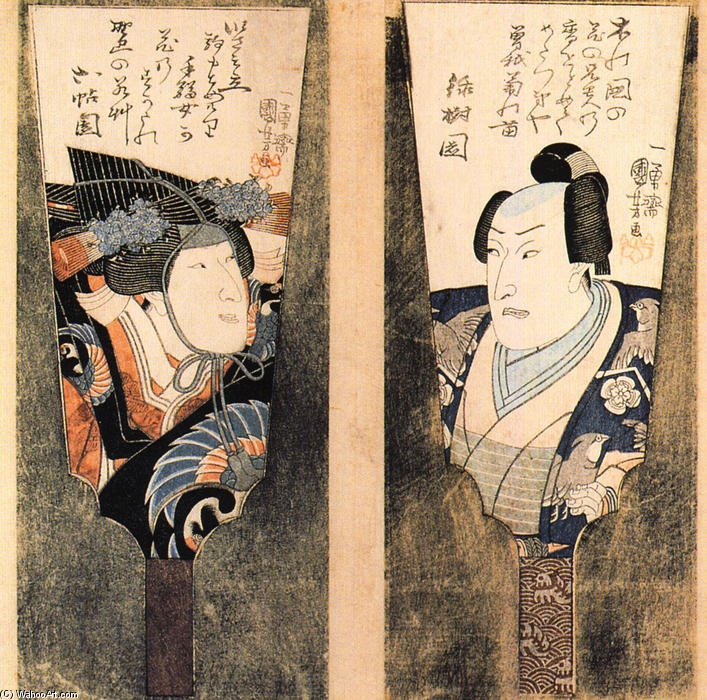
The actor (12)
复制材质
复制品尺寸
-


最终总价
$ 300
作品详情
A Window Into Edo Japan: Kuniyoshi's "The Actor" – A Symphony of Color and Drama
Utagawa Kuniyoshi’s “The Actor,” executed in 1847, stands as a quintessential example of *shunga*, the Japanese erotic woodblock print genre that flourished during the Edo period (1603-1868). More than just a depiction of theatrical performance, this triptych delves into themes of beauty, masculinity, and fleeting moments captured in exquisite detail—a testament to Kuniyoshi’s mastery of technique and his profound understanding of Japanese aesthetics. Produced by Ichimura Uzaemon XII for the prestigious Gobuji Chūshingura series, commissioned to commemorate the heroic tale of samurai loyalists defending Edo Castle against Tokugawa forces, “The Actor” embodies the spirit of its time—a fascination with idealized figures and a celebration of artistic virtuosity.- Subject Matter: The print portrays Ichimura Uzaemon XII as Tada Kurodo Yukitsuna, a prominent Kabuki actor known for his dramatic performances and captivating stage presence. Kuniyoshi meticulously captures Yukitsuna’s posture—a deliberate pose designed to convey nobility and strength—emphasizing the importance of gesture and expression within Japanese theater traditions.
- Style & Technique: Kuniyoshi employed a bold, expressive style characteristic of *shunga*, utilizing thick black outlines and vibrant colors achieved through multiple blocks of pigment applied to the wood surface. The artist’s masterful use of tonal gradation—particularly in the background—creates depth and atmosphere, transporting viewers into the theatrical space depicted.
- Historical Context: “The Actor” reflects the Edo period's obsession with idealized beauty and heroic narratives. Gobuji Chūshingura itself was a popular tale celebrating samurai loyalty and courage, mirroring broader societal values during this era. Kuniyoshi’s inclusion of tattoos—a symbol of honor and warrior identity—further reinforces these themes, demonstrating his awareness of cultural conventions.
- Symbolism: The intricate patterns adorning Yukitsuna's kimono serve as visual metaphors for status and refinement—elements central to Edo society’s hierarchical structure. Furthermore, Kuniyoshi’s careful composition directs the viewer’s gaze towards Yukitsuna’s face, highlighting the importance of facial expression in conveying emotion and embodying character within Kabuki performances.
- Emotional Impact: Despite its erotic undertones—a common feature of *shunga*— “The Actor” transcends mere sensuality to evoke feelings of admiration for beauty and contemplation on the ephemeral nature of human experience. Kuniyoshi’s artistic vision captures a moment frozen in time, inviting viewers to appreciate the artistry and cultural significance of Edo Japan.
艺术家简介
浮世绘晚期巨匠:歌川国芳的人生与艺术
歌川国芳(Yoshisaburō,1798年1月1日出生于江户,今东京),是江户时代末期最具代表性的浮世绘艺术家之一。他的艺术生涯恰逢日本“开国”时期,西方文化涌入之际,他以其独特的风格和大胆的创新,为传统的浮世绘注入了新的活力。国芳并非出身于绘画世家,而是在父亲经营的丝绸染色店中度过童年。这段经历潜移默化地影响了他的用色技巧,使他的作品色彩鲜明、富有生机。幼年时期的他便对浮世绘情有独钟,特别是那些描绘武士和工匠形象的作品深深吸引着他。这些早期的印象成为了他艺术创作的源泉。1811年,国芳进入歌川丰国一门,取名“国芳”,开始了严格的学徒生涯,系统地学习浮世绘的各种技法和表现形式。从默默无闻到崭露头角
国芳早期的创作生涯并不顺利,在众多江户浮世绘画家中难以脱颖而出。他的作品风格与老师丰国的风格相近,缺乏鲜明的个性特征。然而,这段探索期至关重要。他尝试了各种题材和技法,逐渐形成了自己独特的艺术语言,其特点是构图富有动感、色彩大胆奔放、叙事能力日益增强。1827年,国芳创作并发表了《通俗三国英雄一百八人》,这部以中国小说《水浒传》为蓝本的巨幅系列作品一举成名,确立了他作为“武者绘”(描绘武士的作品)大师的地位。《通俗三国英雄一百八人》不仅仅是对英雄故事的简单插图,更是国芳绘画才华的集中体现。他不仅生动地刻画了每一个武士形象,更赋予他们鲜明的情感和复杂的性格特征。传统与西方影响的融合
真正使国芳与其他浮世绘艺术家区分开来的,是他勇于创新的精神以及对日本传统艺术的深刻理解。江户时代末期,日本开始接触西方文化,国芳是首批将西方透视法和阴影技巧融入浮世绘创作中的艺术家之一。但他并非简单地模仿西方技法,而是巧妙地将其与日本传统的绘画风格相结合,增强了画面的深度、真实感和戏剧效果。他的风景画尤其体现了他对大气效果和空间关系的精湛掌握能力,常常营造出一种雄伟壮丽的氛围。除了技法上的创新,国芳还拓展了浮世绘的主题内容。虽然传统的题材如美人画和歌舞伎演员仍然受欢迎,但他大胆地尝试描绘历史场景、神话生物,甚至对当代社会进行讽刺性的评论。1843年创作的三幅连画《源赖朝邸蜘蛛之怪》就是一个典型的例子,巧妙地将政治批判隐藏在奇幻的叙事之中。一位富有远见的艺术家的遗产
国芳对后世艺术家的影响是不可估量的。他留下了超过5000幅设计作品,至今仍激励着无数艺术家。他创新性地融合了日本传统美学与西方技法,为浮世绘开辟了新的可能性,而他对题材的拓展则拓宽了浮世绘的艺术边界。他培养了众多学生,其中包括杨洲周延,周延继承了他的衣钵,将他的艺术风格延续到明治时代。- 代表系列作品:《通俗三国英雄一百八人》,武者绘的里程碑之作。
- 精湛的构图技巧:他创作出动态、引人入胜的场景的能力无与伦比。
- 创新的绘画技法:将西方透视法和阴影技巧融入浮世绘,革新了风景画的表现形式。
- 拓展的主题内容:他拓宽了浮世绘的艺术边界,探索了新的题材和叙事方式。

歌川国芳
1797 - 1861 , 日本
艺术家简介
- 代表作品:
- 水浒一百八人
- 平家之鬼
- 五条桥
- 全名: 歌川国芳
- 出生地: 日本东京
- 出生日期: 1798年1月1日
- 受此画家影响的艺术家: ['尾泽为赖']
- 国籍: 日本
- 影响此画家的艺术家: ['歌川丰国']
- 艺术运动或风格: 浮世绘
- 逝世日期: 1861年4月14日
相关文章
Ukiyo-e's Poetic Visionary: Hiroshige Ando & the Transformation of Landscape in 19th-Century Japan
Explore the life & art of Ando Hiroshige, Japan's last great ukiyo-e master. Discover his iconic landscapes, poetic style, and profound influence on Western Impressionism. Learn about The Fifty-Three Stations & more!
Tōshūsai Sharaku: A Fleeting Glimpse into Edo Period Kabuki – Life, Art, and the Enigma of a Ukiyo-e Master
Explore the captivating world of Tōshūsai Sharaku, the enigmatic Edo period ukiyo-e master. Discover his iconic Kabuki actor portraits and unravel the mystery behind this fleeting artistic genius. Learn about his unique style & lasting legacy.
Tsukioka Yoshitoshi: A Master of Ukiyo-e's Final Flourish – Narrative, Innovation, and the Meiji Transition
Explore the life & art of Tsukioka Yoshitoshi, the last great master of ukiyo-e woodblock printing. Discover his dramatic warrior prints, innovative series like 'One Hundred Aspects of the Moon,' and legacy reflecting Japan's Meiji transition.
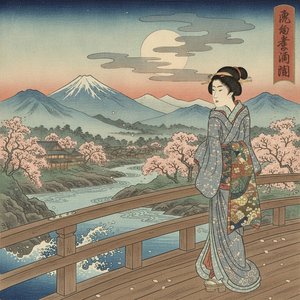
Ukiyo-e's Greatest Hits: 10 Masterpieces That Shaped a Movement | OriginalUniqueArt
Journey into Japan's 'Floating World'! Explore 10 Ukiyo-e masterpieces by Hokusai, Hiroshige & more. Discover the stories behind these iconic woodblock prints and bring timeless Japanese art to your home with OriginalUniqueArt.com. Explore the full collection online.
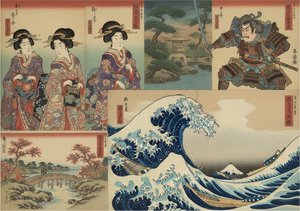
浮世绘:江户时代风俗画的艺术魅力与日本文化的持久影响
深入探索江户时代浮世绘的艺术魅力!了解木版画技艺、大师作品,及其对西方印象派的影响。OriginalUniqueArt为您提供专业的艺术解读与高清复刻服务。

