
 实景预览
实景预览
 分享
分享 分享
分享
 详情
详情 指南
指南

 下载作品
下载作品
 相似作品
相似作品 X射线
X射线 幻灯片播放
幻灯片播放 问答
问答 统计数据
统计数据The bell cricket (Chapter 38)

- 33.0 x 22.0 cm


 展开全文
展开全文
艺术微喷/版画
博物馆级艺术微喷或帆布版画,制作高效,并提供多种饰面选择。 ( 订购纯手工绘制画作 切换至数字图像销售渠道)




P118B ¥10

P118H ¥10

P118W ¥10

P438Z ¥10

P508JH ¥12

P508YH ¥12

P805H ¥10

P805Z ¥10

P919BZ ¥10

P919G ¥10

P919XJ ¥10

P959ZH ¥10

P968JZ ¥12

W106C ¥8

W218G ¥10

W218JH ¥8

W218Y ¥10

W307PJ ¥10

W316G ¥10

W316PJ ¥8

W316Y ¥10

W398PJ ¥8

W4111J ¥10

W500HY ¥15

W500JH ¥15

W692G ¥12

W849H ¥8

W940BG ¥15

W953PJ ¥8




您可以从与原作比例一致的预设尺寸中进行选择。

请输入您所需的宽度和高度,以适配您的画框或墙面。由于印刷品只能进行裁剪,无法超出原图尺寸,因此若比例不一致,画面的一部分将会被裁切。在正式印刷之前,我们会为您发送一份数字效果图供您确认。本页面显示的图片并非最终裁剪后的效果——只有效果图才能展示真实的裁剪情况。


 玻璃选项仅适用于110厘米以下的尺寸。

The bell cricket (Chapter 38)
艺术微喷/版画
复刻品尺寸
-


最终结算价
¥ 544
The Bell Cricket (Chapter 38): A Symphony of Harmony in Edo Period Printmaking
Utagawa Kunisada II’s “The Bell Cricket” (Chapter 38), created in 1857, transcends mere visual representation; it embodies the spirit of its time—the waning Edo period and a fascination with literary themes. Published by Tsutaya Kichizo during this transitional era, this Oban tate-e print exemplifies Kunisada II’s masterful command of ukiyo-e technique and delves into profound psychological considerations. The image depicts three women engaged in conversation amidst a serene garden setting—a deliberate choice reflecting the influence of Murasaki Shikibu's seminal novel “The Tale of Genji,” which served as inspiration for this series.- Subject Matter: The scene captures a moment of quiet contemplation, portraying women enjoying companionship and engaging in animated discussion. A bottle sits prominently on the left side of the composition, adding to the visual richness and subtly hinting at themes of intimacy and reflection.
- Style & Technique: Kunisada II’s signature style—characterized by meticulous detail and vibrant color palettes—is evident throughout. The print utilizes woodblock printing with ink and gold leaf, a technique perfected during the Edo period, resulting in stunning tonal gradations and luminous highlights that capture the ethereal quality of candlelight illuminating the garden.
- Historical Context: “The Bell Cricket” emerged as part of a larger series exploring themes from “The Tale of Genji,” a cornerstone of Japanese literature. This series reflects the anxieties and aspirations of the era, grappling with notions of beauty, morality, and societal expectations—particularly concerning women’s roles in society.
- Symbolism: The bell cricket itself symbolizes good fortune and renewal, aligning perfectly with the narrative's exploration of hope amidst adversity. The careful arrangement of figures and objects contributes to a harmonious composition that conveys a sense of tranquility and understated elegance.
Exploring Kunisada II's Artistic Legacy
Kunisada II, a student of Toyokuni III (Kunisada I), skillfully honed his craft while simultaneously upholding the traditions of his master. Despite not achieving the same level of fame as his predecessor, Kunisada II’s prolific output—spanning over 40 series—solidifies his position as one of Japan's most celebrated ukiyo-e artists. His enduring influence can be seen in subsequent generations of printmakers and continues to inspire contemporary artists seeking inspiration from Edo period aesthetics. The meticulous attention to detail and masterful use of color exemplify the pinnacle of Japanese woodblock printing artistry.A Reproduction Worth Admiring
A hand-painted reproduction of “The Bell Cricket” offers a captivating glimpse into Kunisada II’s artistic vision—a testament to his skill and an opportunity to bring this iconic image into your home. Utilizing the finest materials—premium paper, ink, and gold leaf—the reproduction faithfully captures the original print's luminosity and textural richness. It serves as more than just decoration; it’s a connection to Japanese art history and a celebration of timeless beauty.常见问题与解答
《The bell cricket (Chapter 38)》属于 二代歌川国贞 艺术生涯中的哪个时期?
"The bell cricket (Chapter 38)" 展现了 二代歌川国贞 在 Mature Edo 时期的艺术风格。
建议将“The bell cricket (Chapter 38)”打印成多大的尺寸?
建议将“The bell cricket (Chapter 38)”打印为 Large 尺寸。其他尺寸亦可按相同比例进行制作。
"The bell cricket (Chapter 38)" 是否支持增强现实 (AR) 预览?
通过作品的 AR 效果预览 页面,您可以在兼容设备上使用增强现实技术,在自己的墙面上预览 二代歌川国贞 的《The bell cricket (Chapter 38)》。
艺术家简介
**早年生活与艺术训练**
歌川国贞 II,亦被称为东丰四世,是一位享誉盛名的日本浮世绘版画大师。他于1823年出生于日本江户,承袭了歌川国贞 I的衣钵。在艺术生涯的初期,他多以国满三世之名进行创作。直到1850至1851年间,他正式采用了国贞 II这一艺名,这不仅标志着他在艺术地位上的提升,更象征着他正式继承了显赫的歌川派。**艺术风格与传世杰作**
国贞 II 的版画作品极其丰富,涵盖了超过40个系列,其题材之广、表现力之强令人叹为观止。他的创作重心主要集中在役者绘(即演员肖像),同时也精于描绘美人图、文学场景插画以及其他各类主题。在他众多的传世名作中,最负盛名的莫过于创作于1852年的《八犬传》(Hakkendun Inu no Sōshi no Uchi)。这一系列作品取材于曲亭园枝满的史诗巨著——《满庄里氏与八犬剑》(Nansō Satomi Hakkenden),通过细腻的线条与色彩,生动地再现了古典文学中的传奇魅力。**艺术传承与晚年岁月**
作为歌川派的领军人物,国贞 II 始终致力于延续其师门的艺术风格。尽管他极力保持着大师的风范,但在随后的明治时代(1868–1912),随着社会变革与审美变迁,他的名声逐渐减退,似乎在1874年之后便淡出了版画创作的前沿。1880年7月20日,这位艺术大师溘然长逝,并安葬于伴烧院光寺。他的佛教法号为三光院法护寿亭真嗣。**OriginalUniqueArt.com 精彩推荐**
- 在 OriginalUniqueArt.com 欣赏歌川国贞 II 的艺术杰作
- 在 OriginalUniqueArt.com 探索日本北海道现代美术馆的收藏
- 在 OriginalUniqueArt.com 发现野之山高山的绘画作品
**国贞 II 生平关键节点**
- 1823年:出生于日本江户
- 1850-51年:正式启用艺名国贞 II
- 1852年:创作了著名的《八犬传》
- 1868–1912年:明治时代,其艺术影响力逐渐减弱
- 1880年7月20日:逝世,并安葬于伴烧院光寺
**更多阅读推荐 (OriginalUniqueArt.com)**

二代歌川国贞
1823 - 1880 , 日本
艺术家简介
- Artistic Movement Or Style: 浮世绘 (役者绘)
- Artists Or Movements Influenced By This Artist: ['歌川派']
- Artists Who Influenced This Artist: ['歌川国贞 I']
- Date Of Birth: 1823年
- Date Of Death: 1880年
- Full Name: 二代歌川国贞
- Nationality: 日本
- Notable Artworks:
- 八犬传之绘
- 大阪演员片冈贺藤饰演安之平兵
- Place Of Birth: 日本东京
相关文章
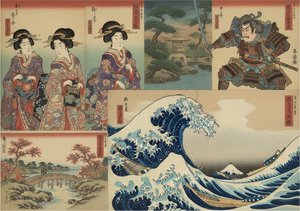
浮世绘:江户时代风俗画的艺术魅力与日本文化的持久影响
深入探索江户时代浮世绘的艺术魅力!了解木版画技艺、大师作品,及其对西方印象派的影响。OriginalUniqueArt为您提供专业的艺术解读与高清复刻服务。
Floating World Wonders: A Definitive Guide to the Captivating Beauty of Ukiyo-e Art
Embark on a visual journey through the ephemeral beauty of Ukiyo-e. Discover the masters of the floating world, from dynamic warriors to Kabuki legends, and explore the profound cultural legacy of Japanese woodblock printing in this expert guide for art enthusiasts.
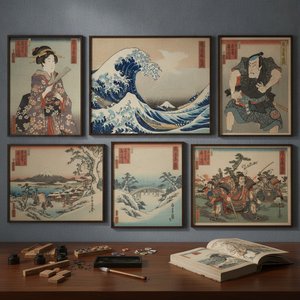
Ukiyo-e: The Art of the Floating World and the Legacy of Japanese Woodblock Masters
Explore the profound history of Ukiyo-e, from Hokusai's iconic waves to the vibrant culture of Edo Japan. Discover the intricate craft of woodblock printing and the enduring legacy of these Japanese masterpieces through our expert art history guide.
Utagawa Kuniyoshi: A Master of Japanese Ukiyo-e – Narrative Innovation & the Fusion of Tradition with Popular Culture
Explore the captivating world of Utagawa Kuniyoshi, a master of Japanese ukiyo-e woodblock prints. Discover his innovative warrior scenes, vibrant landscapes & lasting legacy in 19th-century art history.

葛饰北斋:25幅传世名作,浮世绘大师的艺术传奇 (Katsushika Hokusai: 25 Masterpieces, The Art Legacy of the Ukiyo-e Master)
探索葛饰北斋的25幅传世名作!深入了解浮世绘大师的艺术传奇,感受《神奈川冲浪波》等经典作品背后的故事与魅力。OriginalUniqueArt.com提供博物馆级高质量复制品,为您的家居带来日本风情和艺术灵感。立即探索完整系列!