效果预览
效果预览
 切换至手工绘画版
 分享
分享 分享
分享
 详情
详情

 下载
下载
 相似作品
相似作品 X射线
X射线 幻灯片播放
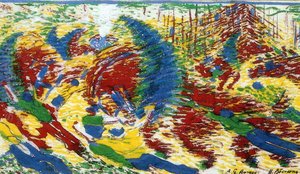
幻灯片播放Simultaneous Nude
 Acrylic
- WallArt
- Futurist Movement
 1915
1915 52.0 x 82.0 cm
 展开详情
展开详情




P118B $10

P118H $10

P118W $10

P438Z $10

P508JH $12

P508YH $12

P805H $10

P805Z $10

P919BZ $10

P919G $10

P919XJ $10

P959ZH $10

P968JZ $12

W106C $8

W218G $10

W218JH $8

W218Y $10

W307PJ $10

W316G $10

W316PJ $8

W316Y $10

W398PJ $8

W4111J $10

W500HY $15

W500JH $15

W692G $12

W849H $8

W940BG $15

W953PJ $8




从与原作比例一致的预设尺寸中进行选择。

您可以输入自定义尺寸,以适配特定的画框或空间。如果您选择的尺寸与原图比例不符,我们将对作品进行裁剪,或通过镜像填充/纯色填充边缘的方式来扩展图像。在开始制作之前,我们会向您发送一份数字效果图供您确认。
请注意,屏幕上的预览并不能反映实际的裁剪或扩展效果。只有效果图才能准确展示最终的构图。
虽然我们提供定制尺寸,但为了保持原图比例,我们建议您从预设列表中选择尺寸。


 玻璃选项仅适用于110厘米以下的尺寸。

Simultaneous Nude
艺术微喷/版画
复制品尺寸
-


最终总价
$ 80
藏品详情
Simultaneous Nude – A Futurist Echo of Movement and Modernity
“Simultaneous Nude,” created in 1915 by Umberto Boccioni during the fervent embrace of Futurism, isn’t merely a depiction of the human form; it's an audacious declaration of artistic rebellion against convention. This sketch and study—measuring 52 x 82 cm—captures a figure lying prone on the ground, facing away from the viewer, bathed in a muted palette dominated by earthy tones interwoven with hints of green, red, and beige. More than just observation, it’s an attempt to distill the very essence of dynamism into visual form.
The Futurist Vision: Embracing Speed and Disruption
Umberto Boccioni's involvement in Futurism stemmed from a profound conviction that art should mirror the transformative energy of the industrial age. Influenced by Filippo Tommaso Marinetti’s manifesto—a rallying cry for rejecting academic tradition—Boccioni sought to dismantle preconceived notions about sculpture and painting, prioritizing speed, movement, and fragmentation as artistic principles. This ethos is palpably present in “Simultaneous Nude,” where overlapping outlines and shifting planes convey a sense of multiple simultaneous movements, mirroring the Futurist fascination with technological advancement.
Technique and Composition: Deconstructing Form
Boccioni’s masterful technique—characterized by gestural brushstrokes—further amplifies this impression of kinetic energy. The artist deliberately eschewed meticulous detail, opting instead for expressive marks that capture the fleeting nature of existence. This approach aligns perfectly with Futurism's rejection of illusionistic representation; rather than striving to reproduce reality faithfully, Boccioni aimed to convey its underlying dynamism through abstraction. The composition itself is carefully considered—the extended arm and resting hand contribute to a complex interplay of lines and planes that draws the eye inward.
Symbolic Resonance: Beyond Representation
While seemingly simple in appearance, “Simultaneous Nude” carries significant symbolic weight. It represents more than just a nude figure; it embodies the Futurist ideal of overcoming inertia and embracing change. The posture itself—relaxed yet vulnerable—suggests contemplation amidst constant motion, prompting viewers to consider the relationship between stillness and dynamism within human experience. Furthermore, the muted color scheme reinforces this contemplative mood, creating an atmosphere that invites introspection.
Emotional Impact: Capturing the Spirit of an Era
"Simultaneous Nude" transcends mere visual aesthetics; it encapsulates the spirit of a pivotal moment in artistic history—the birth of Futurism and its audacious challenge to established norms. It speaks to a desire for innovation, a rejection of sentimentality, and an unwavering belief in progress. This artwork continues to resonate with audiences today because it successfully conveys the transformative energy of modernity, reminding us that art can serve as a powerful conduit for expressing profound ideas about human existence.
艺术家简介
波乔尼:运动与现代性的先驱
翁贝托·波乔尼(Umberto Boccioni,1882-1916)是意大利未来主义运动的核心人物之一,他的生命短暂却充满激情,如同他所倡导的艺术理念一样,充满了速度、能量和对现代世界的狂热拥抱。波乔尼出生于卡拉布里亚地区的雷焦卡拉布里亚,童年时期因父亲的公职调动而辗转各地,这种漂泊的生活经历塑造了他不安分的灵魂,也为他日后捕捉城市脉搏、表现运动本质提供了丰富的素材。早年的波乔尼在罗马学习装饰艺术,随后转向绘画,受到新艺术风格海报艺术的影响。然而,真正点燃他艺术生涯的火花,是与未来主义创始人菲利波·托马索·马里内蒂相遇,以及对未来主义宣言的深刻理解。从传统到革新:波乔尼的艺术探索
1910年是波乔尼艺术生涯的关键一年,他签署了《画家未来主义宣言》,正式投身于这场旨在颠覆传统艺术、拥抱现代社会变革的运动之中。波乔尼很快成为了未来主义理论家中的领军人物,他不仅继承了马里内蒂的思想,更将其应用于视觉艺术领域。他主张彻底摆脱对客观现实的再现,转而追求通过绘画来传达事物所蕴含的情感和运动状态——速度带来的眩晕感、形式的碎片化以及城市生活的巨大能量。早期的作品中仍能看到点彩派和分离主义的影响,但已经开始展现出他对动态表现的强烈兴趣。例如,《城市崛起》(1910-1911)这幅画作气势恢宏,描绘了现代都市建设的混乱景象——一个由人类、建筑和机器组成的漩涡,完美地体现了未来主义理想。波乔尼不断探索新的艺术语言,他逐渐摒弃传统的透视和构图方式,拥抱碎片化,以此来表现运动和能量。物体被分解成构成部分,力量线向外辐射,色彩在旋转的图案中融合——所有这些都旨在创造出一种视觉上的震动感。这种解构并非单纯的风格选择,而是源于波乔尼对现实本质的深刻理解:他认为现实是流动的、不断变化的,因此艺术应该捕捉到事物动态的本质,而非静态的外表。运动的诗学:波乔尼的代表作
波乔尼的作品主题围绕着运动、现代性的赞歌以及人体作为能量和运动载体的表现展开。《人体动势》(1913)是其杰出的代表作之一,画面中人物不再是一个固定的形态,而是一系列碎片化的形状,暗示了在空间中的运动轨迹。波乔尼的艺术生涯中最具标志性的作品无疑是《连续空间的独特形式》(1913),这件青铜雕塑将未来主义理想推向了极致。人物仿佛被定格在行进之中,四肢和躯干被拉长和扭曲,散发出一种不可阻挡的动量感。波乔尼对材料的运用也极具创新性,他尝试使用各种新材料来表现运动的质感,例如金属、玻璃等。他的雕塑作品不仅是对未来主义理念的视觉诠释,更是对传统雕塑观念的挑战。遗产与影响
1916年,波乔尼在一战中不幸遇难,年仅三十四岁,这使得艺术界失去了一位极具才华的艺术家。然而,他的思想和作品却在多年后继续产生着深远的影响。他不仅深刻地影响了后来的未来主义艺术家,也对构成主义和抽象表现主义等运动产生了重要作用。他对运动、动态以及现代生活方式的探索,为新的艺术形式开辟了道路,挑战了传统的美学观念和表征方式。- 影响:受到贾科莫·巴拉的点彩技巧、立体主义的形式碎片化以及尼采哲学思想的影响。
- 代表作:《人体动势》、《连续空间的独特形式》、《城市崛起》、《自行车运动员的动势》。
- 历史意义:波乔尼是20世纪艺术中的关键人物,他挑战了艺术惯例,并帮助塑造了现代艺术的进程。他对动态和运动表现的研究至今仍在激励着艺术家。
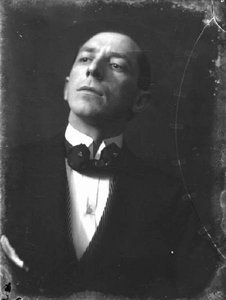
翁贝托·博奇奥尼
1882 - 1916 , 意大利
艺术家简介
- 全名: 翁贝托·博奇奥尼
- 出生地点: 意大利雷焦卡拉布里亚
- 出生日期: 1882年10月19日
- 受影响的艺术家或运动:
- 构成主义
- 抽象表现主义
- 国籍: 意大利人
- 影响艺术家:
- 贾科莫·巴拉
- 点彩派
- 立体主义
- 艺术流派: 未来主义
- 著名作品:
- 人体动态
- 连续空间中的独特形式
- 城市崛起
- 自行车手的动感
- 逝世日期: 1916年8月17日
相关文章
弗朗西斯·培根:25幅震撼人心的杰作,重塑艺术与家居空间 | Francis Bacon's 25 Masterpieces
探索弗朗西斯·培根25幅震撼人心的杰作,深入了解这位现代艺术大师的创作故事与情感世界。从《三幅习作》到肖像画,感受抽象表现主义的魅力。OriginalUniqueArt.com提供高品质艺术品复制,为您的家居空间增添艺术气息!立即探索完整系列。

马蒂斯大师25幅杰作:色彩与光影的艺术传奇 | OriginalUniqueArt
探索亨利·马蒂斯25幅杰作,感受野兽派色彩的魅力!从《舞蹈》到《红色和谐》,揭秘大师背后的故事与艺术灵感。OriginalUniqueArt.com提供博物馆级高质量油画复制品,为您的家居增添奢华艺术气息。立即在线探索完整系列!

埃贡·席勒:25幅震撼人心的杰作,艺术与灵魂的深度探索 | OriginalUniqueArt
探索埃贡·席勒25幅震撼人心的杰作!深入了解这位表现主义大师的绘画技巧、情感表达与生命哲思。OriginalUniqueArt.com提供高品质艺术复制品,为您的室内设计带来经典之美。立即在线探索完整系列!
纽约大都会艺术博物馆25幅必赏杰作:艺术、历史与家居灵感
探索纽约大都会艺术博物馆25幅传世杰作!从梵高、莫奈到达芬奇,深入了解艺术大师的故事与创作灵感。精美油画复制品,为您的家居带来艺术气息。立即在OriginalUniqueArt.com发现更多经典作品。
美国国家艺术馆精选:25幅大师级杰作,点亮您的艺术生活 | OriginalUniqueArt
探索美国国家艺术馆的25幅大师级杰作!深入了解塞尚、马蒂斯等艺术家的故事,感受印象派与现代艺术的魅力。OriginalUniqueArt.com提供高品质油画复制品,点亮您的家居空间。立即在线探索完整系列!