

 效果预览
效果预览
 购买手绘画作
 分享
分享 分享
分享
 详情
详情

 下载
下载
 相似作品
相似作品 X射线
X射线 幻灯片播放
幻灯片播放Praying Saviour
 Acrylic On Canvas
- WallArt
- Expressionism
 1903
1903 100.0 x 82.0 cm
 Janus Pannonius Múzeum
 展开详情
展开详情




P118B $10

P118H $10

P118W $10

P438Z $10

P508JH $12

P508YH $12

P805H $10

P805Z $10

P919BZ $10

P919G $10

P919XJ $10

P959ZH $10

P968JZ $12

W106C $8

W218G $10

W218JH $8

W218Y $10

W307PJ $10

W316G $10

W316PJ $8

W316Y $10

W398PJ $8

W4111J $10

W500HY $15

W500JH $15

W692G $12

W849H $8

W940BG $15

W953PJ $8




从与原作比例一致的预设尺寸中进行选择。

您可以输入自定义尺寸,以适配特定的画框或空间。如果您选择的尺寸与原图比例不符,我们将对作品进行裁剪,或通过镜像填充/纯色填充边缘的方式来扩展图像。在开始制作之前,我们会向您发送一份数字效果图供您确认。
请注意,屏幕上的预览并不能反映实际的裁剪或扩展效果。只有效果图才能准确展示最终的构图。
虽然我们提供定制尺寸,但为了保持原图比例,我们建议您从预设列表中选择尺寸。


 玻璃选项仅适用于110厘米以下的尺寸。

Praying Saviour
艺术微喷/版画
复制品尺寸
-


最终总价
$ 80
藏品详情
A Moment of Reverence: Tivadar Csontváry Kosztka’s “Praying Saviour”
Tivadar Csontváry Kosztka, born Mihály Tivadar Kosztka on July 5th, 1853, in Kisszeben (modern-day Sabinov, Slovakia), remains a figure of enduring fascination within Hungarian artistic circles—a painter whose life mirrored the turbulent currents of his era and whose canvases pulsed with an arresting blend of spirituality and psychological depth. His formative years were marked by a rich tapestry of influences: his father’s medical practice instilled in him a disciplined intellect alongside familial ties to Polish heritage, while Kosztka himself absorbed the vibrant cultural landscape of Slovakia and Germany—a confluence that undeniably shaped his artistic sensibilities. Unlike many of his contemporaries who embraced Impressionism's fleeting beauty, Kosztka resolutely pursued Expressionism, forging a path distinct from mainstream trends and establishing himself as one of Hungary’s foremost artists.The Expressionist Vision: Atmosphere and Emotion
“Praying Saviour,” completed in 1903, exemplifies the core tenets of Expressionist art—a movement characterized by its rejection of objective representation in favor of conveying subjective emotion and psychological experience. Kosztka eschewed meticulous detail, prioritizing instead a hazy, atmospheric depiction that captures not merely what is seen but how it feels. The muted palette—dominated by shades of grey, ochre, and indigo—creates an oppressive yet contemplative mood, mirroring the solemnity of the depicted prayer scene. Thick brushstrokes dominate the canvas, layering textures and conveying a palpable sense of urgency and emotional intensity. This deliberate disregard for photographic accuracy wasn’t merely stylistic choice; it was a conscious effort to bypass rational thought and tap into primal instincts—a hallmark of Expressionist philosophy.A Biblical Narrative Illuminated
The painting portrays Jesus Christ kneeling before a congregation, bathed in the diffused glow of twilight. Kosztka skillfully utilizes pyramidal composition to draw the viewer’s eye upwards towards Jesus' outstretched hands, symbolizing supplication and yearning for divine grace. The figures surrounding him are rendered with varying degrees of detail—some sharply defined, others blurred into the background—suggesting a hierarchy of importance while simultaneously emphasizing the universality of faith. Notably absent is any explicit depiction of faces; Kosztka deliberately obscures individual expressions, fostering instead an atmosphere of collective contemplation and shared devotion. This anonymity serves to elevate the scene beyond mere biographical representation, transforming it into a timeless meditation on spirituality and human aspiration.Symbolism Embedded in Texture and Color
The dominant grey hue underscores the painting’s solemn mood and evokes feelings of melancholy—a deliberate reflection of the spiritual struggles inherent in faith itself. The scattered trees silhouetted against the darkening sky contribute to the overall sense of isolation and vulnerability, mirroring Jesus' position as a solitary figure confronting divine authority. Kosztka’s masterful use of impasto technique – applying paint thickly onto the canvas – amplifies these textural qualities, creating palpable depth and conveying an emotional resonance that transcends visual perception. The subtle variations in color—particularly the indigo patches adorning the sky—suggest a profound contemplation of the cosmos and its mysteries.Legacy and Emotional Impact
“Praying Saviour” continues to resonate with audiences today due to its uncompromising honesty and its ability to evoke powerful emotions. Kosztka’s masterful portrayal of human vulnerability combined with his evocative Expressionist style ensures that this artwork remains a poignant reminder of the enduring quest for spiritual solace—a testament to the transformative power of art to transcend time and connect us to fundamental truths about the human condition. Its haunting beauty and contemplative atmosphere inspire viewers to consider questions of faith, compassion, and the significance of inner reflection.艺术家简介
一幅被点亮的生命:提瓦德·森茨瓦里·科什茨卡(Tivadar Csontváry Kosztka)的艺术之旅
提瓦德·森茨瓦里·科什茨卡在匈牙利艺术的版图上,依然是一位迷人的谜团——他的一生如同他创作的画作一样,充满了戏剧性和非凡的色彩。他于1853年7月5日出生于基斯岑(今斯阿尼诺夫,斯洛伐克),其出身背景交织着令人着迷的多元文化气息。他的父亲是一位医生和药剂师,其血脉可追溯到定居匈牙利的波兰祖先;而年轻的提瓦德则度过了充满斯洛伐克语和德语回响的童年,最终才热烈地拥抱了自己匈牙利人的身份。这种早期沉浸于不同语言和文化潮流的经历,可以说塑造了他后来艺术视野中独特的视角——一个既极具个人色彩又具有普遍共鸣的愿景。多年来,他 dutifully 遵循着父亲的脚步,从事药剂师的工作,这份职业生涯持续了很久,直到二十七岁时一次改变人生的经历,彻底地改写了他的命运轨迹。1880年10月13日,在沉浸于自己的工作之余,森茨瓦里声称听到了神圣的召唤:一个声音宣告他注定要成为“世界最伟大的画家,超越拉斐尔”。这一刻成为了他艺术抱负的基石,将他推上了一条非凡而又常常孤独的道路。从药剂师到艺术朝圣者
这个神秘的预兆彻底改变了森茨瓦里的生命轨迹。他开始了漫长而密集的自我准备时期,这股动力源于坚不可摧的信念和对艺术精湛技艺不懈的追求。起初,他遭到传统艺术学院的拒绝,但他从未气馁,反而深入欧洲各地——罗马、巴黎、慕尼黑——游历学习,拜访大师,磨练技艺。然而,驱动他的绝不仅仅是纯粹的技术熟练;森茨瓦里追寻的是更深层次的东西,一种能够表达其内心世界的独特视觉语言。他通过继续做药剂师来资助这些旅程,为了艺术的召唤而牺牲了个人安逸。从1890年开始,他的足迹早已超越了欧洲范围,遍布北非和中东——达尔马提亚、意大利、希腊、黎巴嫩、巴勒斯坦、埃及和叙利亚。这些土地成为了他深厚的灵感源泉,将异域风光、戏剧性的光影以及一种精神上的渴望注入了他的画布之中。他描绘的绝不仅仅是眼前的景象;而是透过自己极度私人的视角去诠释它——一个常常带着忧郁色彩,却又对自然力量怀有深切敬畏的视角。他雄心壮志的宏大程度,体现在许多作品的纪念碑式尺寸上,它们要求观者驻足凝视,并将其完全笼罩在沉浸式的景观之中。“日光”与独特的艺术声音
森茨瓦里的艺术风格难以用简单的标签来归类。尽管常被与后印象主义和表现主义联系在一起,但他更多是靠自我学习开辟了属于自己的道路。他的画作以其纪念碑式的规模为特征——许多作品的宽度和高度都达到了好几米——以及对色彩和构图的大胆运用。他发展出自己称之为“日光”(napút)的方法论,这种方法强调了光线那股改变万物的力量,以及它揭示隐藏真相的能力。这不仅仅是描绘阳光;更是捕捉到光照本身,无论是物理上的还是精神层面的本质。他的风景画常常弥漫着令人敬畏的宏伟感,而他对中东场景的描绘则带着一种萦绕心头的美和一丝淡淡的忧郁底色。像《孤独的雪松》(1907年)和《黎巴嫩的雪松朝圣之旅》(1907年)这样的作品就体现了这种手法——高耸的树木在戏剧性的天幕下剪影,唤起了孤独、敬畏与崇高的情感。其他值得一提的作品包括描绘历史名城的浪漫景象《摩斯塔尔的春天》(1903年),以及对信仰和缅怀的深情刻画《耶路撒冷的哭墙》(1904年)。他试图捕捉的,不只是事物的表象,而是其底层的精神本质——这一点使他的作品区别于许多同时代的艺术家。迟来的认可,永恒的遗产
尽管在艺术上有诸多创新,但在生前,森茨瓦里也面临着巨大的挑战。他非传统的生活方式——他是一位素食主义者、禁酒者和和平主义者——以及他常常带有预言性质的文字,使得许多人将他视为一个古怪的疯子。他在匈牙利难以获得认可,直到在西欧,尤其是在1907年于巴黎展出时,才获得了更广泛的艺术评论家的赞赏。然而,即便是那里,完全的接纳也显得遥不可及。他的画作在他生前很少被售出,晚年饱受经济困苦的折磨。森茨瓦里于1919年6月20日在布达佩斯去世,在匈牙利艺术界几乎未获应有的尊重。直到他逝世之后,他的天才才开始得到充分的认可。如今,提瓦德·森茨瓦里·科什茨卡被誉为匈牙利最伟大的画家之一——一位持续令人着迷和鼓舞的远见卓识的艺术家。他的画作收藏于布达佩斯匈牙利国家美术馆和佩奇的森茨瓦里博物馆等著名机构,确保了他的精神遗产将流传后世。2006年,《约会》(Rendez-vous)(1902年),又名“恋人的相遇”,在拍卖会上以超过一百万欧元的价格成交——这证明了其艺术愿景经久不衰的力量与价值,是对这位敢于相信自己能超越拉斐尔的男人的恰当致敬。持久的影响
- 开创精神: 尽管面临拒绝和困苦,森茨瓦里对自身艺术愿景坚定不移的承诺,至今仍是艺术家们学习的灵感源泉。
- 独特风格: 他的“日光”技法和纪念碑式的尺幅,持续影响着那些渴望捕捉自然精神本质的风景画家。
- 文化象征: 森茨瓦里的作品已成为匈牙利民族身份的象征,因其完美融合了东方与西方的独特风格而备受赞誉。
- 精神深度: 他的画作为观者提供了一场关于孤独、信仰和崇高主题的深刻冥想,引起了跨越文化和世代共鸣的共鸣。
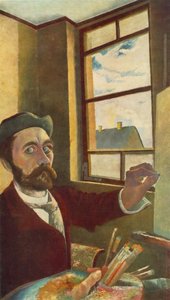
蒂瓦达·森茨瓦里·科什茨卡
1853 - 1919 , 斯洛伐克
艺术家简介
- Artistic Movement Or Style: 后印象主义,表现主义
- Date Of Birth: 1853年7月5日
- Date Of Death: 1919年6月20日
- Full Name: 蒂瓦达尔·森特瓦里·科什茨卡
- Nationality: 匈牙利
- Notable Artworks:
- 孤独的雪松
- 莫斯塔尔的春天
- 前往雪松朝圣
- 耶路撒冷哭墙
- Place Of Birth: 萨比诺夫,斯洛伐克
相关文章

Tivadar Csontváry Kosztka: A Hungarian Visionary Between Symbolism and Existential Isolation
Explore the captivating art of Tivadar Csontváry Kosztka, a Hungarian visionary bridging Symbolism & Expressionism. Discover his unique 'sunway' style and profound themes – available as museum-quality reproductions at OriginalUniqueArt.
佛罗伦萨文艺复兴大师:安杰利科25幅传世名作赏析 | OriginalUniqueArt
探索佛罗伦萨文艺复兴大师安杰利科的25幅传世名作!深入了解其宗教绘画、壁画艺术与天使般的风格。OriginalUniqueArt.com提供高清复制品及精选装饰画,为您的室内空间增添永恒之美。立即在线探索完整系列!
20世纪具象表现主义:情感强度与主观现实的艺术探索
深入探索20世纪具象表现主义:从德国桥社到抽象表现主义的演变。专业艺术分析,收藏指南与高品质油画复制尽在OriginalUniqueArt.com。


Károly Ferenczy: Pioneering Hungarian Modernism & the Soul of a Nation
Explore the life & art of Károly Ferenczy, a pivotal figure in Hungarian Modernism. Discover his landscapes, portraits, and role in founding the Nagybánya colony. Expert insights for collectors & enthusiasts.

