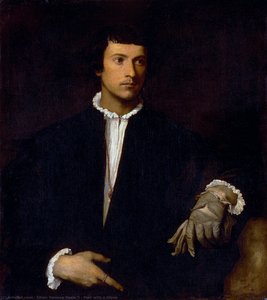
效果预览
效果预览
 购买手绘画作
 分享
分享 分享
分享
 详情
详情

 下载
下载
 相似作品
相似作品 X射线
X射线 幻灯片播放
幻灯片播放St Ambrose


 展开详情
展开详情




P118B $10

P118H $10

P118W $10

P438Z $10

P508JH $12

P508YH $12

P805H $10

P805Z $10

P919BZ $10

P919G $10

P919XJ $10

P959ZH $10

P968JZ $12

W106C $8

W218G $10

W218JH $8

W218Y $10

W307PJ $10

W316G $10

W316PJ $8

W316Y $10

W398PJ $8

W4111J $10

W500HY $15

W500JH $15

W692G $12

W849H $8

W940BG $15

W953PJ $8




从与原作比例一致的预设尺寸中进行选择。

您可以输入自定义尺寸,以适配特定的画框或空间。如果您选择的尺寸与原图比例不符,我们将对作品进行裁剪,或通过镜像填充/纯色填充边缘的方式来扩展图像。在开始制作之前,我们会向您发送一份数字效果图供您确认。
请注意,屏幕上的预览并不能反映实际的裁剪或扩展效果。只有效果图才能准确展示最终的构图。
虽然我们提供定制尺寸,但为了保持原图比例,我们建议您从预设列表中选择尺寸。


 玻璃选项仅适用于110厘米以下的尺寸。

St Ambrose
艺术微喷/版画
复制品尺寸
-


最终总价
$ 80
藏品详情
A Renaissance Reverie: Unveiling Titian Ramsay Peale II’s “St. Ambrose”
Titian Ramsay Peale II's circular portrait of St. Ambrose is not merely a depiction of a religious figure; it’s an intimate encounter with faith, authority, and the enduring power of Renaissance artistry. The painting draws the viewer into a close-up world dominated by the serene yet commanding presence of the saint. Against a backdrop of deep shadow—a darkness that seems to both cradle and emphasize his form—St. Ambrose emerges as a beacon of spiritual strength. Peale’s masterful use of oil paint creates a rich tapestry of texture, particularly evident in the folds of Ambrose's robes and the delicate rendering of his beard. The impasto technique lends a tactile quality, inviting us to almost reach out and feel the weight of the fabric, the smoothness of the skin.
Echoes of Tradition: Style and Technique
Peale II’s artistic lineage is clearly visible in this work. As the son of renowned American portraitist Charles Willson Peale, he inherited a dedication to realistic representation and meticulous detail. However, “St. Ambrose” reveals a distinct leaning towards the High Renaissance aesthetic—a style characterized by its harmonious compositions, idealized forms, and dramatic use of light and shadow. The artist’s skill in modeling forms through subtle gradations of tone creates a remarkable sense of depth within the limited space of the circular format. Light doesn't simply illuminate Ambrose; it sculpts him, highlighting his features and imbuing him with an almost palpable presence. The careful attention to detail—from the intricate design of his mitre (bishop’s hat) to the subtle expression on his face—speaks to Peale’s commitment to capturing not just a likeness, but the very essence of his subject.
Symbolism and Spiritual Weight
The iconography within “St. Ambrose” is steeped in religious significance. St. Ambrose himself was a pivotal figure in early Christianity, known for his intellectual prowess, his defense of orthodox doctrine, and his influence on figures like Augustine of Hippo. His attire—the mitre and staff—are immediately recognizable symbols of his episcopal authority. The gesture of his hand, though subtle, likely conveys a blessing or a teaching pose, reinforcing his role as a spiritual leader. Beyond these explicit symbols, the circular format itself carries weight. Throughout art history, circles have often represented eternity, wholeness, and divine perfection – qualities perfectly suited to a depiction of a saint whose life was dedicated to faith. The painting isn’t simply *about* St. Ambrose; it aims to evoke the reverence and contemplation associated with his legacy.
A Rediscovered Voice: Peale II in Context
Titian Ramsay Peale II remains somewhat overshadowed by his father's fame, but works like “St. Ambrose” are bringing renewed attention to his unique artistic contributions. While he also excelled as a naturalist and scientific illustrator—skills honed through expeditions across the American landscape and beyond—his paintings demonstrate a profound understanding of Renaissance principles and a refined aesthetic sensibility. He wasn’t merely replicating styles; he was internalizing them, adapting them to his own vision, and creating works that resonate with both technical mastery and emotional depth. This portrait stands as a testament to Peale II's ability to blend artistic tradition with personal expression, offering a compelling glimpse into the spiritual world of its subject and the artistic sensibilities of 19th-century America.
艺术家简介
蒂坦·拉姆齐·皮尔二世:新世界的回忆
蒂坦·拉姆齐·皮尔二世(Titian Ramsay Peale II)占据着19世纪美国艺术风景中一个迷人而常常被忽视的地位。他于1799年出生在费城,深深扎根于艺术世家——他是查尔斯·威尔逊·皮尔(Charles Willson Peale)最小的儿子,这位人物是早期美国肖像画的关键人物,也是首个国家博物馆的创始人。尽管他的父亲留下了巨大的遗产,但蒂坦开辟了自己的道路,这其中深深植根于文艺复兴时期艺术理想,特别是从威尼斯流传下来的那些理想。他并非简单地复制风格;他正在传递一种深刻的艺术感觉,在他的画布上注入了细致入微的细节和充满活力的色彩调板,使他与许多同时代人区分开来。他的生活在蓬勃发展的美国身份的背景下展开,然而他的艺术心灵仍然与古典大师紧密相连,从而创造了一种旧世界敬畏和新世界表达之间的引人注目的张力。自然主义素描到画家画布
皮尔早年的人生充满了对艺术和自然历史的双重热情——这种结合是由他父亲多方面的追求所培养的。他陪同考察队,特别是1819年至1820年斯蒂芬·哈里曼·朗(Stephen Harriman Long)前往落基山脉的旅程,以越来越精湛的艺术眼光记录植物和动物。这个时期不仅仅是关于记录观察结果;而是关于*理解*形式、光线和纹理——这些技能在他完全专注于绘画时将证明其价值。他作为自然家的工作启发了他的艺术,为他对自然世界的描绘赋予了科学的精确性,同时也使它们充满了超越简单记录的情感共鸣。他不仅仅是在向我们展示事物是什么样子的;他是在揭示它们的内在之美和精神意义。《贡金献币》(The Tribute Money)就是一个很好的例子,它以鲁本斯式的光影运用呈现出戏剧性的效果,“仙女与牧羊人”则巧妙地融合了自然、神话和感性美。威尼斯影响与神圣的幻象
威尼斯色彩主义的影响——由提香(Titian)等艺术家所倡导,强调丰富而发光的色彩和大气效果——在皮尔的作品中显而易见。他并非简单地复制这些大师;他正在内化他们的原则,并将它们适应到自己的艺术视野中。这尤其体现在他的宗教作品中,《四位圣徒的祭坛宝库》和《牧羊人的敬拜》等画作不仅仅是圣经场景的描绘;它们是身临其境的体验,通过精心安排的构图和运用色彩来唤起情感,将观众带入精神沉思的世界。这些作品中对细节的细致关注不仅体现了他的技术技能,还体现了他对主题的深刻敬畏。重塑与持久意义
在20世纪的大部分时间里,蒂坦·拉姆齐·皮尔二世很大程度上被排除在艺术史叙事之外。他的作品并不完全符合流行的趋势,他对古典风格的奉献似乎在快速变化的艺术环境中显得过时。然而,近年来出现了一种对他的贡献日益增长的重新评估。学者和收藏家正在认识到其绘画中美国情怀与欧洲传统独特融合的特点。对他作品的重新发现不仅仅是填补艺术史上的空白;而是为了更深入地理解塑造19世纪美国的复杂文化力量。皮尔代表了不同世界之间的桥梁,是对古典理想持久力量的证明,也是一个提醒,艺术创新通常源于影响力的意想不到的组合。他的画作,现在可以在OriginalUniqueArt、乌菲齐美术馆和皮蒂宫等收藏中找到,为美国艺术史的一个被遗忘的角落提供了引人注目的一瞥——这个角落被文艺复兴的光辉照亮。
蒂坦·拉姆齐·皮尔二世
1799 - 1885 , 美国
艺术家简介
- 全名: Titian Ramsay Peale II
- 出生日期: 1799年
- 国籍: 美国
- 影响艺术家:
- Titian
- 威尼斯画派大师
- 艺术风格: 文艺复兴时期
- 著名作品:
- 祭坛圣像与四位圣徒
- 牧羊人的敬拜
- 美丽
- 贡币
- 圣家与牧羊人
相关文章

Titian Ramsay Peale II: A Legacy of Botanical Precision & Artistic Innovation
Explore the life & art of Titian Ramsay Peale II, a master of botanical precision and wildlife painting. Discover his legacy bridging art & natural history at OriginalUniqueArt.

埃尔·格列柯25幅杰作:探索艺术大师的信仰与火焰
探索埃尔·格列柯25幅杰作,领略这位西班牙画家巴洛克风格的宗教绘画魅力。从《圣塞巴斯蒂安》到《沉思者》,感受信仰与艺术的交融。OriginalUniqueArt.com提供高品质油画复制品,为您的家居装饰增添经典之美!探索完整系列作品。

Charles Willson Peale: Portraiture, Enlightenment Ideals & Shaping American Identity
Explore the life & art of Charles Willson Peale – Revolutionary portraitist, scientist, and founder of America’s first museum. Discover his iconic paintings of Washington & the Enlightenment ideals that shaped a nation.
慕尼黑老绘画馆25幅杰作:文艺复兴至巴洛克艺术之旅| OriginalUniqueArt
探索慕尼黑老绘画馆25幅杰作!从文艺复兴到巴洛克,领略卢本斯、伦勃朗等大师的经典油画。了解艺术史背后的故事,在家居装饰中融入永恒之美。OriginalUniqueArt.com提供博物馆品质的艺术复制品,点亮您的生活空间。
Titian: Innovation, Technique & the Venetian Renaissance Portrait Tradition
Explore the revolutionary techniques & enduring legacy of Titian, the master of Venetian Renaissance portraiture. Discover insights for collectors & appreciate his impact on art history.