效果预览
效果预览
 购买手绘画作
 分享
分享 分享
分享
 详情
详情

 下载
下载
 相似作品
相似作品 X射线
X射线 幻灯片播放
幻灯片播放Angel


 展开详情
展开详情




P118B $10

P118H $10

P118W $10

P438Z $10

P508JH $12

P508YH $12

P805H $10

P805Z $10

P919BZ $10

P919G $10

P919XJ $10

P959ZH $10

P968JZ $12

W106C $8

W218G $10

W218JH $8

W218Y $10

W307PJ $10

W316G $10

W316PJ $8

W316Y $10

W398PJ $8

W4111J $10

W500HY $15

W500JH $15

W692G $12

W849H $8

W940BG $15

W953PJ $8




从与原作比例一致的预设尺寸中进行选择。

您可以输入自定义尺寸,以适配特定的画框或空间。如果您选择的尺寸与原图比例不符,我们将对作品进行裁剪,或通过镜像填充/纯色填充边缘的方式来扩展图像。在开始制作之前,我们会向您发送一份数字效果图供您确认。
请注意,屏幕上的预览并不能反映实际的裁剪或扩展效果。只有效果图才能准确展示最终的构图。
虽然我们提供定制尺寸,但为了保持原图比例,我们建议您从预设列表中选择尺寸。


 玻璃选项仅适用于110厘米以下的尺寸。

Angel
艺术微喷/版画
复制品尺寸
-


最终总价
$ 80
藏品详情
A Renaissance Echo in the New World: Exploring Titian Ramsay Peale II’s Angel
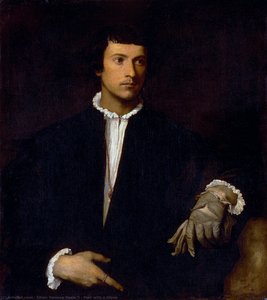
Titian Ramsay Peale II stands as a singular figure within 19th-century American art, embodying an extraordinary convergence of artistic heritage and burgeoning national identity. Born in Philadelphia in 1799, he carried the torch of Renaissance ideals—specifically those emanating from Venice—across the Atlantic, crafting canvases that resonate with meticulous detail and luminous color palettes. Unlike many artists of his era preoccupied with mere stylistic imitation, Peale possessed a profound understanding of artistic principles, channeling them into works that transcend convention and captivate viewers with their serene beauty. His life unfolded amidst the transformative period of American expansion, yet his creative spirit remained firmly rooted in classical tradition, resulting in an artwork experience unlike any other.- Subject Matter & Composition: The painting depicts a woman seated serenely, her gaze directed upwards—a gesture laden with spiritual contemplation. Alongside her stands an angel holding a scroll bearing Latin script, anchoring the scene within a framework of religious symbolism. The inclusion of a clock mounted on the wall subtly underscores the temporal dimension of the artwork, situating it within an interior space suggestive of sacred devotion.
- Style & Technique: Peale’s approach is unmistakably Venetian Renaissance, characterized by masterful chiaroscuro—the dramatic interplay of light and shadow—that sculpts form and imbues the scene with palpable emotion. His brushstrokes are deliberate and precise, capturing subtle nuances of texture and color, reflecting a dedication to realism informed by humanist observation.
Historical Context & Artistic Influences
Peale’s artistic sensibilities were profoundly shaped by his father, Charles Willson Peale—a titan of early American portraiture and the founder of Philadelphia's Museum of Art. This lineage instilled in him a deep appreciation for classical art forms and fueled his desire to emulate the grandeur and elegance of Venetian masters like Titian and Raphael. The painting’s Latin scroll speaks to the pervasive influence of humanist scholarship during the Renaissance, reflecting an intellectual climate that championed reason and observation alongside faith.Symbolism & Emotional Resonance
The angel's upward gaze symbolizes aspiration towards divine grace—a motif recurrent throughout Christian iconography. The woman’s tranquil expression embodies inner peace and spiritual contemplation, inviting viewers to contemplate themes of serenity and enlightenment. Furthermore, the clock serves as a poignant reminder of mortality, juxtaposed against the timeless beauty of the angelic figure and the scroll's sacred message. Peale skillfully evokes these emotions through his masterful use of color and light, creating an artwork that transcends mere visual representation.A Legacy of Venetian Idealism
Titian Ramsay Peale II’s ‘Angel’ exemplifies a remarkable achievement: the preservation of Renaissance artistic ideals within the context of American artistic development. Its meticulous technique, evocative composition, and profound symbolism solidify its place as a cornerstone of 19th-century art—a testament to an artist who dared to honor the past while forging his own distinctive voice. Reproductions offer a captivating opportunity to experience this timeless masterpiece firsthand.艺术家简介
蒂坦·拉姆齐·皮尔二世:新世界的回忆
蒂坦·拉姆齐·皮尔二世(Titian Ramsay Peale II)占据着19世纪美国艺术风景中一个迷人而常常被忽视的地位。他于1799年出生在费城,深深扎根于艺术世家——他是查尔斯·威尔逊·皮尔(Charles Willson Peale)最小的儿子,这位人物是早期美国肖像画的关键人物,也是首个国家博物馆的创始人。尽管他的父亲留下了巨大的遗产,但蒂坦开辟了自己的道路,这其中深深植根于文艺复兴时期艺术理想,特别是从威尼斯流传下来的那些理想。他并非简单地复制风格;他正在传递一种深刻的艺术感觉,在他的画布上注入了细致入微的细节和充满活力的色彩调板,使他与许多同时代人区分开来。他的生活在蓬勃发展的美国身份的背景下展开,然而他的艺术心灵仍然与古典大师紧密相连,从而创造了一种旧世界敬畏和新世界表达之间的引人注目的张力。自然主义素描到画家画布
皮尔早年的人生充满了对艺术和自然历史的双重热情——这种结合是由他父亲多方面的追求所培养的。他陪同考察队,特别是1819年至1820年斯蒂芬·哈里曼·朗(Stephen Harriman Long)前往落基山脉的旅程,以越来越精湛的艺术眼光记录植物和动物。这个时期不仅仅是关于记录观察结果;而是关于*理解*形式、光线和纹理——这些技能在他完全专注于绘画时将证明其价值。他作为自然家的工作启发了他的艺术,为他对自然世界的描绘赋予了科学的精确性,同时也使它们充满了超越简单记录的情感共鸣。他不仅仅是在向我们展示事物是什么样子的;他是在揭示它们的内在之美和精神意义。《贡金献币》(The Tribute Money)就是一个很好的例子,它以鲁本斯式的光影运用呈现出戏剧性的效果,“仙女与牧羊人”则巧妙地融合了自然、神话和感性美。威尼斯影响与神圣的幻象
威尼斯色彩主义的影响——由提香(Titian)等艺术家所倡导,强调丰富而发光的色彩和大气效果——在皮尔的作品中显而易见。他并非简单地复制这些大师;他正在内化他们的原则,并将它们适应到自己的艺术视野中。这尤其体现在他的宗教作品中,《四位圣徒的祭坛宝库》和《牧羊人的敬拜》等画作不仅仅是圣经场景的描绘;它们是身临其境的体验,通过精心安排的构图和运用色彩来唤起情感,将观众带入精神沉思的世界。这些作品中对细节的细致关注不仅体现了他的技术技能,还体现了他对主题的深刻敬畏。重塑与持久意义
在20世纪的大部分时间里,蒂坦·拉姆齐·皮尔二世很大程度上被排除在艺术史叙事之外。他的作品并不完全符合流行的趋势,他对古典风格的奉献似乎在快速变化的艺术环境中显得过时。然而,近年来出现了一种对他的贡献日益增长的重新评估。学者和收藏家正在认识到其绘画中美国情怀与欧洲传统独特融合的特点。对他作品的重新发现不仅仅是填补艺术史上的空白;而是为了更深入地理解塑造19世纪美国的复杂文化力量。皮尔代表了不同世界之间的桥梁,是对古典理想持久力量的证明,也是一个提醒,艺术创新通常源于影响力的意想不到的组合。他的画作,现在可以在OriginalUniqueArt、乌菲齐美术馆和皮蒂宫等收藏中找到,为美国艺术史的一个被遗忘的角落提供了引人注目的一瞥——这个角落被文艺复兴的光辉照亮。
蒂坦·拉姆齐·皮尔二世
1799 - 1885 , 美国
艺术家简介
- 全名: Titian Ramsay Peale II
- 出生日期: 1799年
- 国籍: 美国
- 影响艺术家:
- Titian
- 威尼斯画派大师
- 艺术风格: 文艺复兴时期
- 著名作品:
- 祭坛圣像与四位圣徒
- 牧羊人的敬拜
- 美丽
- 贡币
- 圣家与牧羊人
相关文章

Celestial Messengers: Angels in Painting – A Historical & Artistic Exploration
Explore the captivating history of angels in painting! Discover symbolism, iconic Renaissance & Byzantine masterpieces, and renowned artists. Expert insights for art lovers & collectors at OriginalUniqueArt.

Celestial Messengers: A Comprehensive Exploration of Angelic Representation in Art History
Explore the captivating history of angels in art! Discover symbolism, iconic Renaissance masterpieces & renowned artists. Expert insights for art lovers & collectors at OriginalUniqueArt.

丁托列托25幅杰作:威尼斯光影大师的艺术传奇 | OriginalUniqueArt
探索丁托列托25幅杰作:深入了解这位威尼斯光影大师的艺术传奇!从宗教绘画到神话故事,感受文艺复兴与巴洛克风格的完美融合。OriginalUniqueArt.com提供高清艺术复制品和家居装饰灵感,点亮您的生活空间。立即探索完整系列!

The Enduring Power of Painting: A Historical & Contemporary Exploration of Form and Emotion
Explore the rich history & enduring techniques of oil painting with OriginalUniqueArt. Discover masterpieces, learn about art collecting, and find authentic handmade reproductions crafted by skilled artists.

The Enduring Legacy of Oil on Canvas: Technique, History & Aesthetic Impact
Explore the rich history & techniques of oil painting – from Renaissance masters to Impressionism. Discover pigments, layering methods, and why this timeless medium endures. Expert insights for artists & art enthusiasts.