

 实景预览
实景预览
 发送
发送 分享
分享
 详情
详情 指南
指南

 下载图片
下载图片
 相似作品
相似作品 X射线
X射线 幻灯片播放
幻灯片播放 统计数据
统计数据Captain Peter Marriette, Ship's Captain
 Oil On Canvas
- WallArt
- Neoclassicism
 1769
1769- Early Modern
 75.0 x 64.0 cm
 英国图书馆
英国图书馆
 阅读全文
阅读全文
艺术微喷/版画
博物馆级艺术微喷或帆布版画,制作高效,并提供多种饰面选择。 ( 订购此收藏品的纯手工复刻画作 切换至数字图像销售渠道)




P118B ¥10

P118H ¥10

P118W ¥10

P438Z ¥10

P508JH ¥12

P508YH ¥12

P805H ¥10

P805Z ¥10

P919BZ ¥10

P919G ¥10

P919XJ ¥10

P959ZH ¥10

P968JZ ¥12

W106C ¥8

W218G ¥10

W218JH ¥8

W218Y ¥10

W307PJ ¥10

W316G ¥10

W316PJ ¥8

W316Y ¥10

W398PJ ¥8

W4111J ¥10

W500HY ¥15

W500JH ¥15

W692G ¥12

W849H ¥8

W940BG ¥15

W953PJ ¥8




您可以从与原作比例一致的预设尺寸中进行选择。

请输入您所需的宽度和高度,以适配您的画框或墙面。由于印刷品只能进行裁剪,无法超出原图尺寸,因此若比例不一致,画面的一部分将会被裁切。在正式印刷之前,我们会为您发送一份数字效果图供您确认。本页面显示的图片并非最终裁剪后的效果——只有效果图才能展示真实的裁剪情况。


 玻璃选项仅适用于110厘米以下的尺寸。

Captain Peter Marriette, Ship's Captain
艺术微喷/版画
复刻品尺寸说明
-


总计金额
¥ 538
A Portrait of Maritime Authority and Enlightenment Grace
In the quiet dignity of Tilly Kettle’s 1769 masterpiece, Captain Peter Marriette, Ship's Captain, we encounter more than just a likeness; we step into the very heart of Enlightenment-era Britain. This striking oil painting serves as a profound window into an age defined by maritime expansion and the burgeoning influence of the East India Company. Through Kettle’s masterful hand, the subject is not merely recorded but elevated, embodying the steadfastness and social ambition that characterized the era. As the viewer engages with the portrait, there is an immediate sense of meeting a man of consequence—a figure whose very presence commands respect through a composed, thoughtful stillness.
The composition is a triumph of Neoclassical restraint. Eschewing the flamboyant distractions of the preceding Rococo period, Kettle employs a focused, one-point perspective that directs all attention toward Marriette’s countenance. Seated in profile against a muted, unobtrusive backdrop, the Captain becomes the singular protagonist of his own story. The artist utilizes the vertical space of the canvas to emphasize the subject's stature, ensuring that the viewer's gaze is drawn upward to the subtle nuances of his expression. It is a deliberate arrangement designed to foster a sense of solemn contemplation, inviting us to wonder about the many voyages and heavy responsibilities etched into the lines of his face.
The Artistry of Detail and Symbolism
Technically, the painting is a testament to the precision of 18th-century oil portraiture. Kettle’s brushwork is remarkably smooth, creating a polished surface that allows light to dance across the textures of the subject's attire. There is a palpable sense of volume in the rendering of Marriette’s clothing; the heavy fabric of his coat feels substantial, almost tactile, thanks to the meticulous application of shadow and highlight. This realism extends to the delicate textures of his hair and the fine details of his skin, where the artist captures the grace of aging with profound sensitivity.
The color palette is deeply symbolic, woven with a narrative of status and duty. The dominance of deep blues evokes the vastness of the oceans Marriette navigated, suggesting maritime authority, reliability, and a steadfast spirit. These cool tones are balanced by crisp whites, which lend an air of nobility and purity to the composition. To complete this visual language of prestige, Kettle incorporates subtle accents of gold trim along the Captain's coat. This glint of precious metal serves as a quiet but powerful reminder of his elevated social standing and the wealth brought by the era's global trade. For the discerning collector or interior designer, these colors offer a sophisticated palette that brings a sense of historical weight and classical elegance to any curated space.
An Enduring Legacy for the Modern Collector
Beyond its historical significance, Captain Peter Marriette possesses an emotional resonance that transcends the centuries. It is a piece that speaks of legacy, duty, and the quiet strength found in leadership. The soft, diffused lighting creates an atmosphere of intimacy, making the encounter with the subject feel personal rather than distant. This artwork does not merely decorate a room; it anchors it, providing a focal point of intellectual and aesthetic depth.
For those seeking to incorporate a piece of British art history into their homes or galleries, a high-quality reproduction of this work offers an unparalleled opportunity. It brings the spirit of the 1760s—an era of discovery and refined order—into a contemporary setting. Whether placed in a study, a formal dining room, or a sophisticated lounge, Kettle’s portrait serves as a timeless conversation piece, inspiring admiration for the craftsmanship of the past and the enduring allure of the Neoclassical tradition.
问答详情
蒂利·凯特 的《Captain Peter Marriette, Ship's Captain》 适合作为送给谁的礼物?
推荐将蒂利·凯特 的《Captain Peter Marriette, Ship's Captain》作为送给Corporate Gift的礼物,特别适合用于Accent。您可以将这件艺术品的复制品作为礼品赠送。
蒂利·凯特 的《Captain Peter Marriette, Ship's Captain》 属于哪种艺术流派,又处于哪个时代?
蒂利·凯特 的《Captain Peter Marriette, Ship's Captain》 属于 Neoclassicism 流派,创作于其作者的 近代早期 时期。
我可以在不同的光线下查看蒂利·凯特 的《Captain Peter Marriette, Ship's Captain》吗?
您可以在作品的 X射线检测 页面上逐层探索 “Captain Peter Marriette, Ship's Captain”;该交互式查看器的设计灵感源自修复师使用的光源台,通过十一层光学读数呈现图像细节。
艺术家简介
首位描绘印度的英国画家
在英国艺术史的璀璨星河中,蒂利·凯特(Tilly Kettle,1735–1786)无疑是一位独树一帜的人物。作为第一位在东印度公司统治鼎盛时期,成功跻身于印度充满活力的文化版图的英国肖像画家,他的足迹跨越了文明的边界。凯特出生于伦敦,其父是一名马车彩绘师,家族曾深耕酿酒业长达五十年。他的艺术启蒙始于伦敦斯特兰德,师从威廉·希普利(William Shipley),这段早期的学徒生涯让他置身于一个蓬勃发展的艺术圈层之中,那是一个渴望突破英国乡村传统疆界、探索全新视野的时代。
二十世纪五十年代,凯特正式开启了他的肖像画创作生涯,并凭借其捕捉神韵时那惊人的准确性与细腻感,迅速赢得了业界的认可。他早期的画布——主要是1760年的自画像——便已彰显出他的雄心壮志,并使他成为1761年成立的艺术家协会中一颗冉冉升起的新星。通过最初的展览,他在追求声誉的同行中稳固了自己的地位,并由此获得了更多重要的委约创作。在他职业生涯的早期,他展现出一种高超的艺术修养,能够精准地记录下受画者的尊严与社会地位,其中最著名的便是为达特茅斯家族成员创作的作品。
然而,真正定义凯特艺术遗产的,是他1768年那场非凡的远征。随着东印度公司的足迹,他抵达了马德拉斯,这段经历深刻地改变了他的艺术视野与创作主题。这段时期让他成为了连接两个世界的桥梁,将欧洲新古典主义的技法与印度次大陆那充满异域风情且宏伟壮丽的气息完美融合。他这一时期的作品不仅是艺术创作,更是珍贵的历史文献,捕捉到了英国殖民势力与印度本土生活之间错综复杂的交汇瞬间。
艺术造诣与传世名作
凯特的绘画技法以卓越的写实主义著称,他能够细腻地呈现出华丽织物的质感,同时捕捉人类情感中极其微妙的细微差别。他的创作题材跨度极大,从乔治时代英国贵族的优雅风范,到印度东印度公司影响下的威严人物,无不尽收其中。他在艺术史上留下的重要贡献包括:
- 《安妮·豪威-维斯肖像》: 这幅创作于1780年的迷人肖像展示了那个时代的奢华时尚,其夸张的假发与礼帽为我们开启了一扇窥视乔治时代英国贵族风格的窗口。
- 《船长彼得·马里埃特》: 这幅创作于1769年的新古典主义肖像采用了蓝色与金色的色调,以极高的写实度描绘了一位具有深远历史意义的老年船长。
- 《伊丽莎与玛丽·戴维森》: 一件宁静的新古典主义杰作,画面中两位年轻女子置身于林间景观之中,展现了凯特对18世纪优雅美学与自然主义环境的精湛掌控。
- 《印度肖像系列》: 他对皮戈勋爵(Lord Pigot)和穆罕默德·阿里·汗(Muhammad Ali Khan)等人物的记录,见证了他解读并诠释马德拉斯复杂文化景观的卓越能力。
通过这些作品,凯特不仅仅是在记录面孔;他捕捉到了一个由扩张、贸易与多元文化碰撞所定义的时代的灵魂。他能够灵活地调整艺术风格,既满足英国肖像画的形式规范,又能驾驭印度那生机勃勃、甚至令人震撼的感官景观,这确保了他在艺术史长河中拥有永恒的地位。

蒂利·凯特
1735 - 1786 , 英国
快速概览
- Artistic Movement Or Style: 新古典主义
- Artists Or Movements Influenced By This Artist: ['布雷斯诺斯学院']
- Artists Who Influenced This Artist: ['威廉·希普利']
- Date Of Birth: 伦敦, 英国 (1735)
- Date Of Death: 1786
- Full Name: 蒂利·凯特
- Nationality: 英国
- Notable Artworks:
- 伊丽莎白与玛丽·戴维森
- 彼得·马里特上尉
- 约翰·沃森准将
- Place Of Birth: 伦敦
相关文章

卷筒运输:为酒店艺术品提供安全、经济且专业的搬运解决方案——从包装到安装的全流程优化指南
在酒店艺术品搬迁领域,我们以专业经验、严格安全包装和成本优化为核心,为您提供全程无忧的卷筒运输解决方案。信赖我们的行业领先技术,确保每幅作品完好抵达,让您的空间始终保持高雅与价值。

配送与退货
APS 提供全球范围内的艺术品运输,具备博物馆级别的照护、全程追踪,以及 100 天退款保证。从报关支持到 Priority Production,信赖透明的服务、安全的包装,以及为收藏家、设计师和画廊提供的可靠交付。

OriginalUniqueArt.com F.A.Q. 全球免费配送:让名作跨越海洋直达您家——精英藏家的终极指南
OriginalUniqueArt.com 为精英藏家提供全球免费配送,跨海洋直达您家。我们以专业手绘复制、严格质检和全额退税保障赢得信赖,为您呈现高价值艺术品,让收藏更安心。
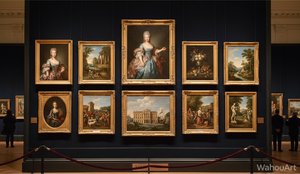
18th Century Masters: 10 Artworks That Define an Era | OriginalUniqueArt
Journey through 18th century art! Explore 10 iconic paintings – from Rococo elegance to Neoclassical grandeur. Discover Fragonard, David & more. Find museum-quality reproductions and elevate your home decor on OriginalUniqueArt.com.
全球艺术品运输成本解析:OriginalUniqueArt.com 精准定价与精英藏家体验 (OriginalUniqueArt.com F.A.Q.)
OriginalUniqueArt.com F.A.Q. 解锁全球艺术品运输成本的秘密!精英藏家专属,我们提供透明定价、安全可靠的物流服务和定制化解决方案。了解如何保障您的珍贵艺术品,尽享无忧收藏体验。