
 效果预览
效果预览
 购买手绘画作
 分享
分享 分享
分享
 详情
详情

 下载
下载
 相似作品
相似作品 X射线
X射线 幻灯片播放
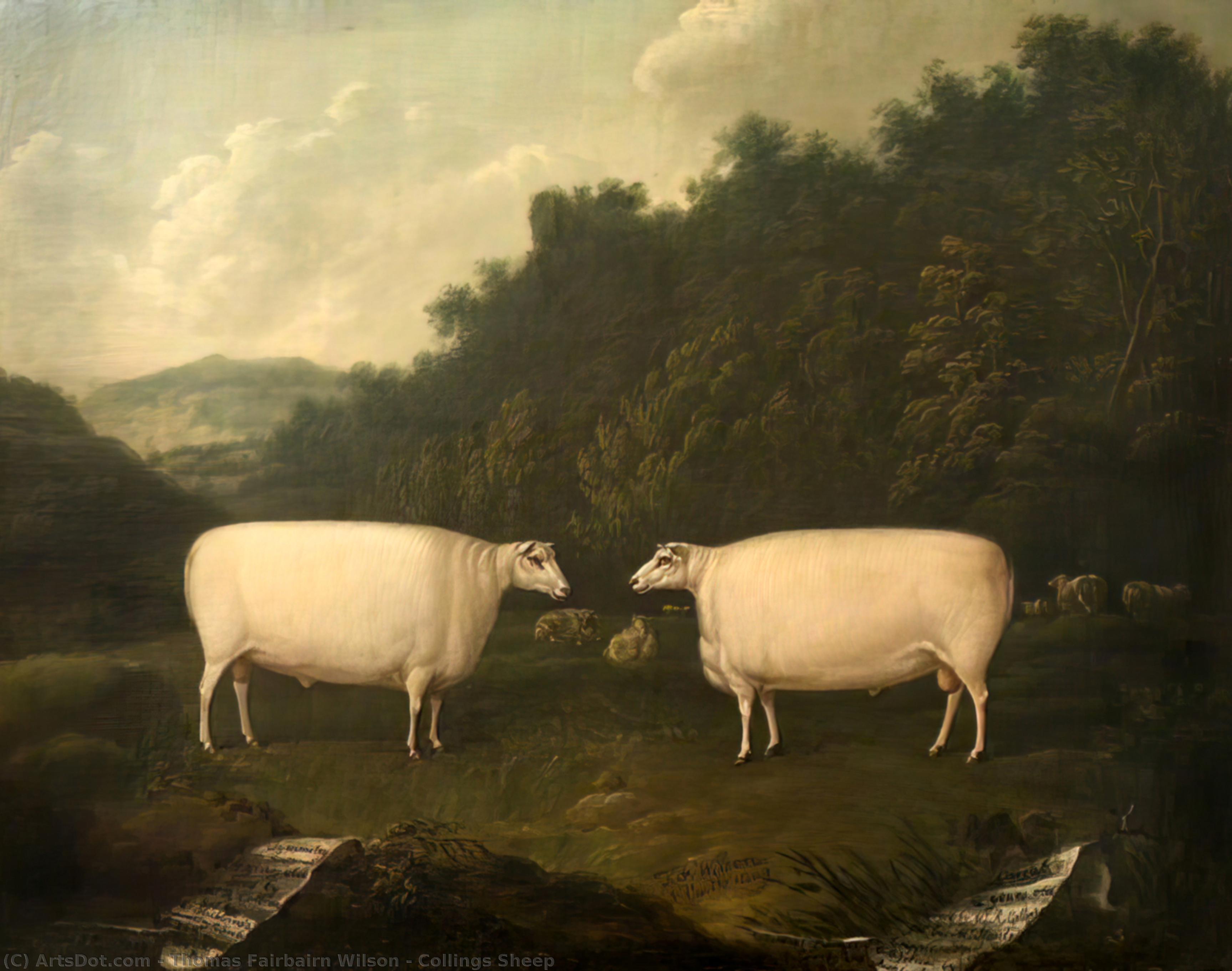
幻灯片播放Collings Sheep
 1809
1809 54.0 x 68.0 cm
Explore the works of Thomas Fairbairn Wilson, a renowned artist known for his detailed animal portraits and landscapes. Discover his significant contributions to art.
 展开详情
展开详情




































Standard
custom
CM
INCH
从与原作比例一致的预设尺寸中进行选择。
Loading sizes...

宽度
高度
您可以输入自定义尺寸,以适配特定的画框或空间。如果您选择的尺寸与原图比例不符,我们将对作品进行裁剪,或通过镜像填充/纯色填充边缘的方式来扩展图像。在开始制作之前,我们会向您发送一份数字效果图供您确认。
请注意,屏幕上的预览并不能反映实际的裁剪或扩展效果。只有效果图才能准确展示最终的构图。
虽然我们提供定制尺寸,但为了保持原图比例,我们建议您从预设列表中选择尺寸。


 玻璃选项仅适用于110厘米以下的尺寸。

Collings Sheep
艺术微喷/版画
复制品尺寸
-


最终总价
$ 80
艺术家简介
A Life Dedicated to Pastoral Detail: The World of Thomas Fairbairn Wilson
Thomas Fairbairn Wilson, a name perhaps less celebrated than some of his contemporaries, nevertheless occupies a significant niche in the history of 19th-century British art. Born and passing away in 1847, details surrounding his life remain somewhat elusive; however, his artistic legacy speaks volumes. He was a painter deeply committed to capturing the essence of rural England, specializing in meticulously rendered animal portraits and evocative landscapes. While biographical specifics are scarce, the body of work he left behind reveals an artist profoundly attuned to the beauty of the countryside and the creatures that inhabited it – particularly cattle. His paintings weren’t merely representations; they were celebrations of a way of life intrinsically linked to the land, executed with a skill that garnered him recognition during his time.Early Influences and Artistic Development
The artistic climate of early 19th-century England was one of transition. The Romantic movement still held sway, emphasizing emotion and the sublime power of nature, while a growing interest in realism began to take hold. Wilson’s work demonstrates a fascinating blend of these influences. His landscapes, such as “Drypool Green & St Peter’s Church” (1825), possess a romanticized tranquility, bathed in soft light and showcasing idyllic pastoral scenes. However, this isn't the dramatic, untamed wilderness favored by some Romantics; instead, it is a carefully observed depiction of rural life, grounded in tangible detail. It’s likely Wilson benefited from exposure to artists like John Constable, whose dedication to plein air painting and accurate representation of the English countryside profoundly influenced a generation. The precision with which he rendered his subjects suggests a strong foundation in observational skills, possibly honed through early training in topographical drawing or animal studies. His focus on Shorthorn cattle – a breed undergoing significant improvement during this period – indicates an engagement with agricultural advancements and the economic importance of livestock.Mastering the Animal Portrait: A Focus on Cattle
Wilson’s most enduring contribution lies in his exceptional animal portraits, particularly those featuring Shorthorn cattle. These weren't simply commissions for landowners; they were works that elevated farm animals to a level of artistic significance previously reserved for more traditional subjects like horses or sporting dogs. Paintings like “Two Shorthorn Cattle: The White Heifer Which Travelled and Red Rose” exemplify his skill. He captured not just the physical likeness of these animals, but also their individual character and presence. His technique involved meticulous attention to anatomy, texture, and light, resulting in paintings that are remarkably lifelike. The artist’s ability to convey a sense of weight, muscle tone, and even personality within his subjects is truly remarkable. He often depicted cattle in natural settings, further enhancing the realism and charm of his work. The inclusion of detailed backgrounds – fields, barns, and rural landscapes – adds context and depth to the portraits, creating a complete visual narrative.Historical Significance and Lasting Legacy
Thomas Fairbairn Wilson’s art provides valuable insight into 19th-century British society and its relationship with the land. His paintings reflect the growing importance of agriculture and livestock breeding during this period, as well as a broader appreciation for rural life. He captured a moment in time – a way of life that was rapidly changing due to industrialization and urbanization. While not achieving widespread fame on par with some of his contemporaries, Wilson’s work found a dedicated audience among landowners and agricultural enthusiasts who valued his ability to immortalize their prized animals. Today, his paintings are appreciated for their technical skill, historical significance, and evocative depiction of the English countryside. His contribution lies in elevating animal portraiture to an art form, demonstrating that beauty and artistic merit can be found in even the most humble subjects. His work continues to resonate with those who appreciate a meticulous attention to detail and a genuine love for the natural world.
艺术家简介
- Artistic Movement Or Style: Animal painting, Landscape
- Date Of Death: 1847
- Full Name: Thomas Fairbairn Wilson
- Notable Artworks:
- Drypool Green & St Peter’s Church
- Collings Sheep
- Two Shorthorn Cattle

