

 实景预览
实景预览
 发送
发送 分享
分享
 详情
详情 指南
指南

 下载图片
下载图片
 相似作品
相似作品 X射线
X射线 幻灯片播放
幻灯片播放 统计数据
统计数据Little Bather
 Oil On Canvas
- WallArt
- Romanticism
 1849
1849 117.0 x 90.0 cm
 冬宫博物馆 (Hermitage Museum)
 阅读全文
阅读全文
艺术微喷/版画
博物馆级艺术微喷或帆布版画,制作高效,并提供多种饰面选择。 ( 订购此收藏品的纯手工复刻画作 切换至数字图像销售渠道)




P118B ¥10

P118H ¥10

P118W ¥10

P438Z ¥10

P508JH ¥12

P508YH ¥12

P805H ¥10

P805Z ¥10

P919BZ ¥10

P919G ¥10

P919XJ ¥10

P959ZH ¥10

P968JZ ¥12

W106C ¥8

W218G ¥10

W218JH ¥8

W218Y ¥10

W307PJ ¥10

W316G ¥10

W316PJ ¥8

W316Y ¥10

W398PJ ¥8

W4111J ¥10

W500HY ¥15

W500JH ¥15

W692G ¥12

W849H ¥8

W940BG ¥15

W953PJ ¥8




您可以从与原作比例一致的预设尺寸中进行选择。

请输入您所需的宽度和高度,以适配您的画框或墙面。由于印刷品只能进行裁剪,无法超出原图尺寸,因此若比例不一致,画面的一部分将会被裁切。在正式印刷之前,我们会为您发送一份数字效果图供您确认。本页面显示的图片并非最终裁剪后的效果——只有效果图才能展示真实的裁剪情况。


 玻璃选项仅适用于110厘米以下的尺寸。

Little Bather
艺术微喷/版画
复刻品尺寸说明
-


总计金额
¥ 538
A Moment of Quietude: Thomas Couture’s “Little Bather”
Thomas Couture's "Little Bather," painted in 1849, is more than just a depiction of a young girl reclining amongst the trees; it’s a carefully constructed tableau brimming with Romantic sensibility and subtle social commentary. This intimate scene, measuring 117 x 90 cm, captures a fleeting moment of serene contemplation, inviting viewers to ponder themes of innocence, vulnerability, and the evolving role of women in 19th-century France. The painting’s power lies not just in its aesthetic beauty but also in the layers of meaning woven into its composition – from the deliberate use of light and shadow to the symbolic presence of scattered apples.
Couture, a pivotal figure bridging Romanticism and Realism, was a rebel within the rigid confines of the École des Beaux-Arts. Frustrated by repeated rejections for the prestigious Prix de Rome, he established his own atelier, fostering an environment where artistic freedom and innovation were prioritized over strict academic adherence. This independent spirit is palpable in “Little Bather,” which eschews the idealized nudes favored by many contemporary artists, opting instead for a more naturalistic portrayal of youthful beauty. The girl’s pose—legs crossed, head slightly tilted—suggests both repose and quiet observation, a deliberate departure from the overtly sensual depictions prevalent at the time.
The Language of Light and Color
Couture masterfully employs light to shape the narrative of the painting. A diffused, golden glow bathes the girl’s figure, highlighting her delicate features and creating an atmosphere of warmth and tranquility. The dappled sunlight filtering through the trees adds a sense of depth and realism, grounding the scene in a tangible environment. The artist's use of color is equally deliberate; the muted tones of the earth—browns, greens, and ochres—are punctuated by the vibrant reds and yellows of the scattered apples. These fruits, traditionally associated with temptation and knowledge, introduce an element of symbolic complexity, subtly hinting at a deeper narrative.
The placement of the apples is particularly noteworthy. They are not simply decorative elements but strategically positioned to draw the eye and create visual interest. Their proximity to the girl’s body suggests a connection between innocence and earthly delights—a delicate balance between purity and worldly experience. Furthermore, their varied colors – crimson, yellow, and green – mirror the hues of the surrounding foliage, seamlessly integrating them into the overall composition.
Historical Context and Artistic Intent
“Little Bather” was painted during a period of profound social and political upheaval in France—the years leading up to the Revolution of 1848. Couture’s decision to depict a nude child within this context is significant, challenging conventional notions of childhood innocence and inviting viewers to consider the changing attitudes towards women and sexuality. The painting can be interpreted as a subtle critique of societal expectations placed upon young girls—a plea for recognition of their inherent dignity and autonomy.
Interestingly, Couture’s work aligns with the broader Romantic movement's fascination with nature, emotion, and the sublime. However, unlike many Romantic artists who sought to evoke grand, awe-inspiring landscapes, Couture focuses on a more intimate and personal experience—the quiet beauty of a single moment in time. His meticulous attention to detail, combined with his expressive use of light and color, creates a work that is both visually stunning and emotionally resonant.
A Reproduction for the Home
OriginalUniqueArt offers meticulously hand-painted reproductions of “Little Bather,” capturing the essence of Couture’s original masterpiece. Our artists replicate the painting's nuanced details—from the delicate texture of the girl’s skin to the subtle variations in color—with unparalleled precision. Unlike mass-produced prints, our reproductions are created using genuine oil paints on canvas, ensuring a timeless quality and an authentic artistic experience. Each reproduction is a testament to Couture’s legacy, bringing this evocative image into your home or studio with exceptional fidelity.
Whether you're an art enthusiast, a collector seeking a unique addition to your collection, or simply someone who appreciates the beauty of fine art, OriginalUniqueArt’s “Little Bather” reproduction offers a captivating glimpse into the world of 19th-century French painting. Explore our selection and bring this timeless masterpiece into your life.
问答详情
哪里可以买到托马斯·库尔图瓦 (Tuōmǎsī·Kù'Ěrtuówǎ) 的《Little Bather》的手绘复制品?
您可以通过亚麻画布手工绘制油画复制品来订购《Little Bather》的手绘复制品。您可以前往其手工油画复刻页面进行下单,并根据需求选择不同的尺寸。
“Little Bather”代表了托马斯·库尔图瓦 (Tuōmǎsī·Kù'Ěrtuówǎ)艺术生涯的哪个阶段?
在托马斯·库尔图瓦 (Tuōmǎsī·Kù'Ěrtuówǎ)的艺术生涯中,"Little Bather"创作于Mature Period时期。这一阶段有助于将其与艺术家的其他作品进行比较。
在 1849 年创作“Little Bather”时,托马斯·库尔图瓦 (Tuōmǎsī·Kù'Ěrtuówǎ) 的年龄是多少?
托马斯·库尔图瓦 (Tuōmǎsī·Kù'Ěrtuówǎ) 在 1849 年创作《Little Bather》时,年龄为 34 岁。该年龄是根据艺术家的出生年份 1815 计算得出的。
艺术家简介
一位叛逆者的工坊:托马斯·库图尔的生平和遗产
1815年,托马斯·库图尔出生于法国塞纳利斯。他是一位关键人物,连接了浪漫主义和现实主义——一位敢于挑战学院传统,同时又精通其技巧的画家。早年,他随家人搬到巴黎,最初在École des Arts et Métiers学习,后来进入著名的École des Beaux-Arts深造。然而,库图尔的道路并非一帆风顺;他在竞争Prix de Rome奖项中屡次失败,而该荣誉本可以为他在罗马学院获得一个令人垂涎的居住权。但他并没有接受失败,这些挫折反而增强了他对现有体制存在缺陷的信念,促使他开辟了自己的艺术道路,并最终成立了一个独立的工坊——一个为那些寻求替代传统教学方式的人们提供的避风港。帝国的衰落与新的艺术视野
库图尔的突破之作是《罗马帝国衰落时期》(1847年),这部巨幅作品在巴黎沙龙引起了赞誉和争议。这幅画不仅仅是对历史的描绘;它是一部辛辣的社会评论,灵感来自Juvenal的讽刺著作,描绘了罗马社会的道德败坏和奢靡放纵。画面充满着不受约束的沉溺感,人物身披华丽的织物,矗立在古典废墟之中——这种刻意的对比旨在反映第二共和国时期法国社会被认为的颓废状态。库图尔娴熟地运用明暗对比,采用丰富的深色调和引人注目的高光,进一步增强了作品的戏剧效果和象征意义。这幅画的成功巩固了他作为领先艺术家的声誉,并使他成为艺术界一股不可忽视的力量。它不仅仅是技术上的精湛;更是一种对文明状态的大胆声明。培养巨匠:塑造未来一代
除了自身的艺术成就外,库图尔的影响还深刻地体现在他的教育角色上。他向一群充满抱负的艺术家敞开了工坊的大门,摒弃了École des Beaux-Arts的严格约束,营造了一种鼓励实验和批判性思维的环境。在他的众多学生中,有许多名字后来成为了现代艺术的代名词:爱德华·马奈,他对绘画的革命性方法受益于库图尔对色调价值和表现力笔触的强调;亨利·凡丁-拉图尔,以其静物画和艺术家肖像而闻名;皮埃尔·普维斯·德·夏凡纳斯,一位象征主义先驱;以及约翰·拉法格,一位在彩色玻璃创新领域的开拓者。库图尔的教学方法非常规,鼓励学生发展自己的独特声音,同时让他们掌握草图和构图的基础知识。“快速绘画”,他倡导这种技法,预示了后来印象派所采用的技术,并强调从生活中直接观察的重要性。晚年与持久的影响
1860年,库图尔对巴黎艺术界感到幻灭,退回到他的家乡塞纳利斯,在那里他继续教学和绘画。他在《方法与工坊访谈》(1867年)中阐述了他的艺术哲学——一部批判学院教条并倡导一种更直观和富有表现力的艺术创作方法的著作。这部作品后来被翻译成英文,名为《关于艺术方法的对话》,为他的教学原则和艺术信仰提供了宝贵的见解。尽管他一生都在挑战既定规范而受到批评,但库图尔对现代艺术发展的影响是不可否认的。他培养了一代敢于打破传统的艺术家,为定义19世纪末和20世纪初激进创新的道路铺平了道路。他的遗产不仅体现在他自己引人入胜的绘画中,还体现在他对艺术史上一些最重要的重要人物所产生的持久影响中。库图尔是一位真正的教育家和创新者,他的工坊成为了现代艺术思想的摇篮。
托马斯·库尔图瓦 (Tuōmǎsī·Kù'Ěrtuówǎ)
1815 - 1879 , 法国
快速概览
- Artistic Movement Or Style: 浪漫主义与现实主义
- Artists Or Movements Influenced By This Artist:
- 爱德华·马奈
- 亨利·凡丁-拉图尔
- 皮埃尔·普维斯·德·夏凡
- Artists Who Influenced This Artist:
- 安托万-让·格罗
- 保罗·德拉罗什
- Date Of Birth: 1815年12月21日
- Date Of Death: 1879年3月30日
- Full Name: 托马斯·库图尔
- Nationality: 法国国籍
- Notable Artworks (List Of Titles):
- 罗马帝国衰落
- 决斗之后
- 律师出庭
- Place Of Birth (City And Country): 法国桑利斯
相关文章

Anne-Louis Girodet: Bridging Neoclassicism & Romanticism with Emotional Truth
Explore the captivating world of Anne-Louis Girodet, a pivotal figure bridging Neoclassicism & Romanticism. Discover his masterpieces and unique artistic vision with OriginalUniqueArt.
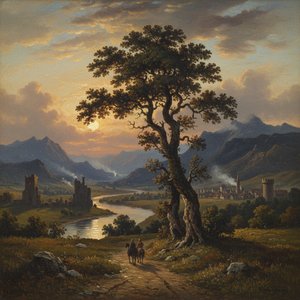
Paul Huet: Capturing the Essence of French Romanticism Through Light and Landscape
Explore the captivating world of Paul Huet (1803-1869), a master of French Romantic landscape painting. Discover his influence on Barbizon & Impressionism, and browse high-quality reproductions at OriginalUniqueArt.

The Eloquent Form: A Historical & Aesthetic Exploration of the Nude in Art
Explore the captivating history of the nude in art! From ancient Greece to modern masters, discover its evolving symbolism, techniques & enduring beauty. Expert insights for collectors and enthusiasts.
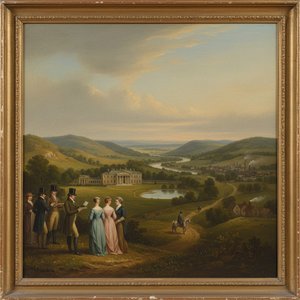
Thomas Barker of Bath: Landscape Painting & Societal Reflection in Early 19th-Century England
Explore the life & work of Thomas Barker of Bath, a key figure in 19th-century English Romanticism. Discover his Parisian success, iconic paintings like 'The Bride of Death', and lasting artistic legacy. Learn more at OriginalUniqueArt.

The Enduring Allure of the Nude: A Historical & Artistic Exploration of the Human Form
Explore the captivating history of nude art! Discover iconic paintings & artists from classical to modern eras. Uncover symbolism, techniques & find museum-quality reproductions at OriginalUniqueArt.


