
 实景预览
实景预览
 发送
发送 分享
分享
 详情
详情 指南
指南

 下载图片
下载图片
 相似作品
相似作品 X射线
X射线 幻灯片播放
幻灯片播放 统计数据
统计数据Mary Phipps

 阅读全文
阅读全文
购买高分辨率增强版数字图像,其品质远超在线预览。
每一份文件都由我们的内部专家使用先进工具与专业的后期润色技术精心打造。我们确保每一张图像都具备卓越的清晰度、精准的色彩还原度以及细腻的细节表现。
最终文件将在 72 小时内通过电子邮件交付,并针对专业、编辑及印刷用途进行了优化。其品质与顶级设计工作室、出版社和画廊所信赖的标准完全一致。
数字图像
下载高分辨率文件,用于个人展示、打印及创意项目。 ( 切换至版画销售渠道 订购此收藏品的纯手工复刻画作)
每份数字图像订单均包含的内容
专业级数字交付,品质无忧
选择 OriginalUniqueArt.com,您获得的不仅仅是一张图像——您收到的是经过专业级增强、精雕细琢的数字艺术作品,并享有满意保证。以下是您的订单中自动包含的所有内容:

即时邮件交付
您的高分辨率数字图像文件将在下单后 72 小时内通过电子邮件发送给您 —— 即可立即使用。

AI 增强型数字图像
您的艺术品经过专业优化,结合先进的 AI 技术与人工修饰,确保呈现极致的细节、清晰度与色彩准确度。

终身免费重发服务
不小心删除了文件或找不到了?没关系——我们将随时为您免费重发。

无需进口税费,始终如一
即刻拥有您的艺术作品,无需支付任何关税、税费或运费——数字下载始终免税。

色彩精准保障
我们通过专业工具与色彩管理技术,确保您的数字图像尽可能真实地还原原作色彩。

100天满意保证
如果您对所购数字图像不满意,我们将在100天内为您进行修改或提供100%的全额退款——无需任何理由。

100% 退款保证
不满意?在收到数字文件后的100天内,您可以申请全额退款——无需任何理由。

批量订购优惠
购买 3 张享 10% 折扣 - 购买 5 张享 15% 折扣 - 购买 10 张以上享 20% 折扣。非常适合创意项目、画廊及机构使用。
Artist Background
Thomas Bardwell was a British painter born in 1704. He established himself as a decorative painter and later focused on portrait painting, developing a style reminiscent of Thomas Hudson and Van Dyck. His work can be found in various collections, including the University of Oxford.The Painting
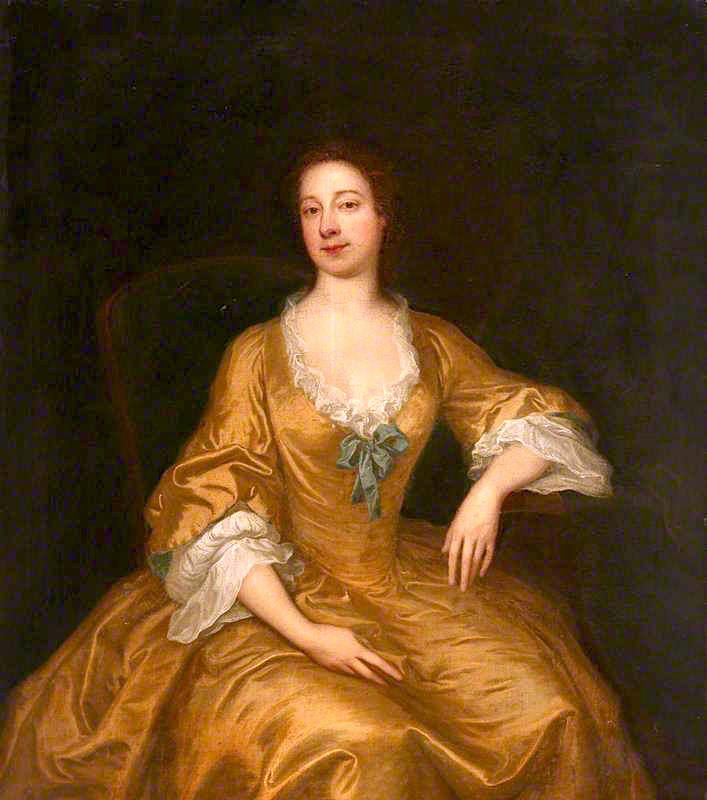
The Mary Phipps portrait showcases the subject's elegance and refinement. The woman is depicted sitting in a chair, wearing a yellow dress with a blue bow around her neck. Her long hair is styled in an intricate manner, and her expression is one of calmness and serenity. The background of the painting is simple, yet effective, allowing the viewer to focus on the subject.- The painting measures 76 x 64 cm, making it a substantial piece.
- The use of oil on canvas allows for rich colors and textures.
- The subject's attire and hairstyle are characteristic of the time period.
The Mary Phipps portrait is a remarkable example of 18th-century portraiture, and its beauty and significance can be appreciated by art lovers around the world. Whether you are an avid collector or simply someone who appreciates fine art, this painting is sure to captivate and inspire.
问答详情
Thomas Bardwell 的《Mary Phipps》 这件作品的色调是明亮的还是深沉的?
就视觉亮度而言,Thomas Bardwell 的《Mary Phipps》 呈现出 deep_shadow 的效果。
哪里可以买到Thomas Bardwell 的《Mary Phipps》的手绘复制品?
Thomas Bardwell 的《Mary Phipps》 的手绘复制品正在 本网站 发售:您可以通过其 手工油画复刻 页面进行订购:亚麻画布手工绘制油画复制品。
Thomas Bardwell 的《Mary Phipps》 是否属于公有领域?
关于版权,"Mary Phipps" 属于 属于公有领域 —— 其版权已过期。
艺术家简介
Early Life and Apprenticeship
Thomas Bardwell, born in 1704, emerged from a family deeply rooted in the decorative arts rather than the established world of fine painting. His initial foray into artistry wasn’t through formal training but within the practical demands of his family's business in Bungay, Suffolk. He began by crafting painted panels – functional embellishments that nonetheless required a keen eye for composition and color. This early experience, though seemingly humble, laid a crucial foundation for his later success. It instilled in him a meticulous approach to craft and an understanding of the visual impact of imagery, even before he consciously aspired to be a portraitist. The earliest documented works, conversation pieces from 1736 – notably one potentially depicting the Brewster family of Beccles now held by the Geffrye Museum – offer glimpses into this formative period. These paintings, intimate scenes capturing familial life, reveal an emerging talent for characterization and narrative detail, hinting at a sensibility that would blossom in his more ambitious commissions.Breaking New Ground in Norwich
Bardwell’s trajectory took a significant turn in 1746 when he secured a commission from the Artillery Company of Norwich to paint William Crowe, who was soon to become mayor. This wasn't merely another portrait; it represented a challenge to the established artistic order within the city. Until then, John Theodore Heins, a German-born artist, had held a virtual monopoly on civic portraiture in Norwich. Bardwell’s success in capturing Crowe’s likeness – and securing this prestigious commission – effectively broke that hold, marking him as a formidable new presence on the local art scene. This initial triumph led to a series of nine portraits for St Andrew's Hall in Norwich, solidifying his reputation and establishing a distinctive style favored by the city’s prominent citizens. He wasn’t simply painting faces; he was becoming an integral part of documenting Norwich society itself.London Commissions and Allegorical Depth
The 1740s and 50s saw Bardwell extend his reach to London, where he undertook a variety of portrait commissions. However, it was during this period that he ventured beyond straightforward representation, demonstrating an ambition for more complex allegorical works. Joshua Ward Receiving Money from Britannia (and bestowing it as charity on the needy), painted in 1748 and now residing within the Royal College of Surgeons’ collection, stands as a prime example. This painting isn't just a portrait of Dr. Joshua Ward; it’s a carefully constructed visual narrative. The symbolic figures of Britannia and Charity flanking Ward, coupled with the throng of grateful patients, elevate the work beyond mere likeness to a celebration of philanthropy and civic virtue. An engraving after this piece, likely by Bernard Baron, further disseminated his imagery and influence. This period reveals Bardwell's growing sophistication in using symbolism to imbue his portraits with deeper meaning, moving him away from purely descriptive representation towards works that actively engaged with moral and social themes.Yorkshire, Scotland, and a Return to Norwich
Bardwell’s artistic journey wasn’t confined to the south of England. Between 1752 and 1753, he embarked on an extensive series of commissions in Yorkshire and Scotland, broadening his exposure to different patrons and regional styles. This period likely influenced his technique and further refined his ability to adapt to diverse aesthetic preferences. However, by 1759, Bardwell made the decision to settle permanently in Norwich. He became a central figure within the city’s artistic community, celebrated for his skill and dedication. An obituary published in a local newspaper lauded him as “an eminent portrait painter…who principally through the power of genius and dint of application, acquired a degree of perfection in his art.”Legacy and Theoretical Contributions
Bardwell’s impact extended beyond the canvas. In 1756, he published The Practice of Painting and Perspective Made Easy, a 64-page treatise dedicated to the Earl of Rochford. This work wasn't merely a technical manual; it reflected his own artistic philosophy and offered practical guidance for aspiring painters. It demonstrates a commitment to sharing his knowledge and promoting the art of painting beyond his immediate circle. According to a general history of Norfolk published in 1829, “the best of his portraits are at Langley,” with works by Turner and Carr also noted as holding historical subjects painted by Bardwell. While perhaps not achieving the widespread fame of some of his contemporaries, Thomas Bardwell carved out a significant niche for himself as a skilled portraitist, a breaker of artistic monopolies, and a thoughtful contributor to the discourse surrounding painting in 18th-century England. His legacy resides not only in the faces he captured but also in the enduring quality of his craftsmanship and his dedication to elevating the art of portraiture within his community.
Thomas Bardwell
1704 - 1767
概览
- Full Name: Thomas Bardwell
- Nationality: English
- Date Of Birth: 1704
- Date Of Death: 1767
- Place Of Birth: Bungay, Suffolk
- Notable Artworks:
- Joshua Ward Receiving Money from Britannia
- Sir Thomas Churchman
- Artistic Movement Or Style: Portraiture
- Artists Who Influenced This Artist: ['John Theodore Heins']
- Artists Or Movements Influenced By This Artist: ['Romanticism']