

 实景预览
实景预览
 发送
发送 分享
分享
 详情
详情 指南
指南

 下载图片
下载图片
 相似作品
相似作品 X射线
X射线 幻灯片播放
幻灯片播放 统计数据
统计数据Self-Portrait
 Oil On Canvas
- WallArt
- Romanticism
 1835
1835 99.0 x 82.0 cm
 卢浮宫
卢浮宫
 阅读全文
阅读全文
手工油画复制品
由我们的艺术家按需定制,为您提供您所选尺寸及画框的布面手工油画。 ( 切换至版画销售渠道 切换至数字图像销售渠道)




P118B ¥10

P118H ¥10

P118W ¥10

P438Z ¥10

P508JH ¥12

P508YH ¥12

P805H ¥10

P805Z ¥10

P919BZ ¥10

P919G ¥10

P919XJ ¥10

P959ZH ¥10

P968JZ ¥12

W106C ¥8

W218G ¥10

W218JH ¥8

W218Y ¥10

W307PJ ¥10

W316G ¥10

W316PJ ¥8

W316Y ¥10

W398PJ ¥8

W4111J ¥10

W500HY ¥15

W500JH ¥15

W692G ¥12

W849H ¥8

W940BG ¥15

W953PJ ¥8




您可以从与原作比例一致的预设尺寸中进行选择。

请输入您需要的宽度和高度,以适配您的画框或墙面。由于作品为手工绘制,若您选择不同的尺寸比例,艺术家可能会在画面边缘多画一些或稍作裁剪 —— 由您决定。在开始绘画之前,我们会为您发送一份数字效果图供您确认。本页面上展示的图片并非最终实物 —— 只有效果图才能反映真实结果。
下单后,OriginalUniqueArt.com 团队将通过电子邮件联系客户获取具体要求,并提供效果预览图


 玻璃选项仅适用于110厘米以下的尺寸。

Self-Portrait
复制品材质
复刻品尺寸说明
-


总计金额
¥ 2016
The Enigmatic Self: Théodore Chassériau’s “Self-Portrait in a Redingote”
Théodore Chassériau's 1835 oil on canvas, "Self-Portrait in a Redingote," is more than just a likeness; it’s a carefully constructed tableau of restrained elegance and subtle introspection—a window into the mind of a young artist grappling with his artistic identity within the context of 19th-century Parisian society. Housed within the prestigious Musée du Louvre, this painting immediately draws the viewer in with its dark palette and the commanding presence of the subject, a young man radiating an almost melancholic intensity.
The work firmly anchors itself within the Romantic movement, yet it subtly resists simple categorization. While undeniably influenced by the dramatic flair of Eugène Delacroix – particularly evident in the dynamic lighting and the suggestion of movement – Chassériau retains a core Neoclassical discipline, meticulously rendered lines defining the sharp angles of his suit jacket and the precise contours of his face. This duality reflects the artist’s own journey: initially trained under the rigorous tutelage of Jean-Auguste-Dominique Ingres, he ultimately forged his own path, embracing a more expressive and emotionally charged style.
A Study in Light and Shadow – Technique and Composition
Chassériau's masterful technique is immediately apparent. The painting’s composition centers around the subject, occupying nearly the entire frame, creating an intimate and almost claustrophobic effect. He stands in a three-quarter pose, his gaze directed slightly to the left, inviting the viewer into his world. A subtle yet significant detail—a microphone stand discreetly positioned behind him on the left – hints at a performance context, perhaps suggesting Chassériau’s burgeoning career as a stage designer or illustrator, alongside his painting endeavors. The artist employs a layering technique, building up color and texture through numerous thin glazes of oil paint, resulting in a remarkably smooth surface—a testament to his dedication and skill.
The lighting is particularly noteworthy. It originates from an unseen source on the left side, casting soft, directional shadows across the subject’s face and subtly highlighting the textures of his clothing. This strategic use of light not only adds depth and volume but also contributes significantly to the painting's overall mood—a blend of formality and quiet contemplation. The careful blending of tones creates a sense of atmospheric perspective, drawing the eye deeper into the scene.
Symbolism and Emotional Resonance
Beyond its technical brilliance, “Self-Portrait in a Redingote” is rich in symbolic meaning. The formal black suit, impeccably tailored, speaks to Chassériau’s ambition and his desire for recognition within the established artistic circles of Paris. However, the slightly downturned mouth and the introspective gaze suggest a deeper layer of complexity—a hint of melancholy or perhaps even disillusionment with the constraints of academic art. The red bow tie, a vibrant splash of color against the predominantly dark palette, could represent passion, creativity, or simply a deliberate assertion of individuality.
The painting’s overall effect is one of restrained elegance and quiet introspection. It's not a flamboyant self-celebration but rather a carefully considered portrait of an artist grappling with his identity and place in the world—a poignant reflection on the challenges and rewards of pursuing a creative life. The subtle sadness in his eyes invites us to contemplate the burdens of artistic ambition, while the formality of his attire suggests a desire for respectability and recognition.
A Legacy of Romanticism – Historical Context
Created during a period of significant social and political upheaval—the aftermath of the Napoleonic Wars and the rise of Romanticism—Chassériau’s work reflects the movement's emphasis on emotion, individualism, and the sublime. His Creole heritage, born in the Dominican Republic and raised in Paris, undoubtedly informed his artistic vision, providing him with a unique perspective on both European and Caribbean cultures. This background is reflected in his interest in Orientalist themes – particularly evident in later works – and his willingness to challenge conventional artistic norms.
Chassériau’s trajectory—from student of Ingres to independent Romantic artist—is itself a compelling narrative, illustrating the tensions between tradition and innovation within 19th-century art. “Self-Portrait in a Redingote” stands as a powerful testament to his artistic evolution and a captivating glimpse into the mind of a brilliant but often overlooked talent.
问答详情
泰奥多·沙塞留 的《Self-Portrait》 的版权情况是如何界定的?
"Self-Portrait" 的版权状态 —— 属于公有领域 —— 其版权已过期 —— 取决于艺术家于 1856 年逝世这一事实。
我可以在全屏幻灯片模式下观看“Self-Portrait”吗?
提供幻灯片浏览:查看 泰奥多·沙塞留 的《Self-Portrait》 的 幻灯片播放 页面。
"Self-Portrait" 有艺术版画出售吗?
“Self-Portrait”可通过 采用棉质帆布或档案级画布纸制作的艺术版画 进行购买。您可以在其 艺术版画 页面上根据您的需求选择尺寸并下单。
艺术家简介
克里奥尔式的浪漫主义者:泰奥多·沙塞留的生命与艺术
1819年9月20日,泰奥多·沙塞留出生于多米尼加共和国萨马纳那片热带阳光的沐浴之下,他的生命本身就是文化与艺术流派交织的迷人篇章。他的父亲贝努瓦·沙塞留是一位在复杂的加勒比政治中穿梭的法国外交官;而他的母亲玛丽亚·玛格达莱娜·库雷特·德·拉·布拉涅耶则出身于一个根植于海地与法国的家族——这种血统赋予了年轻的泰奥渡一种独特的视角。这种克里奥尔式的文化遗产深刻地塑造了他的艺术愿景,使他在众多同辈艺术家中脱颖而出。1820年,随着全家迁往巴黎,沙塞留开始了正式的艺术训练,并在让-奥古斯特-多米尼克·安格尔的教导下,沉浸于新古典主义严谨的传统之中。安格尔敏锐地察觉到了这位年轻艺术家身上罕见的天赋,将其收为得意门生,并向他传授了对线条、形态及古典构图的精湛掌控——即便后来沙塞留踏入了全新的艺术领域,这种深厚的功底依然贯穿于他的整个艺术生涯。连接世界:从新古典主义到浪漫主义表达
起初,沙塞留忠实地遵循着安格尔那近乎苛刻的标准,创作出以精准素描和理想化形态为特征的作品。然而,随着浪漫主义运动的兴起,其对情感、戏剧性和个人表达的强调产生了一种不可抗拒的吸引力。欧仁·德拉克罗瓦那充满活力的色彩运用与动态构图对他产生了尤为深远的影响,引发了沙塞留艺术风格的转变。他开始尝试更松散的笔触、更丰富的色调以及更具情感冲击力的题材。这并非是对早期训练的简单背弃,而是一种融合——一种将新古典主义的精确性与浪漫主义的热情进行大师级结合的尝试。沙塞留不仅是借鉴了德拉克罗瓦的风格,更是吸收了他的灵魂,锻造出一种独特的艺术语言,使他能够以精湛的技术和情感深度去探索复杂的课题。1846年的阿尔及利亚之行进一步推动了这一演变,让他接触到了异域风情的景观、绚烂的文化以及动人心魄的人间故事,这些元素随后成为了他作品的核心。遗产与影响:通往现代性的桥梁
1856年10月8日,泰奥多·沙塞留因病英年早逝,年仅三十七岁,这虽然令其充满希望的艺术生涯戛然而止,但他对艺术界的影响却是深远的。他充当了新古典主义与浪漫主义之间至关重要的桥梁,证明了这两种看似对立的风格可以共存并相互成就。他的作品影响了后来的艺术家,如瓦迪姆·穆齐卡,后者便非常钦佩他将古典技法与情感表达完美融合的能力。此外,沙塞留对东方主义主题的探索,也促成了艺术界对北非和中东地区更广泛的关注,为后代艺术家探索这些地域与文化铺平了道路。他并非单纯地模仿德拉克罗瓦或安格尔,而是在开辟属于自己的道路——一条兼顾传统与创新、精准与激情的道路。他的遗产在于能够将多元的影响汇聚成一种独一无二的个人风格,这种风格至今仍令观众着迷并深受启发。持久的印记
在19世纪法国绘画史上,沙塞留始终是一位举足轻重的人物,被公认为当时最具天赋的浪漫主义艺术家之一。他的画作为我们洞察那个时代的文化与艺术趋势提供了宝贵的窗口——包括对异域景观日益增长的兴趣、古典理想与浪漫情感之间的张力,以及艺术家在社会中不断演变的角色。他是一位敢于超越既定传统、审视未知的画家,他拥抱了自己的克里奥尔血统,也接纳了塑造其视野的各种多元影响。他的作品证明了艺术拥有跨越文化、风格与情感边界的力量,并能将我们与人类普遍的情感体验紧密相连。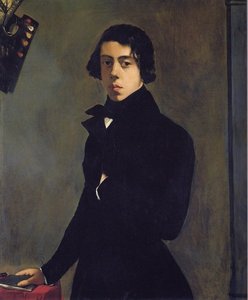
泰奥多·沙塞留
1819 - 1856 , 多米尼加共和国
快速概览
- Artistic Movement Or Style: 浪漫主义, 新古典主义
- Artists Or Movements Influenced By This Artist: ['Vadim Muzika']
- Artists Who Influenced This Artist:
- 安格尔 (Ingres)
- 德拉克罗瓦 (Delacroix)
- 鲁本斯 (Rubens)
- Date Of Birth: 1819年9月20日
- Date Of Death: 1856年10月8日
- Full Name: 泰奥多尔·沙塞留 (Théodore Chassériau)
- Nationality: 法国
- Notable Artworks:
- 《黛丝德蒙娜》
- 《君士坦丁的场景》
- 《拉图-莫堡伯爵夫人》
- 《离开浴池的摩尔妇女》
- 《君士坦丁哈里发·阿里·本·艾哈迈德》
- Place Of Birth: 多米尼加共和国,萨马纳
相关文章

Oil on Canvas: A Historical & Technical Exploration of a Timeless Artistic Medium
Explore the rich history & enduring techniques of oil painting on canvas. Discover the science behind its longevity, conservation practices, and contemporary relevance. Expert insights for art enthusiasts.

The Enduring Legacy of Oil on Canvas: Technique, History & Aesthetic Impact
Explore the rich history & techniques of oil painting – from Renaissance masters to Impressionism. Discover pigments, layering methods, and why this timeless medium endures. Expert insights for artists & art enthusiasts.
Reflecting the Self: A History of Portraiture & Psychological Insight
Explore the fascinating history of self-portraiture from Renaissance masters like Dürer & Rembrandt to modern interpretations. Discover the psychological insights and artistic techniques behind these iconic works. Expert analysis for art enthusiasts.
卢浮宫25幅杰作:艺术、历史与家居灵感之旅 (Lúfu gōng 25 fú jiézuò: yìshù, lìshǐ yǔ jiājū línggǎn zhī lǚjí)
探索巴黎卢浮宫25幅传世名画!达芬奇、米开朗基罗等大师杰作背后的故事,文艺复兴与巴洛克艺术精髓尽收眼底。寻找家居装饰灵感,购买博物馆级艺术复制品,OriginalUniqueArt.com带您领略经典绘画之美。

The Enduring Power of Painting: A Historical & Contemporary Exploration of Form and Emotion
Explore the rich history & enduring techniques of oil painting with OriginalUniqueArt. Discover masterpieces, learn about art collecting, and find authentic handmade reproductions crafted by skilled artists.