
 效果预览
效果预览
 切换至手工绘画版
 分享
分享 分享
分享
 详情
详情

 下载
下载
 相似作品
相似作品 X射线
X射线 幻灯片播放
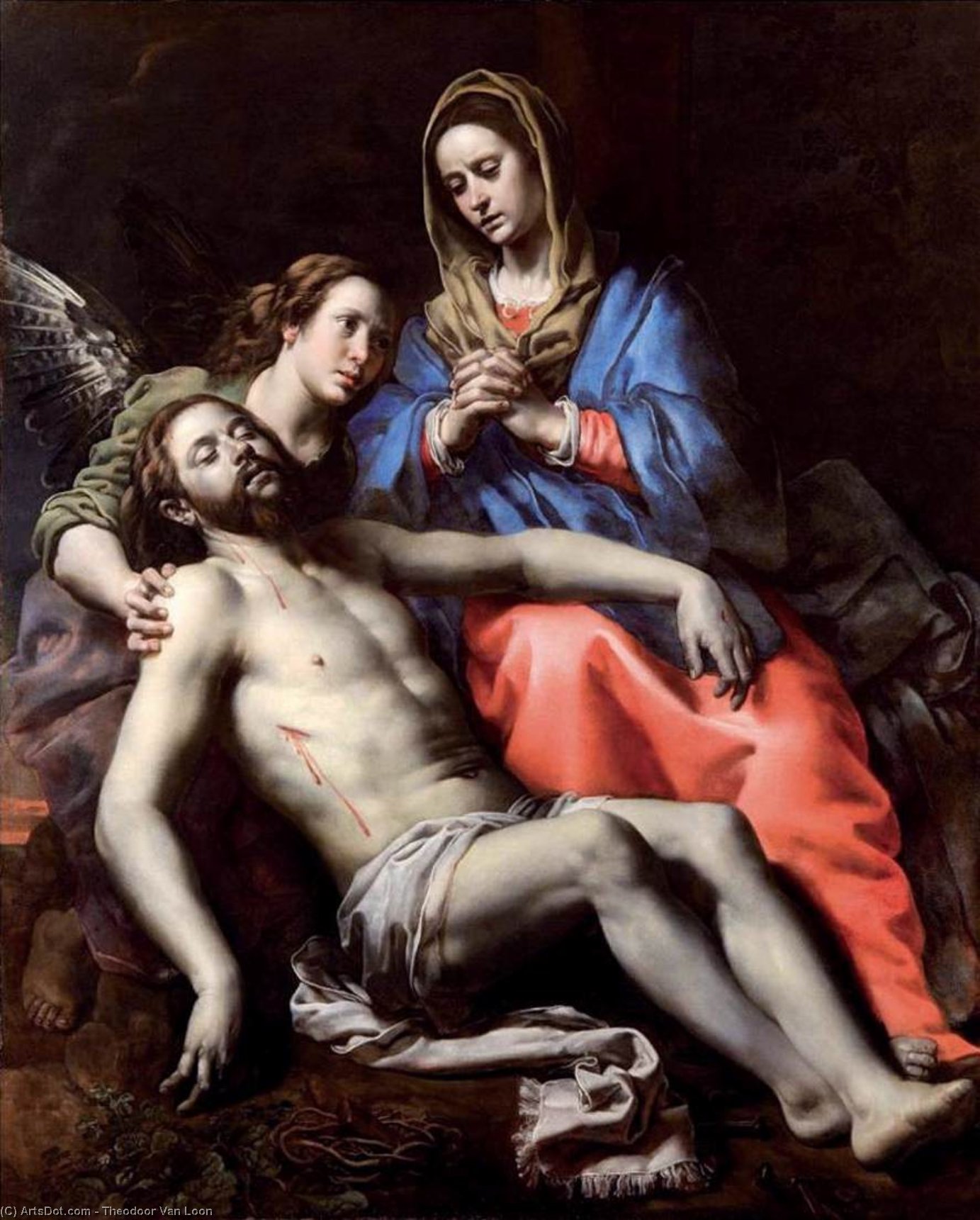
幻灯片播放Lamentation
 Oil On Canvas
- WallArt
- Baroque
 1623
1623- Early Modern
 152.0 x 124.0 cm
 朝圣者教堂
朝圣者教堂
 展开详情
展开详情




P118B $10

P118H $10

P118W $10

P438Z $10

P508JH $12

P508YH $12

P805H $10

P805Z $10

P919BZ $10

P919G $10

P919XJ $10

P959ZH $10

P968JZ $12

W106C $8

W218G $10

W218JH $8

W218Y $10

W307PJ $10

W316G $10

W316PJ $8

W316Y $10

W398PJ $8

W4111J $10

W500HY $15

W500JH $15

W692G $12

W849H $8

W940BG $15

W953PJ $8




从与原作比例一致的预设尺寸中进行选择。

您可以输入自定义尺寸,以适配特定的画框或空间。如果您选择的尺寸与原图比例不符,我们将对作品进行裁剪,或通过镜像填充/纯色填充边缘的方式来扩展图像。在开始制作之前,我们会向您发送一份数字效果图供您确认。
请注意,屏幕上的预览并不能反映实际的裁剪或扩展效果。只有效果图才能准确展示最终的构图。
虽然我们提供定制尺寸,但为了保持原图比例,我们建议您从预设列表中选择尺寸。


 玻璃选项仅适用于110厘米以下的尺寸。

Lamentation
艺术微喷/版画
复制品尺寸
-


最终总价
$ 80
藏品详情
A Masterpiece of Sorrow and Light
In the profound stillness of Theodoor van Loon’s Lamentation, we are invited into a moment of unparalleled human and divine tragedy. Painted in 1623, this evocative work captures the heavy, breathless atmosphere following the Crucifixion. At the heart of the composition lies the broken form of Jesus, his lifeless body serving as the emotional anchor for a scene defined by grief. Surrounding him, the figures of Mary Magdalene and other mourners are rendered with such visceral intimacy that their weeping feels almost audible. The painting does not merely depict a religious event; it captures the very essence of mourning, inviting the viewer to stand amidst the shadows of the tomb and feel the weight of loss.
The brilliance of this piece lies in its masterful use of tenebrism, a technique Van Loon perfected through his deep connection to the Caravaggesque tradition. By plunging much of the background into impenetrable darkness, the artist forces our gaze onto the illuminated faces of the grieving. This dramatic interplay between light and shadow—the stark contrast of brilliant highlights against deep, velvety blacks—creates a sculptural quality in the figures. Every fold of fabric, every tear-streaked cheek, and the pale, wounded skin of Christ is sculpted by light, lending the scene a three-dimensional presence that commands the room.
Symbolism and the Baroque Spirit
Beyond its immediate emotional impact, the Lamentation is rich with symbolic layers that speak to the spiritual fervor of the Flemish Baroque era. The presence of celestial beings, such as the angels hovering near the earthly sorrow, bridges the gap between the mortal and the divine. Even a subtle detail, like a bird caught in flight above the scene, serves as a poignant metaphor for the soul or the fleeting nature of life amidst the permanence of death. Van Loon utilizes these elements to transform a historical narrative into a universal meditation on mortality and hope.
For the discerning collector or interior designer, this artwork offers more than just visual beauty; it provides a profound focal point for sophisticated spaces. The dramatic scale of 152 x 124 cm allows the painting to dominate a room with its quiet intensity. Whether placed in a gallery-style library or as a centerpiece in a classically styled salon, a high-quality reproduction of this work brings an air of historical prestige and contemplative depth. It is a piece that does not merely decorate a wall but enriches the very soul of a home, offering a timeless window into one of art history's most moving dramatic traditions.
艺术家简介
The Shadow and the Light: The Legacy of Theodoor van Loon
In the grand, sweeping narrative of the Flemish Baroque, where the opulent brushstrokes of Peter Paul Rubens often command the spotlight, there exists a more intimate, profound voice that speaks through the interplay of deep shadow and piercing light. This is the voice of Theodoor van Loon, an artist whose work serves as a bridge between the revolutionary naturalism of Italy and the spiritual devotion of the Habsburg Netherlands. Born in Eilersen, Germany, around 1581, Van Loon’s life was defined by a profound artistic pilgrimage that would forever alter his aesthetic sensibilities. His journey was not merely one of geographical movement, but an emotional and technical evolution shaped by the dramatic currents of the seventeenth century.
The soul of Van Loon’s artistry lies in his deep-seated connection to the Caravaggisti movement. During his formative expeditions to Italy between 1602 and 1608, and later during a second sojourn from 1628 to 1629, he breathed in the atmosphere of Rome, absorbing the radical innovations of Caravaggio. This exposure instilled in him a mastery of tenebrism—the technique of using extreme contrasts between light and dark to create a sense of volume and psychological depth. Unlike the more decorative or idealized styles prevalent in his homeland, Van Loon sought a grounded, almost tactile reality. He approached his subjects with a meticulous morphological exactness, rendering human figures with a sculptural weight that made the divine feel tangibly present within the earthly realm.
A Devotion to Form and Faith
Van Loon’s technical prowess was never an end in itself; rather, it was a vessel for profound religious expression. His compositions were designed to evoke a visceral response from the viewer, pulling them into the sacred narratives of the Bible through a lens of stark naturalism. While his contemporaries might have reached for the celestial and the ethereal, Van Loon found the divine in the grit and gravity of the human condition. This approach is most evident in his significant ecclesiastical commissions throughout Flanders, where his ability to manipulate light served to illuminate the spiritual weight of his subjects.
One of his most enduring achievements remains the monumental altarpiece created for the Basilica of Our Lady of Scherpenheuvel between 1623 and 1628. In this work, one can witness the full maturation of his style: the dramatic interplay of light that carves figures out of the darkness, and a refined execution that honors both the physical form and the spiritual essence of the scene. His ability to secure such prestigious commissions was further bolstered by his collaborations with notable figures like Wenzel Coebergher, working under the patronage of Archduke Albert VII and Isabella Clara Eugenia of Spain. These high-profile connections placed him at the very heart of the artistic and political life of the Southern Netherlands.
Historical Significance and Artistic Resonance
Though history has occasionally relegated Van Loon to the periphery of the great Baroque masters, his significance remains undeniable for those who study the nuances of seventeenth-century naturalism. He represents a vital link in the transmission of Italian stylistic revolutions into the Flemish tradition, offering an alternative to the more flamboyant Baroque styles with a vision that was both disciplined and emotionally charged. His work stands as a testament to a period of intense religious fervor and artistic experimentation.
To study the works of Theodoor van Loon is to witness a master at work with the very elements of sight and darkness. His legacy is found in:
- The mastery of Tenebrism: Utilizing light as a narrative tool to direct the viewer's eye and heighten emotional tension.
- Naturalistic Precision: A commitment to rendering the human form with anatomical accuracy and sculptural presence.
- Ecclesiastical Impact: Contributing to the visual landscape of Flemish devotion through monumental altarpieces and sacred art.
- Cultural Synthesis: Blending the dramatic intensity of the Italian Baroque with the refined sensibilities of the Flemish tradition.

Theodoor van Loon
1581 - 1667 , Germany
艺术家简介
- Artistic Movement Or Style: Baroque
- Artists Or Movements Influenced By This Artist: ['Rubens']
- Artists Who Influenced This Artist: ['Caravaggio']
- Date Of Birth: 1581 or 1582
- Date Of Death: February 1649
- Full Name: Theodoor van Loon
- Nationality: Flemish
- Notable Artworks:
- Adoration of Shepherds
- The Magi painting
- Place Of Birth: Eilersen, Germany
相关文章

巴洛克艺术的戏剧性辉煌:历史背景、风格特征与持久影响
深入探索巴洛克艺术的辉煌历史、独特风格与持久影响。了解卡拉瓦乔、贝尼尼等大师的作品,洞悉反宗教改革运动下的艺术变革。OriginalUniqueArt.com为您提供专业的艺术解读与高清画作欣赏。

巴洛克艺术巅峰:十部巨作定义时代,点亮您的臻品格调
探索巴洛克艺术的辉煌!本文精选十部巨作,带您领略卡拉瓦乔、伦勃朗等大师的光影魔法与戏剧张力。从黄金时代到宗教绘画,感受奢华与精致。OriginalUniqueArt.com为您提供博物馆品质的艺术复制品和家居装饰灵感。尽在OriginalUniqueArt.com!

The Visceral Stage: Exploring Dramatic Narratives & Emotional Intensity in Baroque Art
Explore the dramatic world of Baroque art! Discover iconic masters like Caravaggio & Rembrandt, their techniques, and the movement's lasting impact. Expert insights for collectors & enthusiasts at OriginalUniqueArt.

Theatricality & Triumph: Baroque Drama in Painting & Sculpture
Explore the dramatic world of Baroque art! Discover its history, defining characteristics, & lasting influence on painting & sculpture. Expert insights into Caravaggio, Zurbarán, and Bernini – plus high-quality reproductions at OriginalUniqueArt.

Caravaggio's Revolutionary Realism: A Study of Light, Shadow, and the Human Condition
Explore the revolutionary realism of Caravaggio! Discover his mastery of light & shadow (tenebrism), dramatic religious scenes, and lasting influence on Baroque art history. A comprehensive guide for art enthusiasts.

