- 首页

- 数字图像作品
- The Royal Mint
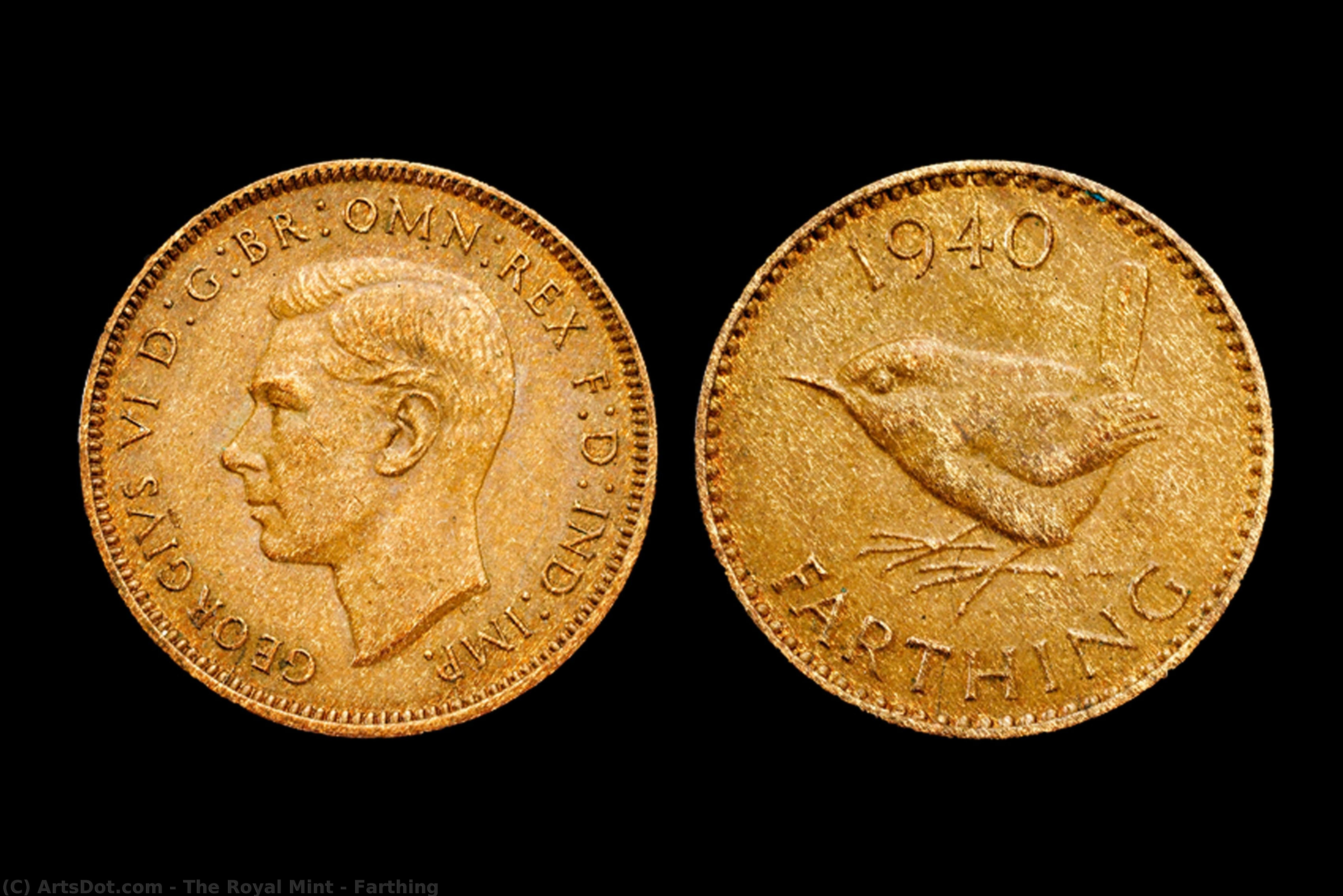
- Farthing
 购买版画
购买版画 分享
分享 分享
分享
 详情
详情

 下载
下载
 相似作品
相似作品 X射线
X射线 幻灯片播放
幻灯片播放Farthing


 展开详情
展开详情
购买高分辨率增强版数字图像,其品质远超在线预览。
每一份文件都由我们的内部专家使用先进工具与专业的后期润色技术精心打造。我们确保每一张图像都具备卓越的清晰度、精准的色彩还原度以及细腻的细节表现。
最终文件将在 72 小时内通过电子邮件交付,并针对专业、编辑及印刷用途进行了优化。其品质与顶级设计工作室、出版社和画廊所信赖的标准完全一致。
每份数字图像订单均包含
专业数字图像交付,品质保障
选择 OriginalUniqueArt.com,您获得的不仅仅是一张图像——您收到的是经过专业级增强、精雕细琢的数字艺术作品,并享有满意保证。以下是您的订单中自动包含的所有内容:

邮件快速送达
您的高分辨率数字图像文件将在下单后 72 小时内通过电子邮件发送给您 —— 即可立即使用。

AI 增强型数字文件
您的艺术品经过专业优化,结合先进的 AI 技术与人工修饰,确保呈现极致的细节、清晰度与色彩准确度。

终身免费重发服务
不小心删除了文件或找不到了?没关系——我们将随时为您免费重发。

无需进口费用,始终如一
即刻拥有您的艺术作品,无需支付任何关税、税费或运费——数字下载始终免税。

色彩精准保证
我们通过专业工具与色彩管理技术,确保您的数字图像尽可能真实地还原原作色彩。

60天满意保证
如果您对所购买的数字图像不满意,我们将在60天内为您进行修改或退还100%的款项——无需任何解释。

100% 退款保证
如果不满意?在收到数字文件后的60天内,我们为您提供全额退款——无需任何理由。

批量订单优惠
购买 3 张图片可享 10% 折扣 - 购买 5 张可享 15% 折扣 - 购买 10+ 张可享 20% 折扣。非常适合创意项目、画廊和机构使用。
艺术家简介
The Enduring Legacy of The Royal Mint
For over a millennium, the very notion of British currency has been inextricably linked to The Royal Mint. More than simply a producer of coins, it represents a continuous thread in the nation’s history – a tangible symbol of power, trade, and cultural identity. While today recognized for its modern facilities in Llantrisant, Wales, the story of The Royal Mint is one of remarkable evolution, originating not as a centralized institution but as a network of localized production centers scattered across the British Isles.
The earliest roots trace back to Celtic tribes imitating continental coinage around the 2nd century BC. However, it was with the Roman occupation that systematic minting began in Britain, though these operations were ultimately short-lived. Following the withdrawal of Roman forces, a fragmented system of regional mints emerged during the Anglo-Saxon period, reflecting the decentralized nature of early English kingdoms. The pivotal moment arrived in 1279 when Edward I consolidated these disparate operations under a single authority – the London Mint within the Tower of London. This marked the genesis of what would become The Royal Mint as we know it.
From Tower to Transformation
For centuries, the Tower of London served as the heart of British coinage. Within its formidable walls, skilled moneyers and engravers meticulously crafted coins that bore the likenesses of successive monarchs, each strike a declaration of sovereignty. The roles within the Mint became increasingly formalized during the medieval period, with positions like Master Worker, Warden, and Comptroller establishing a hierarchical structure responsible for overseeing production, quality control, and financial administration. The 15th and 16th centuries witnessed growing economic pressures on England, culminating in Henry VIII’s controversial “Great Debasement” – an attempt to alleviate financial woes by reducing the precious metal content of coins. This period highlights a crucial aspect of The Royal Mint's history: its inherent connection to the political and economic fortunes of the nation.
The 17th century brought further challenges, including periods of civil war and fluctuating monetary standards. However, the Mint continued to adapt, evolving alongside the changing needs of British commerce. A significant shift occurred in the late 19th and early 20th centuries with the rise of industrialization and the increasing demand for standardized coinage. This led to the development of more sophisticated machinery and techniques, paving the way for mass production.
George William De Saulles and Artistic Flourishes
While The Royal Mint is often viewed as a functional institution, it has also been a crucible for artistic talent. George William De Saulles (1862-1903) stands out as a particularly influential figure in this regard. A British medallist of exceptional skill, De Saulles was commissioned to design numerous coins and medals during the reigns of Queen Victoria and Edward VII. His work is characterized by its refined detail, classical elegance, and historical accuracy. De Saulles’s designs weren't merely representations of royal portraits; they were carefully considered artistic statements that reflected the prevailing aesthetic sensibilities of the era.
His contributions extend beyond standard coinage to include commemorative medals celebrating significant events and anniversaries. The Royal Mint Anniversary Medal, for example, showcases his mastery of relief sculpture and symbolic imagery. Even seemingly minor commissions, such as the Royal Mint Swimming Club medal (second place), demonstrate his dedication to craftsmanship and attention to detail. De Saulles’s legacy lies in elevating British coinage from a purely functional object to a form of portable art.
Modernization and Beyond
The 20th century witnessed the most dramatic transformation in The Royal Mint's history – its relocation from London to a purpose-built facility in Llantrisant, Wales, in 1968. This move coincided with Britain’s adoption of decimal currency, necessitating a complete overhaul of coin designs and production methods. The modern Mint embraced technological advancements, becoming a world leader in coinage technology and security features.
However, the story doesn't end there. Recognizing the decline in cash usage, The Royal Mint has strategically diversified its operations in recent years. It now encompasses precious metal investment, historic coin collecting, and luxury collectibles – including the innovative “886 by The Royal Mint” jewellery division utilizing sustainably sourced gold recovered from electronic waste. This forward-thinking approach ensures that The Royal Mint remains relevant and continues to shape the future of currency and beyond, building upon a legacy stretching back over a thousand years.


