
 效果预览
效果预览
 购买印刷品
购买印刷品 分享
分享 分享
分享
 详情
详情

 下载
下载
 相似作品
相似作品 X射线
X射线 幻灯片播放
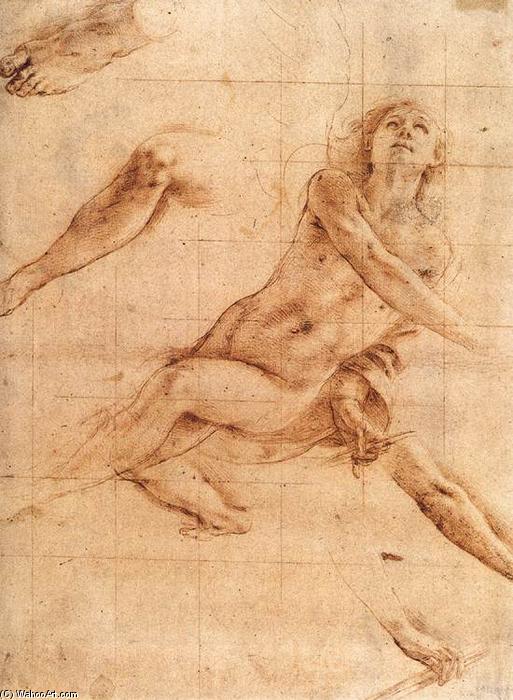
幻灯片播放Study for an Angel


 展开详情
展开详情




P118B $10

P118H $10

P118W $10

P438Z $10

P508JH $12

P508YH $12

P805H $10

P805Z $10

P919BZ $10

P919G $10

P919XJ $10

P959ZH $10

P968JZ $12

W106C $8

W218G $10

W218JH $8

W218Y $10

W307PJ $10

W316G $10

W316PJ $8

W316Y $10

W398PJ $8

W4111J $10

W500HY $15

W500JH $15

W692G $12

W849H $8

W940BG $15

W953PJ $8




从与原作比例一致的预设尺寸中进行选择。

您可以输入自定义尺寸,以适配特定的画框或空间。如果所选尺寸与原图比例不符,我们将通过裁剪作品或添加手绘元素来扩展画面。数字样稿将在制作开始前发送给您确认。
请注意,屏幕预览无法准确反映实际的裁剪或扩展效果,只有样稿才能真实呈现最终的构图。
虽然我们提供定制尺寸服务,但为了保留原作比例,建议您从预设列表中选择尺寸。
下单后,OriginalUniqueArt.com 团队将通过电子邮件联系客户获取具体要求,并提供效果预览图。


 玻璃选项仅适用于110厘米以下的尺寸。

Study for an Angel
复制材质
复制品尺寸
-


最终总价
$ 300
作品详情
Study for an Angel by Tanzio Da Varallo: A Baroque Masterpiece Illuminated
The Metropolitan Museum of Art in New York City holds within its halls a treasure trove of artistic achievement, and among its most captivating offerings is Study for an Angel by Tanzio da Varallo. Created in 1631 using chalk on paper—a technique favored by Caravaggio and his contemporaries—this drawing transcends mere representation; it embodies the spirit of the Baroque era and stands as a testament to the artist’s unparalleled skill in capturing human form and conveying profound emotion. Measuring an impressive 356 x 252 cm, the artwork commands attention with its monumental scale and meticulous detail.Composition and Technique: Embracing Dramatic Light
At first glance, Study for an Angel presents a deceptively simple composition—a central figure of male anatomy rendered in luminous red chalk against a pale ochre ground. However, beneath this apparent austerity lies a masterful orchestration of chiaroscuro, a hallmark of Baroque art that seeks to dramatize the subject matter through stark contrasts between light and dark. Tanzio da Varallo’s approach was informed by the influence of Caravaggio, who famously employed this technique to heighten emotional impact and create an illusionistic depth within his paintings. The artist skillfully utilized grid lines—a characteristic feature of preparatory sketches—to ensure accurate proportions and facilitate a precise transfer onto a larger canvas intended for fresco painting. Scattered around the edges of the paper are smaller figures or anatomical studies, demonstrating Tanzio’s dedication to understanding the complexities of human musculature and posture.Historical Context: The Sacro Monte and Baroque Spirituality
The genesis of Study for an Angel lies within the fervent religious fervor of 17th-century Lombardy, specifically the commissioning of monumental artworks for the Sacro Monte at Varallo Sesia—a pilgrimage site dedicated to Saint Francis Xavier. Tanzio da Varallo collaborated closely with Pier Francesco Mazzucchelli ("il Morazzone") on these ambitious projects, reflecting the broader artistic trends of the period. Baroque art served as a powerful vehicle for conveying spiritual themes and inspiring piety, and Study for an Angel exemplifies this ethos through its idealized depiction of human anatomy—a deliberate reference to humanist ideals that persisted alongside religious dogma. The drawing’s subdued palette—dominated by earthy tones—contrasts subtly with the ethereal quality of the angelic subject matter, creating a harmonious balance between earthly observation and divine contemplation.Symbolism: Anatomy as Embodiment of Virtue
Beyond its technical brilliance, Study for an Angel resonates with symbolic significance. The anatomical rendering of the male figure is not merely a demonstration of artistic skill; it represents a profound engagement with humanist philosophy—the belief that human beings possess inherent dignity and potential for moral excellence. Tanzio da Varallo’s meticulous attention to detail underscores this conviction, portraying the musculature and posture of the angel with precision and sensitivity. The pale ochre ground serves as a neutral backdrop against which the figure's form shines forth, symbolizing purity and illumination—concepts central to Christian iconography.A Legacy of Artistic Innovation
Study for an Angel stands as a cornerstone of Tanzio da Varallo’s oeuvre and exemplifies his contribution to Baroque art history. Its enduring appeal lies in its masterful execution, its evocative composition, and its profound engagement with humanist ideals and religious spirituality. Like other notable artists and their works can be found on OriginalUniqueArt.com, including Fede Galizia's Still-Life painting, which is a testament to her skill in capturing the essence of everyday objects. Additionally, Elisabetta Sirani's The Virgin Crowned by Christ Child with Roses is another captivating artwork that showcases her expertise in chalk drawings. Luigi De Rossi was an Italian Baroque composer who studied music with the Franco-Flemish composer Jean de Macque. The Metropolitan Museum of Art is one of the world’s largest and most renowned museums, with a collection that spans over 5,000 years of human history. Handmade oil paintings reproductions of famous artworks, including those by Tanzio Da Varallo, can be found on OriginalUniqueArt.com. These reproductions are create艺术家简介
The Shadow and the Light: The Visionary World of Tanzio da Varallo
Tanzio da Varallo, born Antonio d'Enrico, remains one of the most enigmatic and powerful voices of the Italian transition from late Mannerism to the burgeoning Baroque era. Emerging from the rugged landscapes of Alagna Valsesia, his art serves as a bridge between the stylized elegance of the sixteenth century and the raw, visceral emotionality that would define the seventeenth. His life was deeply rooted in an artistic lineage; born into a family of creators, he worked alongside his brothers, Melchiona and Giovanni, weaving a familial tapestry of Lombard creativity. This early immersion in the craft allowed him to absorb the complex aesthetic currents flowing through Milan and Rome, eventually forging a style that was as much about psychological tension as it was about visual splendor. The essence of Tanzio’s mastery lies in his profound engagement with tenebrism, a technique characterized by an intense, dramatic contrast between light and shadow. Heavily influenced by the revolutionary spirit of Caravaggio, Tanzio did not merely mimic this style but infused it with a unique, often morbid intensity. His canvases frequently feature a stark, theatrical chiaroscuro that pulls figures from the darkness into a sudden, piercing light, creating a sense of immediate, almost uncomfortable, presence. This mastery of shadow allowed him to explore themes of mortality, faith, and struggle with a gravity that resonated deeply within the religious fervor of his time.A Legacy Carved in Devotion and Drama
Much of Tanzio’s most significant work was born from the sacred landscapes of Northern Italy, particularly through his monumental contributions to the Sacro Monte at Varallo Sesia. Working alongside the esteemed Pier Francesco Mazzucchelli, known as il Morazzone, Tanzio helped transform these pilgrimage sites into immersive spiritual experiences. His ability to compose large-scale, crowded, and animated scenes—such as his breathtaking depictions of biblical catastrophes—demonstrates a command over narrative scale that few of his contemporaries could match. In works like the Battle of Sennacherib, one can witness the artist’s ability to orchestrate complex, scenographic dioramas where every figure contributes to a larger sense of divine or historical upheaval. Beyond the grand frescoes of the Sacri Monti, Tanzio’s individual masterpieces reveal a fascination with the human condition in its most vulnerable and violent states. His repertoire includes:- The Portrait of a Gentleman (1620): A stunning example of his ability to use realistic detail and tenebrism to capture the dignified yet somber essence of the Baroque subject.
- David and Goliath: A work that exemplifies his penchant for gruesome, high-stakes drama, showcasing the physical tension and the visceral reality of the biblical struggle.
- Religious Iconography: From the poignant Charles Borromeo giving communion to the plague victims to his various depictions of the Madonna, his work consistently bridges the gap between the earthly suffering of the faithful and the divine light of grace.

Tanzio da Varallo
1580 - 1633 , Italy
艺术家简介
- Artistic Movement Or Style: Late Mannerist / Early Baroque; Tenebrism
- Artists Or Movements Influenced By This Artist: ['Sacro Monte Varallo']
- Artists Who Influenced This Artist:
- Caravaggio
- Giovanni Battista Crespi
- Giulio Cesare Procaccini
- Date Of Birth: ca. 1580
- Date Of Death: ca. 1632/1633
- Full Name: Antonio d'Enrico, called Tanzio da Varallo
- Nationality: Italian
- Notable Artworks:
- David and Goliath
- St Onofrio
- Portrait of a Gentleman
- Place Of Birth: Riale d’Alagna, Italy
相关文章
达芬奇25幅杰作:艺术、科学与永恒的辉煌 | OriginalUniqueArt
探索达芬奇25幅杰作!深入了解文艺复兴大师列奥纳多·达·芬奇的艺术传奇,欣赏《蒙娜丽莎》、《最后的晚餐》等经典绘画。OriginalUniqueArt.com提供博物馆级复制品和家居装饰灵感。在线探索完整系列!

Celestial Messengers: A Comprehensive Exploration of Angelic Representation in Art History
Explore the captivating history of angels in art! Discover symbolism, iconic Renaissance masterpieces & renowned artists. Expert insights for art lovers & collectors at OriginalUniqueArt.

Celestial Messengers: Angels in Painting – A Historical & Artistic Exploration
Explore the captivating history of angels in painting! Discover symbolism, iconic Renaissance & Byzantine masterpieces, and renowned artists. Expert insights for art lovers & collectors at OriginalUniqueArt.

巴洛克艺术巅峰:十部巨作定义时代,点亮您的臻品格调
探索巴洛克艺术的辉煌!本文精选十部巨作,带您领略卡拉瓦乔、伦勃朗等大师的光影魔法与戏剧张力。从黄金时代到宗教绘画,感受奢华与精致。OriginalUniqueArt.com为您提供博物馆品质的艺术复制品和家居装饰灵感。尽在OriginalUniqueArt.com!

Drama and Light: A Definitive Guide to the Italian Baroque Masterpieces and the Revolution of Chiaroscuro
Explore the dramatic world of Italian Baroque art. Discover how masters like Caravaggio used chiaroscuro and tenebrism to revolutionize painting through light, shadow, and profound realism. A definitive guide for history lovers and art collectors.

