

 效果预览
效果预览
 购买手绘画作
 分享
分享 分享
分享
 详情
详情

 下载
下载
 相似作品
相似作品 X射线
X射线 幻灯片播放
幻灯片播放Grasses and Moon


 展开详情
展开详情




































从与原作比例一致的预设尺寸中进行选择。

您可以输入自定义尺寸,以适配特定的画框或空间。如果您选择的尺寸与原图比例不符,我们将对作品进行裁剪,或通过镜像填充/纯色填充边缘的方式来扩展图像。在开始制作之前,我们会向您发送一份数字效果图供您确认。
请注意,屏幕上的预览并不能反映实际的裁剪或扩展效果。只有效果图才能准确展示最终的构图。
虽然我们提供定制尺寸,但为了保持原图比例,我们建议您从预设列表中选择尺寸。


 玻璃选项仅适用于110厘米以下的尺寸。

Grasses and Moon
艺术微喷/版画
复制品尺寸
-


最终总价
$ 80
藏品详情
艺术家简介
The Versatile Visionary: The Life and Legacy of Tani Bunchō
In the vibrant, shifting landscape of Edo-period Japan, few artists possessed the breadth of vision and stylistic dexterity of Tani Bunchō. Born in 1763 into a family of esteemed retainers for the Tayasu clan, Bunchō was destined for a life steeped in both scholarly tradition and samurai responsibility. As the son of the renowned poet Tani Rokkoku, his upbringing was an immersion in the refined aesthetics of the era, yet he would ultimately transcend the boundaries of his station to become a singular force in Japanese art history. He was not merely a painter; he was a bridge between worlds, weaving together the meticulous traditions of Japan with the expressive spirit of China and the emerging influences of the West.
Bunchō’s artistic journey began under the rigorous tutelage of Katō Bunrei, a master of the Kanō school. This foundational period instilled in him a profound command over classical Chinese painting techniques, characterized by disciplined brushwork and a deep respect for symbolic composition. However, the true genius of Bunchō lay in his refusal to be confined by a single lineage. While he mastered the formalized aesthetics of the Kanō tradition, he actively sought out the more fluid and expressive Hoku-ga (Northern School) style. His thirst for innovation led him to collaborate with masters like Kitayama Kangen, whose influence helped introduce elements of yōga—Western-inspired painting—into his repertoire. This rare ability to synthesize disparate styles allowed him to move seamlessly between idealized Chinese landscapes and the burgeoning realism of Japanese scenery.
A Synthesis of Styles and the Spirit of Innovation
The hallmark of Bunchō’s oeuvre is its extraordinary eclecticism. Unlike many of his contemporaries in the bunjin (literati) movement who adhered strictly to traditional Chinese motifs, Bunchō embraced a much wider spectrum of subject matter. He was equally adept at rendering the monumental and sacred presence of Mount Fuji as he was at capturing the delicate, ephemeral beauty of moonlight reflecting over river reeds. His work often functioned as a "true view," where the artist’s subjective experience of a landscape met a selective realism that felt both grounded and poetic. This duality—the ability to be both a scholar-poet and a keen observer of nature—defined his unique contribution to the Edo avant-garde.
His ascent to the pinnacle of the art world was significantly propelled by his prestigious patronage under Matsudaira Sadanobu, one of the most influential political figures of the Tokugawa Shogunate. This relationship provided Bunchō with more than just financial stability; it granted him the cultural capital and resources necessary for unprecedented experimentation. Under this aegis, he flourished as a prolific creator of landscapes, portraits, and calligraphy, often blending Nanga (literati) sensibilities with the ornamentalism found in the Maruyama-Shijō school. His paintings were not merely depictions of scenery but were profound meditations on the intersection of tradition and modernity.
Historical Significance and Enduring Influence
Tani Bunchō’s legacy is etched into the very fabric of Japanese art history as a pioneer of cultural exchange. By integrating Western perspectives with Eastern sensibilities, he helped prepare the Japanese artistic consciousness for the profound changes that would follow in the Meiji era. His work remains a testament to the power of intellectual curiosity and the beauty of stylistic hybridity. To look upon a Bunchō masterpiece is to witness a moment in time where the boundaries between different cultures and eras dissolved into a single, harmonious vision.
His enduring impact can be summarized through several key artistic contributions:
- Stylistic Integration: The seamless blending of Kanō school precision, Northern School expressiveness, and Western-influenced realism.
- Literati Innovation: Expanding the bunjin tradition beyond rigid Chinese imitation to include authentic Japanese landscapes and contemporary portraiture.
- Cultural Bridge-Building: Serving as a vital link between the classical traditions of the past and the emerging global influences of the late Edo period.

tani bunchō
1763 - 1841
艺术家简介
- Artistic Movement Or Style: Nanga Painting
- Artists Or Movements Influenced By This Artist: ['Okuhara Seiko']
- Artists Who Influenced This Artist:
- Katō Bunrei
- Kitayama Kangen
- Date Of Birth: October 15, 1763
- Date Of Death: January 6, 1841
- Full Name: Tani Bunchō
- Nationality: Japanese
- Notable Artworks:
- River Gorge with Waterfall
- Miscellaneous Paintings and Calligraphy for the Third Year of the Bunsei Era
- Place Of Birth: Japan
相关文章

葛饰北斋:25幅传世名作,浮世绘大师的艺术传奇 (Katsushika Hokusai: 25 Masterpieces, The Art Legacy of the Ukiyo-e Master)
探索葛饰北斋的25幅传世名作!深入了解浮世绘大师的艺术传奇,感受《神奈川冲浪波》等经典作品背后的故事与魅力。OriginalUniqueArt.com提供博物馆级高质量复制品,为您的家居带来日本风情和艺术灵感。立即探索完整系列!
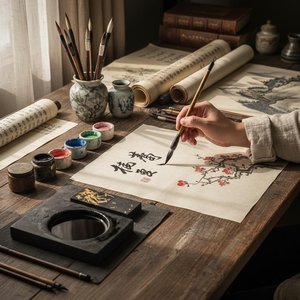
The Alchemy of Ink: Mastering the Timeless Beauty and Art History of Paper and Brush
Embark on a sophisticated exploration of ink wash painting and Sumi-e. Uncover the profound historical lineages, Zen philosophies, and technical mastery behind this timeless medium in our authoritative guide for fine art enthusiasts.

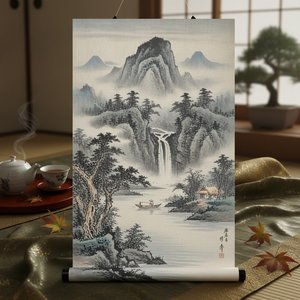
Serenity on Canvas: A Guide to the Timeless Beauty of Japanese Landscape Painting
Discover the serene beauty of Japanese landscape painting. From Hokusai's iconic woodblock prints to meditative sumi-e ink washes, explore a visual journey through the 'floating world' and learn how to bring this timeless Zen aesthetic into your modern home decor.

Mastering Ink on Paper: The Timeless Art of Precision, Flow, and Calligraphic Heritage
Explore the profound mastery of ink on paper. From Japanese haiku traditions to Ming Dynasty calligraphy, discover the delicate balance of precision and flow that defines this timeless art form through an expert historical lens.

