切换至版画销售渠道
 展开全文
展开全文







































 对于任何边长超过 105 厘米(约 41 英寸)的艺术品或复制品,画框将以拆解后的组件形式发货。此方法可确保安全送达并防止运输过程中的损坏。


A Window into the Early Renaissance: The Nativity by Taddeo Gaddi
Taddeo Gaddi’s Nativity, painted around 1325-1345 in Florence, isn't merely a depiction of a biblical scene; it’s a vibrant snapshot of a pivotal moment in artistic history – the nascent Renaissance. Born into a family steeped in artistic tradition as the pupil of the legendary Giotto, Gaddi inherited and subtly transformed his master’s revolutionary style, injecting a freshness and emotional depth that distinguished his work. This panel, now residing within the Museo Nacional Thyssen-Bornemisza in Madrid, offers a rare glimpse into the world of Florentine art during a period of profound social and cultural change.
The painting immediately captivates with its rich palette and meticulous attention to detail. Executed in tempera on panel, Gaddi employs a technique that balances Giotto’s influence – particularly his innovative use of space and perspective – with his own distinctive flair. The composition is carefully orchestrated, drawing the eye towards the central figures of Mary cradling the infant Jesus while simultaneously incorporating a multitude of supporting characters—angels, shepherds, and humble onlookers—creating a dynamic and layered scene. Notice how Gaddi masterfully uses light to define forms and create a sense of depth, moving beyond the flat, stylized representations common in earlier Gothic art.
Symbolism and Spiritual Resonance
Beyond its technical brilliance, the Nativity is laden with symbolic meaning. The carefully arranged figures represent not just the birth of Christ but also embody key theological concepts. Mary’s serene expression and gentle embrace of Jesus convey a profound sense of peace and divine grace. The angels flanking the scene are depicted with radiant halos, symbolizing their role as messengers of God. Even the humble setting—a simple stable surrounded by shepherds—holds significance, highlighting the idea that salvation comes not through earthly power or wealth but through humility and faith. The presence of the two midwives, Zelomi and Salome, adds a touch of realism to the narrative, reminding us of the human element within this miraculous event.
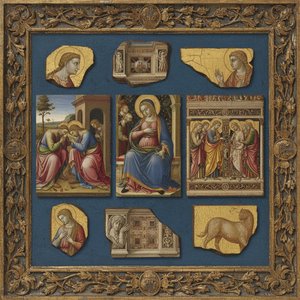
The small angel and shepherd in the upper left and right corners are particularly intriguing details, elements that distinguish this panel from other versions of the Nativity. These figures, seemingly added later, suggest a deliberate effort by Gaddi to personalize the scene and imbue it with a sense of immediacy. Furthermore, the painting’s placement within a larger altarpiece—likely including an Annunciation to the Shepherds—would have created a complete narrative cycle, further enriching its symbolic power.
A Legacy Forged in Florence
Taddeo Gaddi's Nativity stands as a testament to his skill and artistic vision. His work reflects the evolving artistic landscape of early Renaissance Florence, where artists were increasingly striving to capture not just the outward appearance of subjects but also their inner emotions and spiritual essence. While often overshadowed by the towering figures of Giotto and his successors, Gaddi’s contribution is nonetheless significant—he helped shape the trajectory of Florentine painting and paved the way for future generations of artists. Today, this exquisite panel continues to inspire awe and wonder, offering a tangible connection to a transformative period in art history.
常见问题与解答
“Nativity”这一Late Medieval背后蕴含着怎样的国族渊源?
通过创作者的出生地,《Nativity》将Late Medieval运动与意大利紧密联系在了一起。
"Nativity" 在 Late Medieval 流派中具有怎样的影响力?
在Late Medieval运动中,"Nativity"具有Recognized的知名度。
在哪里可以找到关于“Nativity”的指南?
塔德奥·加迪 的《Nativity》 的 指南 页面提供了一份可打印的两页式学生资料单:包含作品及其基本信息表、将其置于艺术家生平中的年代轴、艺术家的其他作品、经测量的色板,以及四种格式的即用型引用文献。
 实景预览
实景预览
 分享
分享 分享
分享
 详情
详情 指南
指南

 下载作品
下载作品
 相似作品
相似作品 X射线
X射线 幻灯片播放
幻灯片播放 Q&A
Q&A 统计数据
统计数据