
 效果预览
效果预览
 分享
分享 分享
分享
 详情
详情

 下载
下载
 相似作品
相似作品 X射线
X射线 幻灯片播放
幻灯片播放 Stats
StatsIngredients
 63.0 x 76.0 cm
 Grundy Art Gallery
 展开详情
展开详情
手工油画复制品
由我们的艺术家按需定制,为您提供您所选尺寸及画框的布面手工油画。 ( Switch to Print Switch to Digital Image)




































从与原作比例一致的预设尺寸中进行选择。

您可以输入自定义尺寸,以适配特定的画框或空间。如果所选尺寸与原图比例不符,我们将通过裁剪作品或添加手绘元素来扩展画面。数字样稿将在制作开始前发送给您确认。
请注意,屏幕预览无法准确反映实际的裁剪或扩展效果,只有样稿才能真实呈现最终的构图。
虽然我们提供定制尺寸服务,但为了保留原作比例,建议您从预设列表中选择尺寸。
下单后,OriginalUniqueArt.com 团队将通过电子邮件联系客户获取具体要求,并提供效果预览图。


 玻璃选项仅适用于110厘米以下的尺寸。

Ingredients
复制材质
复制品尺寸
-


最终总价
$ 300
艺术家简介
Stanley Reed: A Liverpool Portraitist of Subtle Grace
Stanley Reed (1908-1978) wasn’t a name that immediately leaps to mind when discussing the titans of 20th-century British art. Yet, within the quieter corners of national collections – the National Portrait Gallery and the Walker Art Gallery, for instance – resides a remarkably consistent body of work: intimate, meticulously observed portraits primarily focused on figures from Northern England. Born in Liverpool, Reed’s artistic journey was rooted in the city's vibrant artistic community, culminating in a distinctive style characterized by understated elegance, subtle tonal shifts, and an uncanny ability to capture not just likeness but also a sense of inner character.
Reed’s early training at the Liverpool School of Art provided him with a solid foundation. However, it was his engagement with the prevailing artistic currents of the time – particularly the influence of Impressionism and Post-Impressionism – that truly shaped his approach. He moved beyond mere replication, striving to convey mood and personality through carefully considered brushwork and an astute understanding of light and shadow. His subjects weren’t grand historical figures or celebrated dignitaries; instead, he focused on individuals from all walks of life—merchants, politicians, and local notables – revealing their quiet dignity and inherent humanity.
The Palette of the North
Reed's palette was distinctly Northern, favoring muted earth tones and delicate washes. He rarely employed bold colors, preferring instead to build up layers of paint to create a sense of depth and atmosphere. This restrained approach is particularly evident in his early works, such as ‘Portrait Study of Alderman Short,’ a 1908 painting that exemplifies his meticulous attention to detail and his ability to capture the nuances of facial expression. The portrait isn’t merely a likeness; it's an evocation of character—a quiet authority conveyed through subtle shifts in tone and the careful rendering of wrinkles and lines.
His technique evolved over time, becoming increasingly atmospheric and suggestive. Later portraits, like ‘Gladiolus and Attendants,’ demonstrate a looser brushstroke and a greater emphasis on capturing the overall mood of the scene. The still life arrangement—a vase of gladioli against a backdrop of a domestic interior—is rendered with remarkable sensitivity, conveying both beauty and a sense of melancholy. The interplay of light and shadow creates a captivating visual experience, inviting the viewer to contemplate the quiet moments of everyday life.
Commissioned Portraits and National Collections
A significant portion of Reed’s work was undertaken as commissions for prominent figures in Northern England—Lord Mayors of Liverpool and Manchester, among others. These portraits weren't simply formal representations; they were carefully considered studies designed to capture the subject’s personality and status. The resulting paintings are now held in prestigious national collections, including the National Portrait Gallery and the Walker Art Gallery, testament to Reed’s skill and enduring appeal.
The demand for his portraits speaks volumes about Reed's ability to connect with his subjects and translate their essence onto canvas. These commissioned works offer a valuable window into the social and cultural landscape of early 20th-century Northern England, providing insights into the lives and aspirations of those who shaped it.
A Legacy of Subtle Observation
Stanley Reed’s artistic legacy isn't one of flamboyant innovation or dramatic stylistic shifts. Instead, it resides in his quiet mastery of portraiture—his ability to capture the subtle nuances of human character with remarkable sensitivity and precision. His work stands as a testament to the power of observation, restraint, and an unwavering commitment to portraying the dignity and humanity of ordinary people. While he may not be a household name, Stanley Reed’s portraits continue to resonate with viewers today, offering a poignant glimpse into the lives and times of Northern England.
His paintings are frequently found in collections like The Stanley - Audrey Burton Gallery in Leeds and the University of Iowa Museum of Art, demonstrating his continued relevance within the art world. Further research into his work can be found on sites such as Wikipedia and Art UK.

stanley reed
1908 - 1978
艺术家简介
- Artistic Movement Or Style: Portrait painting
- Artists Or Movements Influenced By This Artist: ['British portraiture']
- Artists Who Influenced This Artist: ['Impressionism']
- Date Of Birth: 1908
- Date Of Death: 1978
- Full Name: Stanley Reed
- Nationality: British
- Notable Artworks:
- Alderman Short
- Gladiolus & Attendants
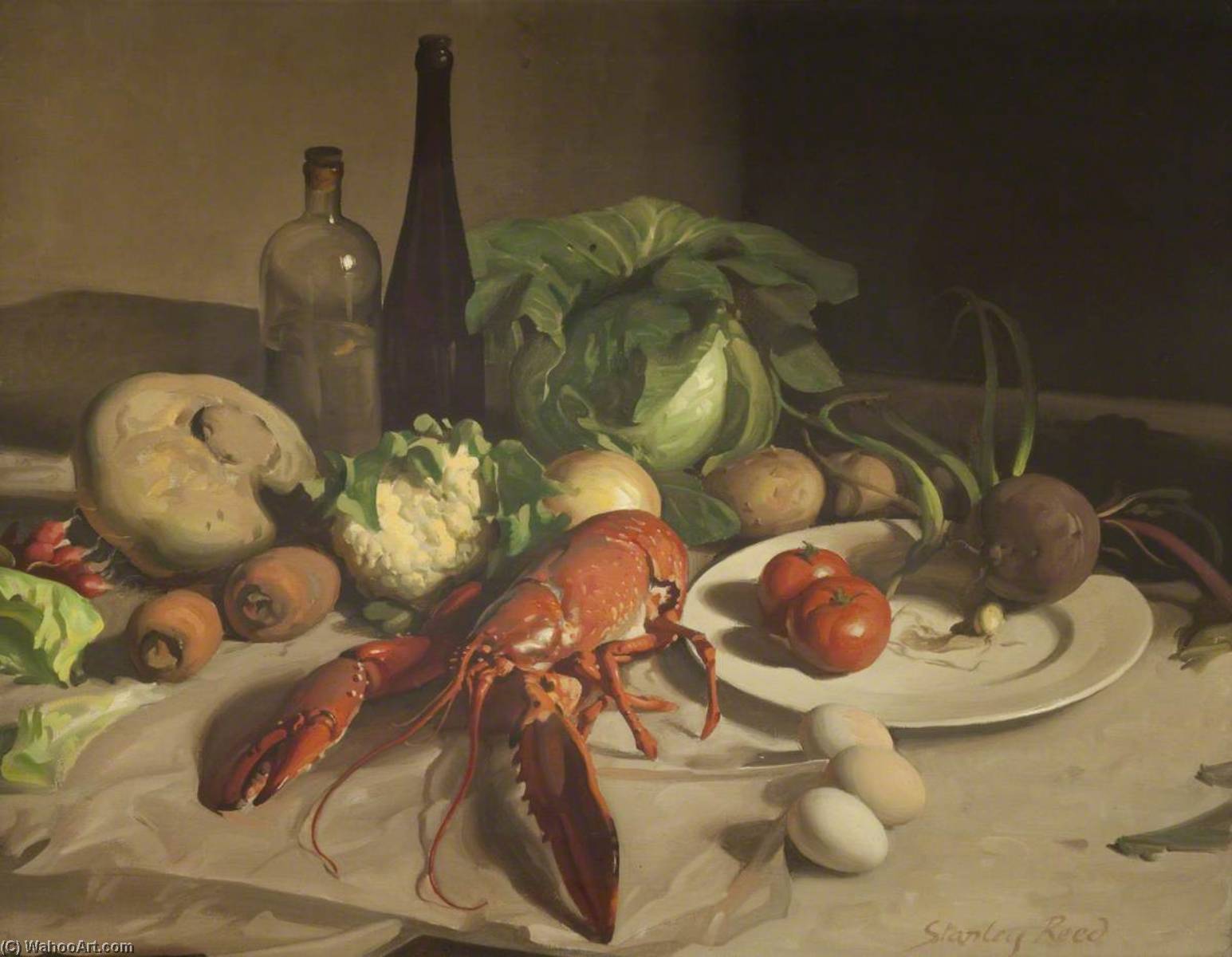
- Lobster & Vegetables
- Place Of Birth: Liverpool, UK