

 实景预览
实景预览
 发送
发送 分享
分享
 详情
详情 指南
指南

 下载图片
下载图片
 相似作品
相似作品 X射线
X射线 幻灯片播放
幻灯片播放 统计数据
统计数据Vertical Lines, Not Touching


 阅读全文
阅读全文
艺术微喷/版画
博物馆级艺术微喷或帆布版画,制作高效,并提供多种饰面选择。 ( 订购此收藏品的纯手工复刻画作 切换至数字图像销售渠道)




P118B ¥10

P118H ¥10

P118W ¥10

P438Z ¥10

P508JH ¥12

P508YH ¥12

P805H ¥10

P805Z ¥10

P919BZ ¥10

P919G ¥10

P919XJ ¥10

P959ZH ¥10

P968JZ ¥12

W106C ¥8

W218G ¥10

W218JH ¥8

W218Y ¥10

W307PJ ¥10

W316G ¥10

W316PJ ¥8

W316Y ¥10

W398PJ ¥8

W4111J ¥10

W500HY ¥15

W500JH ¥15

W692G ¥12

W849H ¥8

W940BG ¥15

W953PJ ¥8




您可以从与原作比例一致的预设尺寸中进行选择。

请输入您所需的宽度和高度,以适配您的画框或墙面。由于印刷品只能进行裁剪,无法超出原图尺寸,因此若比例不一致,画面的一部分将会被裁切。在正式印刷之前,我们会为您发送一份数字效果图供您确认。本页面显示的图片并非最终裁剪后的效果——只有效果图才能展示真实的裁剪情况。


 玻璃选项仅适用于110厘米以下的尺寸。

Vertical Lines, Not Touching
艺术微喷/版画
复刻品尺寸说明
-


总计金额
¥ 537
Sol LeWitt’s “Vertical Lines, Not Touching” – A Study in Order and Minimalism
Solomon Lewitt's "Vertical Lines, Not Touching," created in 1970, isn’t merely a drawing; it’s an architectural meditation rendered in graphite on paper. This deceptively simple work embodies the core tenets of minimalism—a movement that sought to strip art down to its essential elements, prioritizing process and concept over ornamentation or representational imagery. The piece immediately commands attention not through vibrant color or dramatic form, but through a profound sense of order and contained energy. It’s an invitation to contemplate the beauty found within repetition and the quiet power of geometric precision.
The Geometry of Restraint
At first glance, “Vertical Lines, Not Touching” presents a starkly minimalist composition: a square defined by a grid of closely spaced vertical lines. The meticulous execution is key to its impact; each line is drawn with deliberate control, creating a surface that subtly suggests texture through the density of its markings. The choice of monochromatic gray reinforces this sense of austerity and focuses attention entirely on the structure itself. Lewitt’s approach was deeply rooted in mathematics and geometry – disciplines he studied extensively early in his career – reflecting a belief that art could be understood and appreciated through rational, logical systems. The title, “Vertical Lines, Not Touching,” isn't just descriptive; it’s a statement of principle, highlighting the fundamental constraint upon which the entire piece is built.
A Conceptual Foundation: Minimalism and Beyond
Created during a pivotal moment in art history – the late 1960s and early 70s – “Vertical Lines, Not Touching” aligns perfectly with the burgeoning minimalist movement. Artists like Donald Judd and Carl Andre were pushing against traditional notions of sculpture, favoring industrial materials and geometric forms. However, Lewitt’s approach differed subtly; he often employed a ‘wall drawing’ technique, creating works that could be executed by multiple assistants simultaneously, emphasizing the collaborative nature of art-making and blurring the lines between artist and participant. This concept – the idea that the process itself is as important as the finished product – became central to Lewitt's practice and profoundly influenced subsequent generations of conceptual artists.
Symbolism in Simplicity: Order, Repetition, and Contemplation
While seemingly devoid of overt symbolism, “Vertical Lines, Not Touching” invites a deeper interpretation. The strict grid evokes notions of order, control, and even confinement – perhaps reflecting the anxieties of a rapidly changing world. The repetition of the lines creates a hypnotic effect, drawing the viewer into a state of quiet contemplation. It’s a work that rewards patient observation, revealing subtle variations in tone and texture that suggest depth and complexity beneath its surface simplicity. The “not touching” aspect reinforces this sense of restraint, suggesting a deliberate avoidance of conflict or disruption – a powerful statement about harmony and balance.
A Legacy of Precision: Reproduction and Interior Design
Today, "Vertical Lines, Not Touching" remains a significant work in the canon of minimalist art. Its clean lines and understated elegance make it an ideal choice for contemporary interior design, adding a touch of sophisticated restraint to any space. High-quality reproductions capture the subtle nuances of Lewitt’s technique, allowing viewers to appreciate the meticulous detail that defines this iconic piece. When considering a reproduction, remember that the essence of the work lies not just in its visual appearance but also in the conceptual framework it represents – a testament to the power of simplicity and the enduring appeal of geometric abstraction.
Learn more about this piece at MoMA
问答详情
索尔·勒维特 的《Vertical Lines, Not Touching》 属于哪种艺术流派?
索尔·勒维特 的《Vertical Lines, Not Touching》 所属的艺术流派为 Minimalist Sculpture。这一分类将该作品置于相关艺术家及艺术作品的语境之中。
"Vertical Lines, Not Touching" 是如何平衡明暗对比的?
“Vertical Lines, Not Touching”的整体亮度为brilliant,其亮度值为Luminous。
如何将 索尔·勒维特 的《Vertical Lines, Not Touching》 应用于家居装饰中?
针对 索尔·勒维特 的《Vertical Lines, Not Touching》,我们为您提供以下两项建议:用途为 (Geometry),适宜空间为 (Hotel Lobby)。
艺术家简介
思想的建筑师:索尔·勒维特的生命与传承
在二十世纪现代主义的浩瀚版图中,很少有人能像索尔·勒维特那样,投射出如此深远且具有智力深度的影响力。1928年9月9日,他出生于康涅狄格州哈特福德一个来自俄罗斯的犹太移民家庭。勒维特的艺术旅程,本质上是一场追求纯粹思想而非单纯物理执行的修行。他在1945年至1949年间于雪城大学的学习经历,培养了他严谨的分析性好奇心。这种数学与几何学的学术根基,后来成为了他艺术语言的核心脉搏,使他能够剥离传统艺术中多余的装饰性,从而揭示出逻辑与结构那如骨架般纯粹的美感。
勒维特作为艺术家的演变并非一场突如其来的断裂,而是一次从有形向观念的深思熟虑的迁移。尽管他早期的探索涉及绘画与素描的触感本质,但他很快发现,自己越来越被笔触背后的思想而非笔触本身所吸引。这一转变标志着一位先驱的诞生,他成功架起了极简主义与观念艺术之间的桥梁。他开始不再将艺术家视为受限于双手的匠人,而是将其视为指令的建筑师。通过将精神蓝图置于完成品之上,勒维特挑战了“作者身份”的定义,并提出:一旦思想被构思出来,其物理呈现仅仅是随之而来的次要结果。
墙绘带来的革命
20世纪60年代后期,随着勒维特标志性的墙绘作品问世,当代艺术见证了最激进的变革之一。他拒绝传统雕塑的永恒性与珍贵感,转而引入了“结构”这一概念——他更倾向于使用这个词而非“雕塑”,以强调其数学本质——并提供一系列只要经过训练便可执行的指令。这些作品并非仅仅是装饰,而是一种鲜活的体验,它们通常由精确的几何图案、弧线和交错的形状组成,为所占据的建筑空间注入了生命力。
亲眼见证勒维特的墙绘,便是目睹逻辑如何转化为诗意。无论是《黑底白线,垂直不相交》中那冷峻而富有节奏感的重复,还是《墙绘第1091号:弧线、圆圈与带状物》中所展现的充满活力且奔放的能量,他的作品都利用线条的力量来掌控空间。这些作品往往依赖于一套逻辑严密、甚至带有数学色彩的指令系统,引导助手或美术馆人员进行创作。这种方法在使创作行为民主化的同时,也提升了观念的重要性,确保了艺术品在触碰墙面之前,其本质上已作为一个智力火花而存在。
对现代性的持久印记
在横跨数十年的丰沛创作生涯中,勒维特精通版画、摄影与装置艺术,并始终坚定地致力于追求清晰与精准。他能够从最简单的形式中发现深邃之美——例如那令人震撼的白色金字塔
索尔·勒维特的历史意义不言而喻。他为一代又一代艺术家提供了探索思想与物质边界的词汇。他的遗产在每一座模糊了创作者与执行者界限的美术馆与画廊中延续,在那里,思想的力量被公认为终极的媒介。当我们回顾他的一生,从哈特福德的起点到2007年在纽约市走完人生终点,我们看到的不仅是一位艺术创造者,更是一位教导我们如何去洞察思想本身那深邃结构的导师。

索尔·勒维特
1928 - 2007 , 美国
快速概览
- Artistic Movement Or Style: 极简主义与概念艺术
- Artists Or Movements Influenced By This Artist: ['极简主义']
- Artists Who Influenced This Artist: ['弗兰克·劳埃德·赖特']
- Date Of Birth: 1928年9月9日
- Date Of Death: 2007年4月8日
- Full Name: 索洛门·勒维特
- Nationality: 美国
- Notable Artworks:
- 扭曲的立方体 (Distorted Cubes)
- 卡尔多公共艺术项目 11: Sol LeWitt 1998
- Place Of Birth: 美国哈特福德
相关文章

Cultivating Prestige: The Strategic Significance of Executive Desk Art as a High-Impact Recognition Gift
Discover the strategic power of executive desk art for impactful recognition gifting. Expert guidance on selecting luxury gifts that foster loyalty, strengthen relationships & elevate your brand. Learn more!
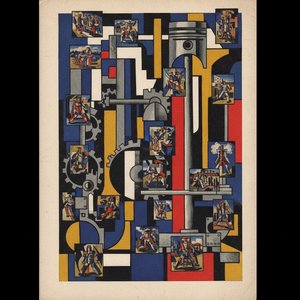
费尔南·莱热:25幅大师杰作,重塑现代艺术与家居美学 | OriginalUniqueArt
探索费尔南·莱热25幅经典杰作!深入了解这位立体主义大师的管形主义风格、机械美学与色彩构成。OriginalUniqueArt提供高清艺术复制品,为您的家居带来现代艺术气息。立即发现更多名画,打造专属艺术空间!

The Canvas of Connection: Quantifying the ROI of Art-Based Gifting on Corporate Relationships and Brand Equity
Discover how strategic art gifting boosts brand loyalty & ROI. Expert insights on personalized gifts, employee recognition, & building lasting corporate relationships. Learn more!
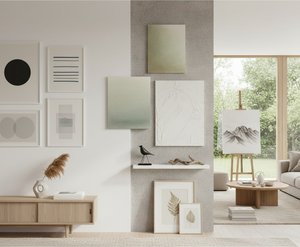
Minimalist Masterpieces: 10 Artworks for Serene Home Decor | OriginalUniqueArt
Find serenity with 10 minimalist masterpieces! Explore Agnes Martin, Rothko & more. Discover the stories behind iconic abstract art, neutral palettes & calming designs. Museum-quality reproductions at OriginalUniqueArt.com – elevate your home decor today!

Simple Elegance: Transform Your New Home with the Timeless Beauty of Minimalist Art
Elevate your first home with stunning minimalist art from OriginalUniqueArt.com. From geometric abstracts to custom wedding portraits hand-painted on canvas, discover elegant decor designed to inspire. Transform your new space into a timeless sanctuary with our expert curation and bespoke beauty.