

 实景预览
实景预览
 发送
发送 分享
分享
 详情
详情 指南
指南

 下载图片
下载图片
 相似作品
相似作品 X射线
X射线 幻灯片播放
幻灯片播放 统计数据
统计数据Asdrubale Bitten by a Crawfish
 Acrylic On Canvas
- WallArt
- Renaissance Painting
 1554
1554 333.0 x 385.0 cm
 卡波迪蒙特国家博物馆
 阅读全文
阅读全文
艺术微喷/版画
博物馆级艺术微喷或帆布版画,制作高效,并提供多种饰面选择。 ( 订购此收藏品的纯手工复刻画作 切换至数字图像销售渠道)




P118B ¥10

P118H ¥10

P118W ¥10

P438Z ¥10

P508JH ¥12

P508YH ¥12

P805H ¥10

P805Z ¥10

P919BZ ¥10

P919G ¥10

P919XJ ¥10

P959ZH ¥10

P968JZ ¥12

W106C ¥8

W218G ¥10

W218JH ¥8

W218Y ¥10

W307PJ ¥10

W316G ¥10

W316PJ ¥8

W316Y ¥10

W398PJ ¥8

W4111J ¥10

W500HY ¥15

W500JH ¥15

W692G ¥12

W849H ¥8

W940BG ¥15

W953PJ ¥8




您可以从与原作比例一致的预设尺寸中进行选择。

您可以输入自定义尺寸,以适配特定的画框或空间。如果您选择的尺寸与原图比例不符,我们将对作品进行裁剪,或通过镜像填充/纯色填充边缘的方式来扩展图像。在开始制作之前,我们会向您发送一份数字效果图供您确认。
请注意,屏幕上的预览并不能反映实际的裁剪或扩展效果。只有效果图才能准确展示最终的构图。
虽然我们提供定制尺寸,但为了保持原图比例,我们建议您从预设列表中选择尺寸。


 玻璃选项仅适用于110厘米以下的尺寸。

Asdrubale Bitten by a Crawfish
艺术微喷/版画
复刻品尺寸说明
-


总计金额
¥ 540
The Enigmatic Charm of Sofonisba Anguissola’s “Asdrubale Bitten by a Crawfish”
Sofonisba Anguissola's "Asdrubale Bitten by a Crawfish," painted around 1554, is far more than a simple depiction of childhood mischief. It’s a carefully constructed dialogue between artist and subject, a subtle assertion of female agency within the confines of Renaissance art, and a remarkably intimate portrait that continues to intrigue viewers centuries later. Created during a pivotal period in Anguissola's career – a time when she was challenging societal expectations by establishing herself as a professional painter – this small, unassuming drawing reveals layers of meaning and artistic innovation.
The scene itself is deceptively simple: two young children, a boy named Asdrubale and a girl (likely Anguissola’s sister), engaged in what appears to be a playful interaction. Asdrubale, clearly distressed, clutches his arm as a small crayfish – or crawfish, depending on the translation – playfully bites him. The composition is remarkably naturalistic; Anguissola captures the raw emotion of the moment with deft strokes of charcoal, conveying both the boy’s discomfort and the girl's gentle reassurance. Yet, it’s in the details that the painting truly reveals its complexity.
A Revolutionary Self-Portrait Within a Portrait
What distinguishes “Asdrubale Bitten by a Crawfish” from typical portraits of the era is its inherent self-referentiality. Anguissola isn’t merely depicting a scene; she's presenting herself as the artist, actively involved in capturing it on paper. The placement of her hand, poised to add a final touch to the drawing, immediately establishes this dynamic. This deliberate inclusion challenges the traditional role of the female artist as a mere assistant or copyist, asserting her creative authority and agency. It’s a bold statement for a time when women were largely excluded from formal artistic training and professional recognition.
Furthermore, the painting subtly critiques the established conventions of portraiture. The focus isn't on showcasing the family’s status or wealth – hallmarks of many Renaissance portraits – but rather on capturing a fleeting moment of childhood innocence and vulnerability. This shift in perspective reflects Anguissola’s own artistic philosophy: to portray subjects with honesty, empathy, and a keen awareness of their individual personalities.
Symbolism and the Maulstick's Silent Commentary
The inclusion of a maulstick – a small, padded stick used by artists to steady their hand while painting – adds another layer of symbolic significance. This tool, typically associated with amateur painters, is held by Anguissola herself, subtly suggesting a commentary on the established artistic hierarchy. It’s as if she's acknowledging her own apprenticeship and playfully challenging the notion that only formally trained masters could truly capture the nuances of observation and representation.
The choice of charcoal as the medium is also noteworthy. Charcoal offered a remarkable degree of subtlety and tonal variation, allowing Anguissola to render the textures of skin, clothing, and the rough surface of the crayfish with impressive realism. The drawing’s intimacy – its small scale and intimate subject matter – further enhances its emotional impact, inviting viewers to connect with the scene on a deeply personal level.
A Legacy of Innovation
"Asdrubale Bitten by a Crawfish" stands as a testament to Sofonisba Anguissola’s artistic genius and her pioneering spirit. It's a remarkably intimate and insightful portrait that continues to resonate with viewers today, offering a glimpse into the life and mind of one of Renaissance Italy’s most remarkable female artists. Reproductions of this captivating work capture its delicate charm and profound symbolism, making it a treasured addition to any art collection or interior space.
艺术家简介
文艺复兴的光辉:索福尼斯巴·安圭索拉的生命与艺术
索福尼斯巴·安圭索拉(Sofonisba Anguissola)从16世纪意大利充满活力的艺术版图中脱颖而出,成为一位真正的先驱。她挑战了当时的社会规范,并确立了自己作为文艺复兴时期最负盛名的女性画家之一的地位。她于1532年左右出生在克雷莫纳,是阿米尔卡·安圭索拉与比安卡·庞佐尼的女儿。得益于那个时代对于女性而言异常超前的教养方式,她的成长之路充满了机遇。她的父亲敏锐地察觉到了女儿们——索福尼斯巴、埃琳娜、露西亚和欧罗巴——身上非凡的艺术天赋,于是打破传统,为她们提供了涵盖拉丁语、音乐以及至关重要的绘画素描的人文主义教育。这种对她们智力与创造力发展的投入在当时是具有革命性的,为索福术巴卓越的职业生涯奠定了坚实的基础。尽管安圭索拉家族拥有贵族身份,却并不富裕;阿米尔卡坚信通过培养女儿们的才华可以实现社会地位的提升与个人价值的实现,这一激进的思想在随后的世代中重新塑造了女性艺术家的机遇。1546年,索福尼斯巴与埃琳娜开始跟随当地受人尊敬的画家贝尔纳迪诺·坎皮进行正式训练,随后在1550年左右又师从贝尔纳迪诺·加蒂(Il Sajarolo)。这些学徒经历本身就是开创性的,为那些渴望追求艺术造诣的女性开启了此前从未敞开的大门。亲密与创新:艺术之声的觉醒
安圭索拉早期的作品以一种惊人的亲密感和心理深度为特征,这在她的家族肖像画中表现得尤为明显。这些作品并非仅仅是对容貌的临摹,而是对人格特质与家族关系的深刻探索。例如《艺术家姐妹下棋图》(约1555年)便是这种能力的杰出体现,它捕捉到了互动瞬间的真实感,通过细腻的表情与姿态传达出神韵。画面的构图显得极其自然,避开了那个时代肖像画中常见的僵硬形式感。她的风格最初深受伦巴第风格主义的影响,但在西班牙期间,逐渐演变成一种更为精致、更契合宫廷肖像需求的手法。她拥有卓越的才华,能够以细腻的色彩描绘写实的特征,并通过轻柔的笔触传递情感。自画像成为了她职业生涯中反复出现的主题,这不仅是技艺的展示,更是她在男性主导的世界中对自身女性艺术家身份的一种强有力的宣言。《画架旁的自画像》(155骗)尤为具有标志性,画面中的索福尼斯巴正自信地从事着她的创作,向观者宣告着她的艺术权威。宫廷委任:西班牙的生活与创作
1559年,一个转折性的时刻降临了,安圭索拉受邀前往西班牙,担任国王菲利普二世之妻伊丽莎白·瓦卢瓦皇后的侍从。这次邀请并非仅仅是一份工作邀约,更是对其非凡才华的认可,也见证了皇后本人的艺术情怀。索福尼斯巴在宫廷中担任女官及绘画导师,并成为了官方宫廷画家——这一职位在当时的女性身上几乎是闻所未闻的。她为皇室成员和西班牙贵族创作肖像,在保持对人物性格敏锐洞察力的同时,使自己的风格适应了宫廷肖像画的正式要求。她在宫廷中的存在意义重大;她不仅作为一名女性艺术家被接纳,更因其技艺与陪伴而受到高度重视。1568年伊丽莎白皇后不幸逝世后,菲利普二世促成了索福尼斯巴与西西里贵族法布里齐奥·蒙卡达的婚姻,使她能够在保持贵族地位的同时继续从事绘画事业。这种安排体现了国王对她艺术造诣的尊重,以及对他确保她生活无虞的关怀。在蒙卡达去世后,她再次改嫁,并终其一生都在笔耕不辍。先驱者的遗产:影响与历史意义
索福尼斯巴·安圭索拉的成就远远超出了西班牙宫廷的范畴。她的作品挑战了传统的艺术规范,为后世的女性艺术家开辟了道路。她证明了女性不仅能在艺术领域脱颖而出,更能获得国际性的认可与赞助。她的影响力在随后追随她足迹、打破壁垒并挑战社会预期的女性画家作品中清晰可见。关键的影响源包括伦巴第画派,特别是贝尔纳迪诺·坎皮和贝尔纳迪诺·加蒂的作品,但她最终锻造出了属于自己的独特风格,其特点是写实主义、亲密感与心理洞察力。她的自画像至今仍是女性艺术主体性的强大象征,持续激励着艺术家与学者。永恒的认可
时至今日,索福尼斯巴·安圭索拉被理所当然地视为文艺复兴时期最重要的艺术人物之一。她的画作收藏于世界各地的顶级博物馆中,包括马德里的普拉多博物馆、佛罗伦萨的乌菲兹美术馆以及波士顿的伊莎贝拉·斯图尔特·加德纳博物馆。她的故事持续引起观众的共鸣,提醒着我们艺术具有超越社会边界的力量,也赞颂了一位敢于挑战期望、追求热爱的女性所留下的永恒遗产。她不仅捕捉容貌,更捕捉主体内在生命力的能力,确保了她的作品在创作数个世纪后依然摄人心魄,历久弥新。- 她的画作可见于波士顿(伊莎贝拉·斯图尔特·加德纳博物馆)、密尔沃基(密尔沃基美术馆)、贝尔加莫、布雷西亚、布达佩斯、马德里(普拉多博物馆)、那不勒斯和锡耶纳。
- 乔尔乔·瓦萨里曾赞美她具备卓越的素描、色彩运用、写生能力,以及出色的临摹与创作优美画作的天赋。

索福尼斯巴·安圭索拉
1532 - 1625 , 意大利
快速概览
- Artistic Movement Or Style: 文艺复兴, 风格主义
- Artists Or Movements Influenced By This Artist: ['女性文艺复兴艺术家']
- Artists Who Influenced This Artist:
- Bernardino Campi
- Bernardino Gatti
- Date Of Birth: 约 1532年
- Date Of Death: 1625年
- Full Name: 索福尼斯巴·安圭索拉
- Nationality: 意大利
- Notable Artworks:
- 画架上的自画像
- 安圭索拉家族肖像
- 米内瓦·安圭索拉肖像
- Place Of Birth: 意大利,克雷莫纳
相关文章

The Enduring Gaze: Portraiture's Historical & Psychological Evolution
Explore the rich history of portraiture with expert analysis from OriginalUniqueArt. Discover iconic Renaissance masterpieces, symbolism & techniques that shaped identity. Find museum-quality art for your collection.

The Echo of Self: Reflectivity as a Core Theme in Art History & Contemporary Practice
Explore the rich history of self-representation in art, from Renaissance masters to modern innovators. Discover how artists use portraiture to reveal identity, emotion & the depths of the human psyche. Expert insights for collectors.
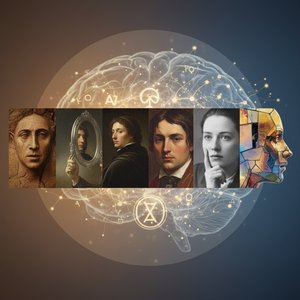
Reflecting the Self: A History of Portraiture & Psychological Insight
Explore the fascinating history of self-portraiture from Renaissance masters like Dürer & Rembrandt to modern interpretations. Discover the psychological insights and artistic techniques behind these iconic works. Expert analysis for art enthusiasts.

The Enduring Gaze: A Historical & Artistic Exploration of Portraiture Across Cultures
Explore the rich history of portraiture with OriginalUniqueArt.com! Discover symbolism, techniques & master artists from antiquity to modern times. Expert insights for art collectors.

The Inner Landscape: Exploring Themes of Introspection in Visual Art Across Movements & Eras
Explore the captivating world of introspective art! Discover how artists across eras – from Rembrandt to Kahlo – used self-portraiture to reveal their inner worlds and emotional depths. A journey through art history & psychology.