

 实景预览
实景预览
 发送
发送 分享
分享
 详情
详情 指南
指南

 下载图片
下载图片
 相似作品
相似作品 X射线
X射线 幻灯片播放
幻灯片播放 统计数据
统计数据Chrysanthemums
 Acrylic On Canvas
- WallArt
- British Modernism
 1934
1934 88.0 x 85.0 cm
 Newark Town Hall Museum And Art Gallery
 阅读全文
阅读全文
艺术微喷/版画
博物馆级艺术微喷或帆布版画,制作高效,并提供多种饰面选择。 ( 订购此收藏品的纯手工复刻画作 切换至数字图像销售渠道)




P118B ¥10

P118H ¥10

P118W ¥10

P438Z ¥10

P508JH ¥12

P508YH ¥12

P805H ¥10

P805Z ¥10

P919BZ ¥10

P919G ¥10

P919XJ ¥10

P959ZH ¥10

P968JZ ¥12

W106C ¥8

W218G ¥10

W218JH ¥8

W218Y ¥10

W307PJ ¥10

W316G ¥10

W316PJ ¥8

W316Y ¥10

W398PJ ¥8

W4111J ¥10

W500HY ¥15

W500JH ¥15

W692G ¥12

W849H ¥8

W940BG ¥15

W953PJ ¥8




您可以从与原作比例一致的预设尺寸中进行选择。

请输入您所需的宽度和高度,以适配您的画框或墙面。由于印刷品只能进行裁剪,无法超出原图尺寸,因此若比例不一致,画面的一部分将会被裁切。在正式印刷之前,我们会为您发送一份数字效果图供您确认。本页面显示的图片并非最终裁剪后的效果——只有效果图才能展示真实的裁剪情况。


 玻璃选项仅适用于110厘米以下的尺寸。

Chrysanthemums
艺术微喷/版画
复刻品尺寸说明
-


总计金额
¥ 538
A Delicate Still Life Reflecting Oxfordshire’s Artistic Legacy
The painting “Chrysanthemums” by Sir William Nicholson, completed in 1934, is more than just a depiction of flowers; it's a testament to the enduring influence of Oxfordshire’s artistic heritage and a masterful exploration of Impressionistic technique. Currently housed at Newark Town Hall Museum And Art Gallery, this piece captures a serene moment frozen in time—a vase brimming with chrysanthemums and daisies resting upon a simple wooden table. Prior Nicholson skillfully employs muted tones – predominantly blues and yellows – to create an atmosphere of understated beauty and tranquility. The artist’s meticulous attention to detail is evident in the rendering of textures: the cool sheen of the metal vase contrasts beautifully with the velvety petals of the flowers, inviting viewers to linger on their surface.Style and Technique: Impressionistic Elegance
Nicholson firmly established himself within the Impressionist movement, a stylistic choice that profoundly shaped his artistic vision. Like Monet and Renoir before him, he prioritized capturing fleeting impressions of light and color rather than striving for photographic realism. This approach is brilliantly realized in “Chrysanthemums,” where Nicholson eschews harsh outlines and instead blends pigments to achieve an ethereal quality. The brushstrokes are loose and expressive, conveying movement and vibrancy without overwhelming the overall composition. He skillfully utilizes glazing techniques—applying thin layers of translucent paint over underlying colors—to build up depth and luminosity, resulting in a luminous surface that seems to shimmer with reflected light.Historical Context: A Moment of Quiet Reflection
The painting’s creation coincided with Nicholson's burgeoning reputation as one of Britain’s leading artists. Following his formative years at Herkomer’s school and the pivotal relationship with Mabel Pryde, Nicholson became a celebrated painter of landscapes and portraits, particularly those depicting rural Oxfordshire—a region deeply connected to his family history. “Chrysanthemums” speaks to this broader artistic preoccupation, reflecting a desire to distill beauty from everyday life and to convey a sense of contemplative stillness. The painting emerged during a period marked by significant social and political change in Britain, yet Nicholson’s artwork maintains an unwavering focus on sensory experience—a deliberate rejection of grand narratives in favor of intimate observation.Symbolism: Chrysanthemums – Resilience and Remembrance
Beyond its aesthetic qualities, “Chrysanthemums” carries symbolic weight rooted in Victorian floral symbolism. Traditionally associated with mourning and remembrance, chrysanthemums represent perseverance through adversity and the promise of eternal life—themes that resonate powerfully within the painting’s serene setting. The careful arrangement of flowers underscores a deliberate consideration of visual harmony and conveys an emotional depth that transcends mere representation. Nicholson's masterful use of color contributes to this symbolic resonance, reinforcing the painting’s contemplative mood and inviting viewers to contemplate themes of beauty, fragility, and enduring spirit.Emotional Impact: Capturing Serenity Through Color
Ultimately, “Chrysanthemums” succeeds in evoking a profound sense of tranquility and understated elegance. The muted palette—dominated by blues and yellows—creates an atmosphere of calm reflection, mirroring the stillness of the depicted scene. Nicholson’s skillful technique captures not only the visual appearance of the flowers but also their emotional essence—a testament to his ability to transform ordinary subjects into expressions of beauty and contemplation. For interior designers seeking inspiration or collectors desiring a piece that embodies timeless grace, this reproduction offers an opportunity to experience firsthand the enduring legacy of Oxfordshire's artistic tradition.问答详情
"Chrysanthemums"创作于何时,属于哪种艺术流派?
威廉·尼科尔森 的《Chrysanthemums》创作于1934年,属于British Modernism流派。
建议将 威廉·尼科尔森 的《Chrysanthemums》 悬挂在哪个房间?
威廉·尼科尔森 的《Chrysanthemums》 的推荐陈列空间为 Living Room。当然,该建议也可根据您的室内装饰进行灵活调整。
威廉·尼科尔森 的《Chrysanthemums》展现了怎样的色彩和谐感?
"Chrysanthemums" 的色彩和谐度记录为 Strong Color Unity。
艺术家简介
早年生活与艺术启蒙
威廉·尼科尔森爵士,1872年生于英国纽瓦克镇,他的成长背景融合了工业的务实精神和艺术的敏感性。他的父亲是一位成功的工程师和保守党议员,培养了他严谨的作风;而母亲的家族渊源则将他与牛津郡的美学传统联系起来。尼科尔森从小就表现出对艺术的天赋,在当地画家威廉·卡布利(William Cubley)的指导下得到悉心培养,卡布利的艺术根源可以追溯到约书亚·雷诺兹爵士。这段早期的经历为他未来跨越多种媒介和风格的职业生涯奠定了基础。短暂地进入赫伯特·冯·赫科默(Hubert von Herkomer)的艺术学校对他来说至关重要,不仅磨练了他的技能,还让他结识了梅贝尔·普赖德(Mabel Pryde),她将成为他未来的妻子和艺术道路上不可或缺的合作者。正是在梅贝尔的介绍下,他遇到了她的兄弟詹姆斯·普赖德(James Pryde),这段合作很快将彻底改变英国平面设计界。“乞丐员工”与海报艺术的革命
威廉·尼科尔森和詹姆斯·普赖德之间的合作,以“J. & W. Beggarstaff”之名闻名,标志着英国视觉文化的一个转折点。他们摒弃了盛行的维多利亚时代海报华丽的美学风格,拥抱了一种大胆的简约,其特点是引人注目的剪影、平面的色彩和对传统透视的刻意摒弃。他们的设计不仅仅是广告;它们是一种宣言——强大的图形构成,吸引了公众的想象力。《唐吉诃德》等剧作和《哈珀杂志》等出版物的海报立刻被人们所熟知,影响了一代艺术家和设计师。这段时期不仅仅关乎商业艺术,更关乎重新定义视觉交流本身。“乞丐员工”的作品挑战传统规范,为现代平面设计铺平了道路,确立了尼科尔森作为创新者的声誉。他们的影响力远远超出了海报领域,通过强调强烈的形式和刻意的构图,影响了插画甚至绘画。从木刻到肖像:风格的演变
在“乞丐员工”合作解散后,尼科尔森进入了一个风格探索期。他将注意力转向木刻和木版画技术,这些技术让他能够进一步完善他对线条和形式的掌握。受到有影响力的詹姆斯·麦克尼尔·惠斯勒(James McNeill Whistler)的鼓励,他采用了这些方法,创作出精致而富有表现力的版画作品,展示了他日益成熟的艺术技巧。这些作品证明了他以最少的细节捕捉本质的能力,这种品质将成为他风格的标志。与此同时,尼科尔森开始确立自己作为肖像画家的地位,并获得了那个时代杰出人物的委托。他的肖像不仅仅是相似的面孔;它们是对性格的深刻研究,通过微妙的表情和姿势揭示了受访者的内心世界。《皮毛夫人》、《P.夫人的肖像》等作品充分体现了他的技巧,不仅捕捉了外貌特征,还传达了一种个性和社会地位的感觉。静物、风景与持久遗产
在他的职业生涯后期,尼科尔森越来越专注于静物和风景绘画。他的静物画,例如《洛斯托夫碗》,以其精致的细节、和谐的色彩搭配和一种宁静的亲密感而闻名。他赋予日常物品诗般的品质,将它们提升到单纯的再现之上,成为美丽和沉思的象征。他的风景画,通常描绘西班牙和意大利旅行中的场景,展现了对光线和氛围的敏感性,以非凡的技巧捕捉了地方的精髓。纵观他的一生,尼科尔森始终是一位多才多艺的艺术家,不断尝试新的技术和方法。他创作儿童书籍、为剧院设计,并在绘画之余继续制作版画作品。威廉·尼科尔森爵士的影响力超越了他自己大量的作品;他以其对工艺的热情、创新的精神以及在平凡事物中发现美的能力激励了整整一代艺术家。他的作品仍然是对艺术的力量的证明,它能够照亮人类经验并改变我们对周围世界的感知。他在1949年去世,留下了一笔丰富的艺术遗产,至今仍在吸引和启发着人们。 快速参考:- 艺术运动或风格:静物、肖像画
- 影响这位艺术家的艺术家:詹姆斯·普赖德、惠斯勒
- 出生日期:1872年2月5日
- 去世日期:1949年5月16日
- 全名:威廉·尼科尔森爵士
- 国籍:英国
- 著名作品:《皮毛夫人》、《洛斯托夫碗》、《马拉加斗牛场》
- 出生地:英国纽瓦克镇
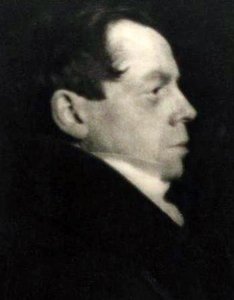
威廉·尼科尔森
1872 - 1949 , 英国
快速概览
- Artistic Movement Or Style: 静物、肖像画
- Artists Or Movements Influenced By This Artist: 早期20世纪艺术
- Artists Who Influenced This Artist:
- 詹姆斯·普赖德
- 惠斯勒
- Date Of Birth: 1872年2月5日
- Date Of Death: 1949年5月16日
- Full Name: 威廉·尼科尔森爵士
- Nationality: 英国国籍
- Notable Artworks (List Of Titles):
- 裘皮夫人
- 洛斯托夫特碗
- 马拉加斗牛场
- Place Of Birth (City And Country): 英国纽瓦克镇
相关文章

Philip Wilson Steer: Capturing Modern Life & British Impressionism's Essence
Explore the life & art of Philip Wilson Steer, a leading British Impressionist painter. Discover his coastal scenes, influences, and legacy. Expert analysis & high-quality reproductions at OriginalUniqueArt.
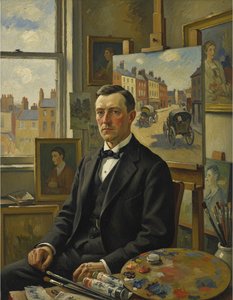
Robert Bevan: Pioneering British Post-Impressionism & the Camden Town Group's Intimate Vision
Explore the life & work of Robert Bevan, a pioneer of British Post-Impressionism and founding member of the Camden Town Group. Discover his vibrant landscapes and lasting impact on early 20th-century art.
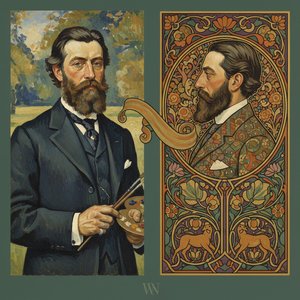
Sir William Nicholson: A Study in Post-Impressionist Portraiture & Decorative Modernism
Explore the life & work of Sir William Nicholson, a pivotal British Post-Impressionist painter. Discover his striking portraits, innovative woodcuts, and lasting influence on early 20th-century art. Expert insights for collectors.

保罗·塞尚:25幅大师杰作,重塑现代艺术与家居美学 | OriginalUniqueArt
探索保罗·塞尚25幅经典杰作!深入了解后印象派大师的艺术生涯、独特技法与色彩运用。OriginalUniqueArt提供高清油画复制品,为您的家居带来博物馆级艺术体验。立即发现更多名画,点亮生活空间!

Silent Narratives: Exploring the Enduring Appeal of Still Life Painting Across Centuries
Explore the rich history of still life painting with OriginalUniqueArt. Discover Dutch Masters, decode vanitas symbolism & learn about collecting timeless art. Expert insights and museum-quality reproductions.