

 实景预览
实景预览
 发送
发送 分享
分享
 详情
详情 指南
指南

 下载图片
下载图片
 相似作品
相似作品 X射线
X射线 幻灯片播放
幻灯片播放 统计数据
统计数据Thomas Collins
 Oil On Canvas
- WallArt
- Neoclassical Style
 1820
1820 125.0 x 101.0 cm
 City of Westminster Archives Centre
 阅读全文
阅读全文
艺术微喷/版画
博物馆级艺术微喷或帆布版画,制作高效,并提供多种饰面选择。 ( 订购此收藏品的纯手工复刻画作 切换至数字图像销售渠道)




P118B ¥10

P118H ¥10

P118W ¥10

P438Z ¥10

P508JH ¥12

P508YH ¥12

P805H ¥10

P805Z ¥10

P919BZ ¥10

P919G ¥10

P919XJ ¥10

P959ZH ¥10

P968JZ ¥12

W106C ¥8

W218G ¥10

W218JH ¥8

W218Y ¥10

W307PJ ¥10

W316G ¥10

W316PJ ¥8

W316Y ¥10

W398PJ ¥8

W4111J ¥10

W500HY ¥15

W500JH ¥15

W692G ¥12

W849H ¥8

W940BG ¥15

W953PJ ¥8




您可以从与原作比例一致的预设尺寸中进行选择。

请输入您所需的宽度和高度,以适配您的画框或墙面。由于印刷品只能进行裁剪,无法超出原图尺寸,因此若比例不一致,画面的一部分将会被裁切。在正式印刷之前,我们会为您发送一份数字效果图供您确认。本页面显示的图片并非最终裁剪后的效果——只有效果图才能展示真实的裁剪情况。


 玻璃选项仅适用于110厘米以下的尺寸。

Thomas Collins
艺术微喷/版画
复刻品尺寸说明
-


总计金额
¥ 538
Thomas Collins: A Portrait of Dignity Amidst Georgian Refinement
Sir William Beechey’s “Thomas Collins” is more than just a depiction of a man; it's an encapsulation of the Georgian era’s preoccupation with social status and intellectual prowess. Painted in 1820, this oil on canvas masterpiece captures Cardinal Thomas Christopher Collins – a prominent figure in Canadian Catholicism – seated at a dining table bathed in soft light, conveying an aura of quiet contemplation and resolute conviction. Beechey's signature style—characterized by meticulous detail and subtle brushstrokes—is evident throughout the composition, prioritizing intimacy and psychological realism over grand theatricality.- Subject Matter: The portrait focuses on Collins’s face and upper torso, meticulously rendered to convey his character and demeanor. He wears a dark suit, indicative of aristocratic status, and is adorned with a dignified tie—a symbol of respectability within Georgian society.
- Composition & Setting: The dining table serves as a grounding element, littered with papers suggesting intellectual pursuits and administrative responsibilities. Two chairs flank Collins, creating a balanced visual arrangement that emphasizes his central position. A wall behind him provides depth to the scene, subtly reinforcing the formality of the setting.
- Technique & Style: Beechey employed a technique known for its softness and luminosity—a hallmark of neoclassical portraiture—resulting in an image imbued with warmth and nuance. The artist skillfully blended pigments to achieve tonal gradations that enhance the sense of realism, capturing the textures of fabric and skin with remarkable accuracy.
- Symbolism: The papers on the dining table symbolize Collins’s engagement with scholarly pursuits and governance—reflecting his commitment to intellectual discourse and pastoral leadership.
- Emotional Impact: Beechey's masterful portrayal evokes a feeling of quiet solemnity, inviting viewers to contemplate Collins’s inner life and unwavering faith. The artist skillfully captures the man’s gaze, conveying an expression of seriousness and introspection that lingers in the viewer’s mind.
问答详情
建议将“Thomas Collins”打印成多大的尺寸?
建议将“Thomas Collins”打印为 Large 尺寸。其他尺寸亦可按相同比例进行制作。
在Neoclassical Style运动中,威廉·比奇 的《Thomas Collins》传达了怎样的情感?
"Thomas Collins" 所蕴含的 Calm 情感,与其 Neoclassical Style 风格相得益彰。
“Thomas Collins”是否一直留在其艺术家的故乡?
不——该作品目前存放于海外。“Thomas Collins”收藏于United Kingdom,而威廉·比奇出生于英国。
艺术家简介
早年生活与艺术开端
威廉·比奇(Sir William Beechey)于1753年12月12日出生在古朴的牛津郡小镇伯福德,开启了一段注定让他成为英国肖像画领域杰出人物的人生旅程。他早年生活充满了悲剧色彩;在他尚幼时,父母双亡,他的抚养权落在了叔父塞缪尔·比奇(Samuel Beechey)——一位律师手中。起初,他本应走上法律的道路,但年轻的威廉的心却流连于另一个地方——迷人的艺术世界。尽管有叔父的期望,比奇最终还是被绘画所吸引,这份倾向最终引领他来到了伦敦,并于1772年进入皇家艺术学院学校深造。这标志着一个关键的转折点,使他置身于成熟艺术家们的环绕之中,为他的艺术发展奠定了基础。他早期的训练很可能受益于约翰·佐法尼(Johan Zoffany)的指导,尽管确凿的证据依然难以寻觅,但这些经历塑造了他最初的风格,使其倾向于描绘小型全景肖像和私密的谈话题材,这些作品让人联想到佐法尼本人的画作。冉冉升起的新星:诺维奇与伦敦
比奇的艺术征程将他带到了1782年的诺维奇,在那里,他成功地在当地乡绅阶层中站稳了肖像画家的一席之地。他接到了描绘约翰·沃德豪斯(John Wodehouse)等知名人士的委托,并特别为圣安德鲁斯大厅(St Andrew’s Hall)的市政肖像收藏贡献了四件作品——这有力地证明了他日益增长的名声。然而,伦敦这座大都会对他有着无尽的召唤力,1787年,他毅然返回首都,决心要在更广阔的舞台上留下自己的印记。二十世纪八十年代末,比奇稳步获得了认可,展出的作品展示了他不断精进的技艺和成熟的笔触。一个重要的转折点出现在1789年他画的《卡莱尔主教约翰·道格拉斯肖像》——这件作品引起了极大的关注,巩固了他在伦敦艺术界的地位。他巧妙地驾驭着当时的艺术惯例,从乔舒亚·雷诺兹(Joshua Reynolds)等大师那里汲取灵感,同时又锻造出独属于自己的风格。皇家赞助与国家认可
1793年对比奇而言是具有变革意义的一年。在一系列幸运的巧合中——一位心怀不满的坐姿人物将他的肖像带到了乔治三世国王和夏洛特王后面前——比奇意外地被任命为夏洛特王后的官方肖像画家。这一皇家认可使他一跃进入了艺术界的上层圈子,开启了源源不断的享有盛誉的委托。同年,他当选为皇家艺术学院的准会员,进一步巩固了自己的地位。第二年带来了更辉煌的赞誉;1798年,他创作了《乔治三世与威尔士亲王检阅部队》这幅大型构图画作,使他获得了骑士爵位和皇家艺术学院的全职会员资格。尽管该作品在1992年的温莎城堡大火中不幸失踪,但它完美地展现了比奇处理宏大历史场景与描绘私密肖像的能力并存的功力。他在这一时期的成功不仅仅是艺术层面的;它与英国的社会和政治图景紧密交织在一起,折射出一种日益增长的民族自豪感和蓬勃发展的贵族文化。风格、遗产与持久影响
比奇的画风以其精致的优雅、微妙的色彩运用以及对细节的一丝不苟而著称。他偏爱新古典主义的构图,常常将他的模特描绘成姿态优美,让人联想到古典雕塑的形象。虽然他并非像一些同时代的艺术家——比如托马斯·劳伦斯(Thomas Lawrence)那样是激进的革新者,但其始终如一的品质和捕捉人物神韵与个性的能力为他赢得了广泛赞誉。他的肖像画洋溢着一种庄重的克制感,避免了过度的戏剧性或浮夸的装饰。这种处理方式尤其受到王室和上流社会的青睐,因为他们珍视的是典雅和低调的精致感。尽管在1890年,塞缪尔·雷德格雷夫(Samuel Redgrave)曾提出批评——认为比奇的作品缺乏风度,其衣褶描绘略显笨拙——但比奇在英国肖像画家群体中依然保持着受人尊敬的地位。他的作品至今仍因其精湛的技术和对十八世纪末至十九世纪初杰出人物(包括纳尔逊勋爵、肯布尔和莎拉·西登斯)深刻而富有洞察力的描绘而备受赞颂。他的遗产不仅体现在他的画作中,更作为一则证明:肖像画在捕捉时代精神方面所具有的持久力量。家庭与进一步的贡献
比奇的个人生活交织着喜悦与哀伤。他于1778年娶了玛丽·安妮·琼斯(Mary Ann Jones),在她去世后,于1793年迎娶了成功的微型画家安妮·菲利斯·杰索普(Anne Phyllis Jessop)。通过这些结合,他育有数个子女,他们也各自投身于艺术事业。他的儿子亨利·威廉·比奇(Henry William Beechey)——一位画家和探险家——以及弗雷德里克·威廉·比奇(Frederick William Beechey)——一位海军军官、地理学家和作家——延续了家族的创造性传统。比奇的影响力远超他自己的画作;他以对有抱负的艺术家们,特别是指导过约翰·康斯塔布尔(John Constable)的慷慨精神而闻名。 他于1836年退居汉普斯特德,并于1839年辞世,留下了丰富而迷人的艺术遗产,至今仍令人着迷和启发。他对英国艺术的贡献依然意义深远,为了解塑造了国家历史的人们的生活与时代提供了宝贵的洞察。
威廉·比奇
1753 - 1839 , 英国
快速概览
- Artistic Movement Or Style: 肖像画,新古典主义
- Artists Who Influenced This Artist:
- 约翰·佐法尼
- 乔舒亚·雷诺兹
- Date Of Birth: 1753年12月12日
- Date Of Death: 1839年1月28日
- Full Name: 威廉·比奇爵士
- Nationality: 英国
- Notable Artworks:
- 约克公爵夫人肖像
- 乔治三世检阅部队
- Place Of Birth: 英国,伯福德
相关文章

画布上的流光溢彩:油画技法、历史沿革与当代实践
深入探索油画技法的历史沿革,从文艺复兴到卡拉瓦乔的革命性创新。了解多层涂布技术如何塑造色彩与光影,并洞悉当代油画实践中的传统与突破。OriginalUniqueArt为您提供专业的艺术品咨询和定制服务。

The Enduring Legacy of Oil on Canvas: Technique, History & Aesthetic Impact
Explore the rich history & techniques of oil painting – from Renaissance masters to Impressionism. Discover pigments, layering methods, and why this timeless medium endures. Expert insights for artists & art enthusiasts.

Oil on Canvas: A Historical & Technical Exploration of a Timeless Artistic Medium
Explore the rich history & enduring techniques of oil painting on canvas. Discover the science behind its longevity, conservation practices, and contemporary relevance. Expert insights for art enthusiasts.
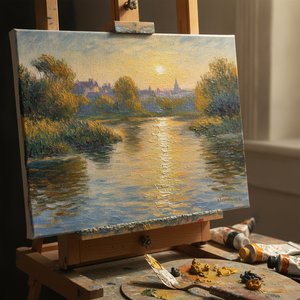
The Soul of Impressionism: Why Oil on Canvas Captures Eternal Light and Timeless Emotion
Discover the enchanting alchemy of Impressionism. Explore how the mastery of oil on canvas, through glazing and impasto, captures eternal light and emotion. Perfect for lovers of Monet and Van Gogh seeking the profound depth of hand-painted fine art.
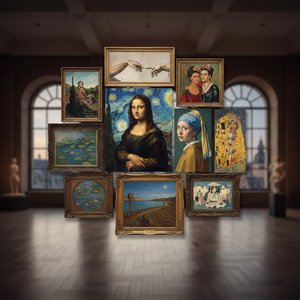
Oil on Canvas Masters: 10 Paintings That Redefined Art History |
Journey through art history with our guide to 10 legendary oil on canvas masterpieces! Explore iconic works by Van Gogh, Monet & Rembrandt. Find museum-quality reproductions and elevate your home decor at . Discover all masterpieces online.
