实景预览
实景预览
 分享
分享 分享
分享
 详情
详情 指南
指南

 下载作品
下载作品
 相似作品
相似作品 X射线
X射线 幻灯片播放
幻灯片播放 问答
问答 统计数据
统计数据Saint Peter

- 92.0 x 68.0 cm


 展开全文
展开全文
艺术微喷/版画
博物馆级艺术微喷或帆布版画,制作高效,并提供多种饰面选择。 ( 订购纯手工绘制画作 切换至数字图像销售渠道)




P118B ¥10

P118H ¥10

P118W ¥10

P438Z ¥10

P508JH ¥12

P508YH ¥12

P805H ¥10

P805Z ¥10

P919BZ ¥10

P919G ¥10

P919XJ ¥10

P959ZH ¥10

P968JZ ¥12

W106C ¥8

W218G ¥10

W218JH ¥8

W218Y ¥10

W307PJ ¥10

W316G ¥10

W316PJ ¥8

W316Y ¥10

W398PJ ¥8

W4111J ¥10

W500HY ¥15

W500JH ¥15

W692G ¥12

W849H ¥8

W940BG ¥15

W953PJ ¥8




您可以从与原作比例一致的预设尺寸中进行选择。

请输入您所需的宽度和高度,以适配您的画框或墙面。由于印刷品只能进行裁剪,无法超出原图尺寸,因此若比例不一致,画面的一部分将会被裁切。在正式印刷之前,我们会为您发送一份数字效果图供您确认。本页面显示的图片并非最终裁剪后的效果——只有效果图才能展示真实的裁剪情况。


 玻璃选项仅适用于110厘米以下的尺寸。

Saint Peter
艺术微喷/版画
复刻品尺寸
-


最终结算价
¥ 543
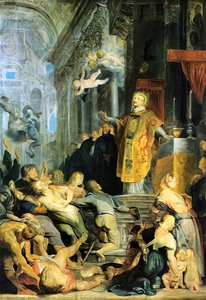
Saint Peter: A Baroque Masterpiece by Peter Paul Rubens
Peter Paul Rubens’s “Saint Peter” is more than just a portrait; it's a vibrant embodiment of the artist’s signature style – a dynamic, emotionally charged depiction of one of Christianity’s most revered figures. Completed in 1618 during a pivotal period in his career, this painting offers a profound glimpse into the heart of the Flemish Baroque and its engagement with both classical ideals and the fervor of the Counter-Reformation. The work, currently residing within the Kunstsammlungen Graf von Schönborn Pommersfelden in Schloss Weißenstein, Germany, stands as a testament to Rubens’s unparalleled ability to infuse religious iconography with life, movement, and an almost palpable sense of drama.
Rubens's artistic approach is immediately striking. He eschews the static formality often associated with depictions of saints, instead presenting Saint Peter in a posture of confident authority, his hand outstretched as if offering guidance or bearing witness to a momentous event. The composition itself is meticulously crafted – a carefully balanced arrangement of form and color that draws the eye directly to the central figure. Notice how Rubens utilizes diagonal lines, particularly those created by Peter’s robe and gesture, to generate a sense of forward momentum, suggesting an active role in the narrative rather than a passive recipient of divine grace.
Artistic Style and Technique
Rubens was renowned for his mastery of oil on canvas, employing a technique that prioritized intense color saturation and dramatic lighting. In “Saint Peter,” he skillfully manipulates *chiaroscuro* – the interplay of light and dark – to sculpt the figure’s form and heighten its emotional impact. The deep shadows enveloping much of the background contrast sharply with the luminous glow illuminating Peter, creating a powerful sense of depth and drawing attention to his central position within the composition. The rich palette—a symphony of reds, blues, and golds—is characteristic of Rubens's style, reflecting both the opulence of the Counter-Reformation and his deep understanding of color theory.
Subject Matter and Symbolism
At the heart of the painting lies the symbolic significance of Saint Peter’s gesture. He holds a key in his hand – an unmistakable reference to his role as the keeper of heaven's gates, as recounted in Matthew 16:19. This potent symbol immediately establishes Peter’s authority and importance within the Christian narrative. The richly embroidered robe, indicative of his elevated status as Pope, further emphasizes this symbolic weight. Beyond the key, subtle details contribute to the painting’s layered meaning; the beard and mustache, rendered with meticulous realism, convey a sense of wisdom and experience, while the overall posture exudes both humility and strength.
Background and Composition
The backdrop of “Saint Peter” is dominated by a dramatic, almost stormy sky – a deliberate choice that amplifies the painting’s emotional intensity. This use of atmospheric perspective, coupled with the strong contrasts between light and shadow, creates a sense of depth and drama reminiscent of Baroque art. The dark, brooding background serves not merely as a setting but as an active participant in the scene, mirroring Peter's own role as a beacon of hope amidst uncertainty. The composition is carefully balanced, ensuring that Peter remains the focal point while also incorporating elements that suggest a broader narrative context – perhaps hinting at his martyrdom or his leadership within the early Church.
Historical Context and Legacy
Created during a period of intense religious and artistic renewal, “Saint Peter” reflects the Counter-Reformation’s emphasis on emotional engagement and dramatic storytelling. Rubens's workshop in Antwerp was a hub for artistic innovation, producing works that catered to both aristocratic patrons and the burgeoning Catholic Church. His style profoundly influenced subsequent generations of artists, notably Anthony van Dyck, who adopted Rubens’s dynamic compositions and vibrant color palettes, particularly in his portraits of English nobility. The painting’s enduring appeal lies not only in its technical brilliance but also in its ability to capture the essence of a pivotal figure within Christian history – a testament to Peter Paul Rubens's genius as one of the greatest artists of the Baroque era.
常见问题与解答
原件"Saint Peter"的尺寸是多少?
"Saint Peter" 原作尺寸为 92 x 68 cm。在选择复制品尺寸时,参考原作尺寸会非常有帮助。
我可以使用增强现实技术在我的房间里预览 鲁本斯 的《Saint Peter》 吗?
“Saint Peter” 支持增强现实(AR)预览:通过作品的 AR 效果预览 页面,您可以在兼容设备上查看该作品呈现在您专属空间的效果。
建议将 鲁本斯 的《Saint Peter》 悬挂在哪个空间?
鲁本斯 的《Saint Peter》 推荐陈列于 客厅空间。此建议是基于作品的主题、色彩与意境而定。
艺术家简介
Sir Peter Paul Rubens:巴洛克艺术的巅峰
Sir Peter Paul Rubens,一个在艺术史上熠熠生辉的名字,不仅仅是一位画家,更是一位外交家、学者和文化建筑师,他深刻地改变了十七世纪欧洲的艺术格局。 他于德国西根出生于1577年,早年生活充满变迁——这经历潜移默化地影响了他的作品中蕴含着戏剧性和情感深度。他的父亲约翰·鲁本斯是一位逃离宗教迫害的律师,将家庭从西班牙统治下的安特卫普迁回,这一最初的流亡培养了他坚韧和适应能力,这些品质贯穿了他多方面的职业生涯。 在父亲去世后,他于1587年回到安特卫普,在那里接受了人文主义教育,并在大约1590年开始艺术训练,师从托比亚斯·韦哈赫特和亚当·范诺尔特,熟练掌握绘画技巧和素描技能。 然而,与奥托·范威恩的合作却至关重要,这让他接触到了文艺复兴时期艺术的丰富遗产——一个他将热情拥抱的世界。文艺复兴的启迪与艺术的融合
在1600年,鲁本斯踏上了变革性的旅程前往意大利,这是一次对艺术视界的终极洗礼。 他整整八年沉浸于米开朗琪罗、拉斐尔和提塞亚的作品之中,吸收了他们的形式美学、色彩技巧和构图理念。 这些文艺复兴大师的影响在鲁本斯早期的意大利作品中显而易见,这些作品以古典主题和理想化的人物为特色。 然而,鲁本斯并没有简单地模仿; 他将这些影响与自己的天赋相结合,发展出一种独特的风格,这种风格具有鲜艳的色彩、动态构图和对人体形态的感性描绘。 他一丝不苟地研究了人体结构,从而塑造了人物既有物理现实又有情感力量——充满活力和运动的身体,这正是他巴洛克风格的标志。 这段时期不仅是艺术发展过程,也是深刻的思想启迪,培养了他对古典神话和文学的热爱,这些主题将成为他作品中的反复出现的主题。 返回安特卫普于1608年之后,鲁本斯迅速确立了作为时代最杰出的艺术家的位置,无数委托为他而来,证明了他的卓越才华和在艺术领域占据领先地位。多才多艺的画家:超越界限的创作
鲁本斯是一位极具多样性和创造力的艺术家。 他不满足于单一的艺术形式; 相反,他在历史绘画、神话场景、肖像画、风景画和宗教作品等多个领域都取得了卓越成就——这充分体现了他的多才多艺和无限潜力。 他创作的大幅画作通常用于教堂、宫殿和公共空间,展现了他惊人的技术水平和戏剧性叙事能力。 他运用了精湛的油画技巧,通过点彩法创造纹理和深度,同时巧妙地运用光线和阴影来增强视觉冲击力。 他经常采用象征符号和人物形象,为作品增添了复杂含义和解读空间。 这些创作不仅展现了他艺术天赋,更体现了他对时代精神的深刻理解和创新能力。巴洛克风格的巅峰与影响
鲁本斯的作品具有独特的巴洛克风格特征:动态构图、鲜艳色彩、感性描绘以及对人体形态的精妙表现。 他将文艺复兴时期古典艺术的理想美学与当时社会的需求相结合,为艺术创作开辟了全新道路。 通过对人体结构的细致研究和对光线运用的创新尝试,鲁本斯不仅创造了视觉上的震撼力,更赋予作品深刻的情感表达能力。 他对绘画技巧的精湛掌握以及对历史题材的巧妙处理,使他的作品超越了传统艺术形式的限制,成为当时艺术审美的重要标准。 鲁本斯的作品影响了无数后人,例如安东尼·范戴克、雅各布·乔丹斯和欧仁·德拉克罗瓦等画家都从鲁本斯的动态构图、鲜艳色彩和感性人物形象中汲取灵感。 他不仅定义了巴洛克艺术风格——他提升了绘画的艺术价值和影响力,巩固了安特卫普作为十七世纪欧洲艺术中心的地位。 他将成为艺术史上的一个永恒传奇,象征着人类创造力的强大力量以及巴洛克艺术风格的辉煌与壮丽。 鲁本斯的作品不仅是艺术成就的象征,也是文化历史的重要遗产。 通过对古典艺术的继承和创新,他为欧洲艺术发展开辟了崭新的方向,并在艺术史上留下了深刻而持久的影响。 他是一位真正的艺术家大师,他的作品将继续激励后人不断探索艺术的边界与可能性。
鲁本斯
1577 - 1640 , 德国
艺术家简介
- Artistic Movement Or Style: 巴洛克藝術風格
- Artists Or Movements Influenced By This Artist: ['安東尼·萬·迪克']
- Artists Who Influenced This Artist:
- 米開朗琪羅斯
- 拉斐爾
- 提提安
- Date Of Birth: 1577年6月28日
- Date Of Death: 1640年5月30日
- Full Name: Sir Peter Paul Rubens
- Nationality: 荷蘭人
- Notable Artworks:
- 十字架昇起畫作
- 聖母瑪利亞與聖嬰的處刑畫作
- Place Of Birth: 德國SIEGEN
相关文章

巴洛克艺术巅峰:十部巨作定义时代,点亮您的臻品格调
探索巴洛克艺术的辉煌!本文精选十部巨作,带您领略卡拉瓦乔、伦勃朗等大师的光影魔法与戏剧张力。从黄金时代到宗教绘画,感受奢华与精致。OriginalUniqueArt.com为您提供博物馆品质的艺术复制品和家居装饰灵感。尽在OriginalUniqueArt.com!

Mastering Drama and Light: A Definitive Guide to the Flemish Baroque Art Movement
Explore the dramatic brilliance of the Flemish Baroque movement. Discover how masters like Peter Paul Rubens utilized chiaroscuro and dynamic composition to redefine art history through light, shadow, and unparalleled emotion.

Peter Paul Rubens: A Baroque Master's Life, Legacy & Enduring Influence
Discover the life & art of Peter Paul Rubens, the most influential artist of the Flemish Baroque tradition. Explore his masterpieces, legacy, and impact on art history with OriginalUniqueArt.

Divine Legacy: Exploring the Most Powerful Masterpieces of Saint Peter through Art History
Embark on a sophisticated journey through art history with our exploration of Saint Peter's most powerful masterpieces. Discover the profound emotional depth and technical brilliance of Renaissance and Baroque icons, curated for the discerning classic art enthusiast.

巴洛克肖像画:权力、情感与艺术革新——历史、赞助与技法探析
探索巴洛克肖像画的魅力!OriginalUniqueArt 提供精湛手绘复制品,深入解读历史、技法与大师。专业艺术咨询,打造您的专属艺术空间。值得信赖的选择,尊享品质艺术。