切换至版画销售渠道
 展开全文
展开全文







































 对于任何边长超过 105 厘米(约 41 英寸)的艺术品或复制品,画框将以拆解后的组件形式发货。此方法可确保安全送达并防止运输过程中的损坏。


A Baroque Masterpiece: Rubens’s Dramatic “Last Supper”
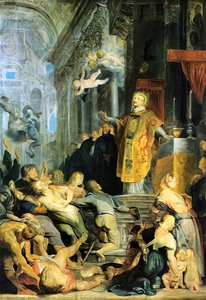
Peter Paul Rubens' 1631 rendition of the *Last Supper* is a powerful and dynamic interpretation of this pivotal biblical scene. Measuring an impressive 304 x 250 cm, the oil on canvas painting currently resides in the Pinacoteca di Brera in Milan, Italy, captivating viewers with its Baroque energy and emotional depth. This work isn’t merely a depiction of a religious event; it's a theatrical experience brought to life through masterful brushwork and a keen understanding of human drama.Composition and Narrative
Rubens departs from the serene stillness often found in Renaissance depictions of the Last Supper, opting instead for a lively and engaging composition. Jesus is centrally positioned, yet doesn’t dominate the scene with aloofness; He's actively engaged within the group. The apostles are clustered around the table, reacting to Christ’s announcement of his impending betrayal with a range of emotions – disbelief, sorrow, questioning, and suspicion. The setting itself is intriguing—suggesting not a simple refectory but perhaps a library or study, indicated by books visible in the background, adding an intellectual layer to the scene. The inclusion of wine glasses and food further emphasizes the intimacy of the gathering before the impending tragedy.Technique and Artistic Style
Rubens’s signature Baroque style is on full display here. His technique is characterized by bold brushstrokes, a rich and vibrant color palette, and a masterful use of *chiaroscuro* – the dramatic interplay of light and shadow. This isn't simply about creating visual contrast; it’s about directing the viewer’s eye to key figures and emphasizing emotional intensity. The play of light across faces and fabrics imbues the scene with realism and heightens the sense of drama. Rubens’s skill in rendering textures – from the sheen of the tablecloth to the folds of clothing – is remarkable, showcasing his technical virtuosity.Symbolism and Interpretation
Beyond its visual splendor, *The Last Supper* is rich in symbolism. The bread and wine, central elements on the table, represent the Eucharist—the body and blood of Christ—and foreshadow the sacrifice to come. Notably, Judas Iscariot is depicted subtly but distinctly, often identified by his shadowed face and averted gaze, hinting at his betrayal. The dog present in the scene, a common motif in Northern European art, can be interpreted as representing loyalty or, conversely, greed – potentially alluding to Judas’s motives. Rubens skillfully weaves these symbolic elements into the narrative, inviting viewers to contemplate the deeper theological meaning of the event.Historical Context and Legacy
Created during the Counter-Reformation, a period when the Catholic Church sought to reaffirm its doctrines through art, Rubens' *Last Supper* served as both a devotional image and a powerful statement of faith. Rubens was deeply influenced by Renaissance masters like Leonardo da Vinci (whose own *Last Supper* fresco served as inspiration), but he infused his work with a distinctly Baroque sensibility—emphasizing movement, emotion, and dramatic impact. This painting exemplifies Rubens’s position as one of the most influential artists of the 17th century, shaping the course of European art for generations to come.Key Details
- Artist: Peter Paul Rubens
- Title: The Last Supper
- Year: 1631
- Medium: Oil on Canvas
- Dimensions: 304 x 250 cm
- Location: Pinacoteca di Brera, Milan, Italy
常见问题与解答
是否有与“Last Supper”风格相似的作品?
鲁本斯 的《Last Supper》 的 相似作品 页面展示了相关艺术作品。
针对 鲁本斯 的《Last Supper》 的版画,推荐的尺寸和方向是什么?
对于“Last Supper”,建议的打印设置尺寸为 大尺寸,方向为 竖幅。
"Last Supper" 创作于哪一年?
"Last Supper"创作于1631年。这一时期将该作品置于鲁本斯的艺术生涯及其所处时代之中。
 实景预览
实景预览
 分享
分享 分享
分享
 详情
详情 指南
指南

 下载作品
下载作品
 相似作品
相似作品 X射线
X射线 幻灯片播放
幻灯片播放 问答
问答 统计数据
统计数据