效果预览
效果预览
 购买印刷品
购买印刷品 分享
分享 分享
分享
 详情
详情

 下载
下载
 相似作品
相似作品 X射线
X射线 幻灯片播放
幻灯片播放Immaculate Conception


 展开详情
展开详情




P118B $10

P118H $10

P118W $10

P438Z $10

P508JH $12

P508YH $12

P805H $10

P805Z $10

P919BZ $10

P919G $10

P919XJ $10

P959ZH $10

P968JZ $12

W106C $8

W218G $10

W218JH $8

W218Y $10

W307PJ $10

W316G $10

W316PJ $8

W316Y $10

W398PJ $8

W4111J $10

W500HY $15

W500JH $15

W692G $12

W849H $8

W940BG $15

W953PJ $8




从与原作比例一致的预设尺寸中进行选择。

您可以输入自定义尺寸,以适配特定的画框或空间。如果所选尺寸与原图比例不符,我们将通过裁剪作品或添加手绘元素来扩展画面。数字样稿将在制作开始前发送给您确认。
请注意,屏幕预览无法准确反映实际的裁剪或扩展效果,只有样稿才能真实呈现最终的构图。
虽然我们提供定制尺寸服务,但为了保留原作比例,建议您从预设列表中选择尺寸。
下单后,OriginalUniqueArt.com 团队将通过电子邮件联系客户获取具体要求,并提供效果预览图。


 玻璃选项仅适用于110厘米以下的尺寸。

Immaculate Conception
复制材质
复制品尺寸
-


最终总价
$ 300
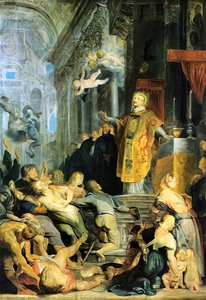
A Divine Vision: The Immaculate Conception by Peter Paul Rubens
Peter Paul Rubens’ Immaculate Conception, a painting brimming with vibrant color and dynamic movement, isn't merely a depiction of the Virgin Mary; it’s an immersive experience of Baroque fervor. Completed in 1628 during his time in Madrid, Spain, this work transcends simple religious iconography to become a testament to Rubens’ unparalleled skill in capturing both spiritual grandeur and earthly beauty. Housed within the Museo del Prado, its presence commands attention, inviting viewers into a world where divine grace intertwines with human emotion.
At first glance, the painting presents a scene of profound serenity: Mary stands upon a globe, a subtle yet powerful symbol of her role as protector and nurturer of humanity. Dressed in sumptuous robes—a fiery red tunic contrasted by deep blues—she is adorned with a radiant crown of stars, immediately elevating her to a position of unparalleled sanctity. The composition isn’t static; angels swirl around her, their wings catching the light, while at her feet, a coiled serpent represents the vanquishing of evil – a potent visual narrative woven into the fabric of faith. Rubens masterfully employs chiaroscuro, utilizing dramatic contrasts between light and shadow to draw our gaze directly to Mary’s face, radiating an almost palpable sense of peace and maternal love.
The Baroque Palette: Color, Light, and Drama
Rubens' signature style is immediately evident in the painting’s explosive use of color. He eschews the muted tones often associated with religious art of the period, instead embracing a palette rich in reds, blues, golds, and greens—colors that pulsate with life and energy. This vibrant approach was deeply influenced by his time in Italy, particularly his exposure to Caravaggio's dramatic *tenebrism*, where stark contrasts between light and dark heighten emotional impact. The golden light bathing the scene isn’t merely decorative; it symbolizes divine grace illuminating Mary’s purity and virtue. Notice how Rubens builds layers of color, creating a sense of depth and volume that draws us into the heart of the composition.
Technically, the painting showcases Rubens' mastery of oil paint. He employs loose brushstrokes—a hallmark of his style—to create an impressionistic effect, capturing not just the details of Mary’s robes but also the swirling movement of the angels and the subtle textures of the globe beneath her feet. The meticulous rendering of fabric, particularly the folds in Mary's garments, demonstrates a remarkable attention to detail, while simultaneously contributing to the painting’s overall sense of dynamism.
A Royal Patronage and Historical Context
The Immaculate Conception was painted during Rubens’ visit to Madrid in 1628, where he served as court painter to King Philip IV of Spain. This encounter profoundly shaped the work, reflecting the religious fervor and artistic patronage prevalent within the Spanish royal court at the time. The painting's grandeur and emotional intensity align perfectly with the Baroque aesthetic favored by the Habsburg monarchy, who sought to project an image of power, piety, and cultural sophistication. It’s believed that Philip IV himself commissioned the work, recognizing its ability to inspire awe and reverence.
Beyond its royal connections, the painting speaks to a broader theological debate surrounding Mary's role in salvation history. The doctrine of the Immaculate Conception—that Mary was conceived without original sin—was gaining traction during this period, and Rubens’ depiction powerfully embodies this belief. Interestingly, the work predates the formal definition of the dogma by nearly two centuries, yet it anticipates the theological arguments that would ultimately solidify its place within Catholic doctrine.
A Timeless Legacy
The Immaculate Conception remains a cornerstone of Baroque art and a testament to Peter Paul Rubens’ artistic genius. Its blend of religious symbolism, vibrant colors, and dynamic composition continues to resonate with viewers today, offering insights into the spiritual and cultural values of the 17th century. It's more than just a beautiful painting; it’s a window into a world where faith, art, and power converged in spectacular fashion. For those seeking to explore further works by Rubens, we encourage you to visit Peter Paul Rubens: Immaculate Conception on OriginalUniqueArt. Additionally, delve deeper into the life and work of this master at Peter Paul Rubens - Wikipedia.
艺术家简介
Sir Peter Paul Rubens:巴洛克艺术的巅峰
Sir Peter Paul Rubens,一个在艺术史上熠熠生辉的名字,不仅仅是一位画家,更是一位外交家、学者和文化建筑师,他深刻地改变了十七世纪欧洲的艺术格局。 他于德国西根出生于1577年,早年生活充满变迁——这经历潜移默化地影响了他的作品中蕴含着戏剧性和情感深度。他的父亲约翰·鲁本斯是一位逃离宗教迫害的律师,将家庭从西班牙统治下的安特卫普迁回,这一最初的流亡培养了他坚韧和适应能力,这些品质贯穿了他多方面的职业生涯。 在父亲去世后,他于1587年回到安特卫普,在那里接受了人文主义教育,并在大约1590年开始艺术训练,师从托比亚斯·韦哈赫特和亚当·范诺尔特,熟练掌握绘画技巧和素描技能。 然而,与奥托·范威恩的合作却至关重要,这让他接触到了文艺复兴时期艺术的丰富遗产——一个他将热情拥抱的世界。文艺复兴的启迪与艺术的融合
在1600年,鲁本斯踏上了变革性的旅程前往意大利,这是一次对艺术视界的终极洗礼。 他整整八年沉浸于米开朗琪罗、拉斐尔和提塞亚的作品之中,吸收了他们的形式美学、色彩技巧和构图理念。 这些文艺复兴大师的影响在鲁本斯早期的意大利作品中显而易见,这些作品以古典主题和理想化的人物为特色。 然而,鲁本斯并没有简单地模仿; 他将这些影响与自己的天赋相结合,发展出一种独特的风格,这种风格具有鲜艳的色彩、动态构图和对人体形态的感性描绘。 他一丝不苟地研究了人体结构,从而塑造了人物既有物理现实又有情感力量——充满活力和运动的身体,这正是他巴洛克风格的标志。 这段时期不仅是艺术发展过程,也是深刻的思想启迪,培养了他对古典神话和文学的热爱,这些主题将成为他作品中的反复出现的主题。 返回安特卫普于1608年之后,鲁本斯迅速确立了作为时代最杰出的艺术家的位置,无数委托为他而来,证明了他的卓越才华和在艺术领域占据领先地位。多才多艺的画家:超越界限的创作
鲁本斯是一位极具多样性和创造力的艺术家。 他不满足于单一的艺术形式; 相反,他在历史绘画、神话场景、肖像画、风景画和宗教作品等多个领域都取得了卓越成就——这充分体现了他的多才多艺和无限潜力。 他创作的大幅画作通常用于教堂、宫殿和公共空间,展现了他惊人的技术水平和戏剧性叙事能力。 他运用了精湛的油画技巧,通过点彩法创造纹理和深度,同时巧妙地运用光线和阴影来增强视觉冲击力。 他经常采用象征符号和人物形象,为作品增添了复杂含义和解读空间。 这些创作不仅展现了他艺术天赋,更体现了他对时代精神的深刻理解和创新能力。巴洛克风格的巅峰与影响
鲁本斯的作品具有独特的巴洛克风格特征:动态构图、鲜艳色彩、感性描绘以及对人体形态的精妙表现。 他将文艺复兴时期古典艺术的理想美学与当时社会的需求相结合,为艺术创作开辟了全新道路。 通过对人体结构的细致研究和对光线运用的创新尝试,鲁本斯不仅创造了视觉上的震撼力,更赋予作品深刻的情感表达能力。 他对绘画技巧的精湛掌握以及对历史题材的巧妙处理,使他的作品超越了传统艺术形式的限制,成为当时艺术审美的重要标准。 鲁本斯的作品影响了无数后人,例如安东尼·范戴克、雅各布·乔丹斯和欧仁·德拉克罗瓦等画家都从鲁本斯的动态构图、鲜艳色彩和感性人物形象中汲取灵感。 他不仅定义了巴洛克艺术风格——他提升了绘画的艺术价值和影响力,巩固了安特卫普作为十七世纪欧洲艺术中心的地位。 他将成为艺术史上的一个永恒传奇,象征着人类创造力的强大力量以及巴洛克艺术风格的辉煌与壮丽。 鲁本斯的作品不仅是艺术成就的象征,也是文化历史的重要遗产。 通过对古典艺术的继承和创新,他为欧洲艺术发展开辟了崭新的方向,并在艺术史上留下了深刻而持久的影响。 他是一位真正的艺术家大师,他的作品将继续激励后人不断探索艺术的边界与可能性。
鲁本斯
1577 - 1640 , 德国
艺术家简介
- Artistic Movement Or Style: 巴洛克藝術風格
- Artists Or Movements Influenced By This Artist: ['安東尼·萬·迪克']
- Artists Who Influenced This Artist:
- 米開朗琪羅斯
- 拉斐爾
- 提提安
- Date Of Birth: 1577年6月28日
- Date Of Death: 1640年5月30日
- Full Name: Sir Peter Paul Rubens
- Nationality: 荷蘭人
- Notable Artworks:
- 十字架昇起畫作
- 聖母瑪利亞與聖嬰的處刑畫作
- Place Of Birth: 德國SIEGEN
相关文章

Peter Paul Rubens: A Baroque Master's Life, Legacy & Enduring Influence
Discover the life & art of Peter Paul Rubens, the most influential artist of the Flemish Baroque tradition. Explore his masterpieces, legacy, and impact on art history with OriginalUniqueArt.

巴洛克艺术的戏剧性辉煌:历史背景、风格特征与持久影响
深入探索巴洛克艺术的辉煌历史、独特风格与持久影响。了解卡拉瓦乔、贝尼尼等大师的作品,洞悉反宗教改革运动下的艺术变革。OriginalUniqueArt.com为您提供专业的艺术解读与高清画作欣赏。

巴洛克艺术巅峰:十部巨作定义时代,点亮您的臻品格调
探索巴洛克艺术的辉煌!本文精选十部巨作,带您领略卡拉瓦乔、伦勃朗等大师的光影魔法与戏剧张力。从黄金时代到宗教绘画,感受奢华与精致。OriginalUniqueArt.com为您提供博物馆品质的艺术复制品和家居装饰灵感。尽在OriginalUniqueArt.com!
巴洛克肖像画:权力、情感与艺术革新——历史、赞助与技法探析
探索巴洛克肖像画的魅力!OriginalUniqueArt 提供精湛手绘复制品,深入解读历史、技法与大师。专业艺术咨询,打造您的专属艺术空间。值得信赖的选择,尊享品质艺术。

巴洛克戏剧性:将辉煌与情感融入当代室内设计
探索巴洛克艺术的辉煌与奢华!OriginalUniqueArt提供精湛的手工油画复制、定制服务和专业艺术咨询,助您将经典作品融入当代室内设计,提升家居品味。投资艺术,传承价值。