实景预览
实景预览
 发送
发送 分享
分享
 详情
详情 指南
指南

 下载图片
下载图片
 相似作品
相似作品 X射线
X射线 幻灯片播放
幻灯片播放 统计数据
统计数据Chained Prometheus


 阅读全文
阅读全文
艺术微喷/版画
博物馆级艺术微喷或帆布版画,制作高效,并提供多种饰面选择。 ( 订购此收藏品的纯手工复刻画作 切换至数字图像销售渠道)




P118B ¥10

P118H ¥10

P118W ¥10

P438Z ¥10

P508JH ¥12

P508YH ¥12

P805H ¥10

P805Z ¥10

P919BZ ¥10

P919G ¥10

P919XJ ¥10

P959ZH ¥10

P968JZ ¥12

W106C ¥8

W218G ¥10

W218JH ¥8

W218Y ¥10

W307PJ ¥10

W316G ¥10

W316PJ ¥8

W316Y ¥10

W398PJ ¥8

W4111J ¥10

W500HY ¥15

W500JH ¥15

W692G ¥12

W849H ¥8

W940BG ¥15

W953PJ ¥8




您可以从与原作比例一致的预设尺寸中进行选择。

请输入您所需的宽度和高度,以适配您的画框或墙面。由于印刷品只能进行裁剪,无法超出原图尺寸,因此若比例不一致,画面的一部分将会被裁切。在正式印刷之前,我们会为您发送一份数字效果图供您确认。本页面显示的图片并非最终裁剪后的效果——只有效果图才能展示真实的裁剪情况。


 玻璃选项仅适用于110厘米以下的尺寸。

Chained Prometheus
艺术微喷/版画
复刻品尺寸说明
-


总计金额
¥ 538
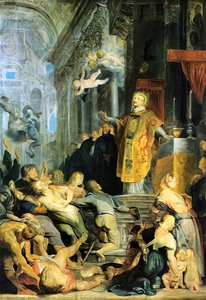
The Tormented Titan: Unpacking Peter Paul Rubens’ “Chained Prometheus”
Peter Paul Rubens' "Chained Prometheus" is not merely a depiction of a Greek myth; it’s a visceral embodiment of struggle, defiance, and the enduring human spirit. Completed in his Antwerp studio around 1618 – often in collaboration with the skilled animalist Frans Snyders – this oil painting transcends its mythological subject matter to become a profound meditation on suffering, resilience, and the eternal conflict between individual will and divine authority. The scene unfolds with dramatic intensity: Prometheus, the Titan who gifted fire and knowledge to humanity, is brutally bound to a rocky crag, his body ravaged by an eagle’s relentless assault. This isn't a serene mythological tableau; it’s a raw, almost violent portrayal of punishment and endurance. The painting’s power lies in Rubens’ masterful command of Baroque technique. He employs *tenebrism*, a dramatic contrast between light and shadow, to heighten the emotional impact. The figure of Prometheus is bathed in an ethereal glow, highlighting his muscular physique and conveying a sense of heroic dignity despite his plight. Conversely, the surrounding landscape – rendered with meticulous detail by Snyders – is plunged into darkness, emphasizing the oppressive nature of his confinement. Notice how the jagged rocks and swirling clouds contribute to the overall feeling of chaos and despair. The use of color is equally striking: vibrant reds and oranges dominate Prometheus’s exposed flesh, symbolizing both his suffering and his fiery spirit, while cool blues and greens evoke the desolate wilderness surrounding him. Rubens' signature loose brushstrokes and dynamic composition – a deliberate departure from the rigid formality of earlier styles – contribute to the painting’s sense of movement and urgency. The myth of Prometheus is central to understanding this work. In Greek mythology, Prometheus defied Zeus by stealing fire from Mount Olympus and gifting it to humanity. As punishment for his transgression, he was chained to an unyielding rock, forced to have his liver devoured daily by an eagle – a symbol of divine retribution. Rubens doesn’t shy away from the brutality of this punishment; the graphic detail of the eagle's beak tearing into Prometheus’s flesh is both shocking and deeply affecting. However, it’s crucial to recognize that Rubens isn’t simply presenting a tale of suffering. Prometheus’s defiant gaze – locked onto the approaching predator – speaks volumes about his unwavering spirit and his refusal to submit to Zeus’s tyranny. He embodies the archetype of the rebel, the champion of humanity, willing to endure unimaginable torment for the sake of progress and enlightenment. The painting's historical context is equally important. Created during a period of religious upheaval and political instability in Europe, “Chained Prometheus” can be interpreted as an allegory for the struggles faced by artists and intellectuals under oppressive regimes. Rubens himself was a diplomat and court painter, navigating complex political landscapes while striving to maintain his artistic independence. The image of a Titan enduring relentless punishment resonates with those who challenged established authority – a theme particularly relevant during the Counter-Reformation, when the Catholic Church sought to reassert its dominance after the Protestant Reformation. The inclusion of Frans Snyders, known for his dramatic animal paintings, further emphasizes this connection, suggesting a shared interest in portraying powerful forces and their impact on human existence. Beyond its mythological narrative, “Chained Prometheus” offers a profound meditation on themes of sacrifice, resilience, and the enduring power of the human spirit. The painting’s emotional intensity – fueled by Rubens' masterful use of light, color, and composition – continues to captivate viewers centuries after its creation. It serves as a potent reminder that even in the face of overwhelming adversity, the capacity for defiance and hope remains an essential part of what it means to be human. The work’s legacy endures not only through its artistic merit but also as a timeless symbol of resistance against injustice and oppression.问答详情
"Chained Prometheus" 属于 鲁本斯 艺术生涯中的哪个时期?
“Chained Prometheus”属于鲁本斯艺术生涯中的Mature Period时期。这一分类将该作品与艺术家的创作发展历程联系在一起。
哪种空间能与 鲁本斯 的《Chained Prometheus》 的色彩相得益彰?
考虑到其Earthy的色调,建议将“Chained Prometheus”布置于Living Room中。
"Chained Prometheus" 的色彩呈现出浓郁还是柔和的视觉感?
“Chained Prometheus”的色彩饱和度为Vivid。饱和度描述了色彩呈现的浓郁程度。
艺术家简介
Sir Peter Paul Rubens:巴洛克艺术的巅峰
Sir Peter Paul Rubens,一个在艺术史上熠熠生辉的名字,不仅仅是一位画家,更是一位外交家、学者和文化建筑师,他深刻地改变了十七世纪欧洲的艺术格局。 他于德国西根出生于1577年,早年生活充满变迁——这经历潜移默化地影响了他的作品中蕴含着戏剧性和情感深度。他的父亲约翰·鲁本斯是一位逃离宗教迫害的律师,将家庭从西班牙统治下的安特卫普迁回,这一最初的流亡培养了他坚韧和适应能力,这些品质贯穿了他多方面的职业生涯。 在父亲去世后,他于1587年回到安特卫普,在那里接受了人文主义教育,并在大约1590年开始艺术训练,师从托比亚斯·韦哈赫特和亚当·范诺尔特,熟练掌握绘画技巧和素描技能。 然而,与奥托·范威恩的合作却至关重要,这让他接触到了文艺复兴时期艺术的丰富遗产——一个他将热情拥抱的世界。文艺复兴的启迪与艺术的融合
在1600年,鲁本斯踏上了变革性的旅程前往意大利,这是一次对艺术视界的终极洗礼。 他整整八年沉浸于米开朗琪罗、拉斐尔和提塞亚的作品之中,吸收了他们的形式美学、色彩技巧和构图理念。 这些文艺复兴大师的影响在鲁本斯早期的意大利作品中显而易见,这些作品以古典主题和理想化的人物为特色。 然而,鲁本斯并没有简单地模仿; 他将这些影响与自己的天赋相结合,发展出一种独特的风格,这种风格具有鲜艳的色彩、动态构图和对人体形态的感性描绘。 他一丝不苟地研究了人体结构,从而塑造了人物既有物理现实又有情感力量——充满活力和运动的身体,这正是他巴洛克风格的标志。 这段时期不仅是艺术发展过程,也是深刻的思想启迪,培养了他对古典神话和文学的热爱,这些主题将成为他作品中的反复出现的主题。 返回安特卫普于1608年之后,鲁本斯迅速确立了作为时代最杰出的艺术家的位置,无数委托为他而来,证明了他的卓越才华和在艺术领域占据领先地位。多才多艺的画家:超越界限的创作
鲁本斯是一位极具多样性和创造力的艺术家。 他不满足于单一的艺术形式; 相反,他在历史绘画、神话场景、肖像画、风景画和宗教作品等多个领域都取得了卓越成就——这充分体现了他的多才多艺和无限潜力。 他创作的大幅画作通常用于教堂、宫殿和公共空间,展现了他惊人的技术水平和戏剧性叙事能力。 他运用了精湛的油画技巧,通过点彩法创造纹理和深度,同时巧妙地运用光线和阴影来增强视觉冲击力。 他经常采用象征符号和人物形象,为作品增添了复杂含义和解读空间。 这些创作不仅展现了他艺术天赋,更体现了他对时代精神的深刻理解和创新能力。巴洛克风格的巅峰与影响
鲁本斯的作品具有独特的巴洛克风格特征:动态构图、鲜艳色彩、感性描绘以及对人体形态的精妙表现。 他将文艺复兴时期古典艺术的理想美学与当时社会的需求相结合,为艺术创作开辟了全新道路。 通过对人体结构的细致研究和对光线运用的创新尝试,鲁本斯不仅创造了视觉上的震撼力,更赋予作品深刻的情感表达能力。 他对绘画技巧的精湛掌握以及对历史题材的巧妙处理,使他的作品超越了传统艺术形式的限制,成为当时艺术审美的重要标准。 鲁本斯的作品影响了无数后人,例如安东尼·范戴克、雅各布·乔丹斯和欧仁·德拉克罗瓦等画家都从鲁本斯的动态构图、鲜艳色彩和感性人物形象中汲取灵感。 他不仅定义了巴洛克艺术风格——他提升了绘画的艺术价值和影响力,巩固了安特卫普作为十七世纪欧洲艺术中心的地位。 他将成为艺术史上的一个永恒传奇,象征着人类创造力的强大力量以及巴洛克艺术风格的辉煌与壮丽。 鲁本斯的作品不仅是艺术成就的象征,也是文化历史的重要遗产。 通过对古典艺术的继承和创新,他为欧洲艺术发展开辟了崭新的方向,并在艺术史上留下了深刻而持久的影响。 他是一位真正的艺术家大师,他的作品将继续激励后人不断探索艺术的边界与可能性。
鲁本斯
1577 - 1640 , 德国
快速概览
- Artistic Movement Or Style: 巴洛克藝術風格
- Artists Or Movements Influenced By This Artist: ['安東尼·萬·迪克']
- Artists Who Influenced This Artist:
- 米開朗琪羅斯
- 拉斐爾
- 提提安
- Date Of Birth: 1577年6月28日
- Date Of Death: 1640年5月30日
- Full Name: Sir Peter Paul Rubens
- Nationality: 荷蘭人
- Notable Artworks:
- 十字架昇起畫作
- 聖母瑪利亞與聖嬰的處刑畫作
- Place Of Birth: 德國SIEGEN
相关文章
巴洛克古典主义:十七世纪艺术中的戏剧性与秩序融合
深入探索17世纪巴洛克古典主义艺术的戏剧性与秩序之美。卡拉瓦乔、鲁本斯等大师作品解析,揭秘宗教改革下的艺术策略,并了解凡尔赛宫的辉煌历史。OriginalUniqueArt.com为您提供专业的艺术鉴赏与定制服务。

巴洛克艺术的戏剧性辉煌:历史背景、风格特征与持久影响
深入探索巴洛克艺术的辉煌历史、独特风格与持久影响。了解卡拉瓦乔、贝尼尼等大师的作品,洞悉反宗教改革运动下的艺术变革。OriginalUniqueArt.com为您提供专业的艺术解读与高清画作欣赏。

巴洛克戏剧性:将辉煌与情感融入当代室内设计
探索巴洛克艺术的辉煌与奢华!OriginalUniqueArt提供精湛的手工油画复制、定制服务和专业艺术咨询,助您将经典作品融入当代室内设计,提升家居品味。投资艺术,传承价值。

巴洛克艺术巅峰:十部巨作定义时代,点亮您的臻品格调
探索巴洛克艺术的辉煌!本文精选十部巨作,带您领略卡拉瓦乔、伦勃朗等大师的光影魔法与戏剧张力。从黄金时代到宗教绘画,感受奢华与精致。OriginalUniqueArt.com为您提供博物馆品质的艺术复制品和家居装饰灵感。尽在OriginalUniqueArt.com!

Peter Paul Rubens: A Baroque Master's Life, Legacy & Enduring Influence
Discover the life & art of Peter Paul Rubens, the most influential artist of the Flemish Baroque tradition. Explore his masterpieces, legacy, and impact on art history with OriginalUniqueArt.