切换至版画销售渠道
 展开全文
展开全文







































 对于任何边长超过 105 厘米(约 41 英寸)的艺术品或复制品,画框将以拆解后的组件形式发货。此方法可确保安全送达并防止运输过程中的损坏。


A Masterpiece of Neoclassical Restraint and Psychological Insight
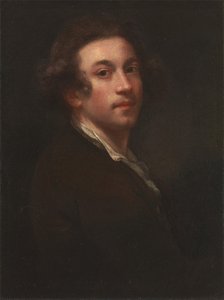
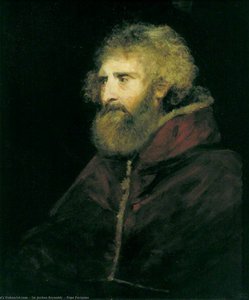
Sir Joshua Reynolds' “Self Portrait,” completed around 1788, stands as a cornerstone of British portraiture during the High Georgian era—a period defined by intellectual fervor and aristocratic patronage. More than just a likeness, it’s an exquisitely crafted meditation on identity, ambition, and the artist’s own perception of his place within society.
- Subject Matter: Reynolds meticulously rendered himself in a pose embodying classical ideals—a deliberate choice reflecting the burgeoning influence of Greek sculpture and Roman portraiture on artistic sensibilities. The figure is positioned centrally, commanding attention with an unwavering gaze that speaks to both confidence and introspection.
- Style & Technique: Executed in oil paint on canvas using meticulous brushstrokes and shading techniques, Reynolds’ approach exemplifies Neoclassicism's commitment to realism combined with idealized form. He skillfully employs chiaroscuro—the dramatic interplay of light and shadow—to sculpt the contours of his face and drapery, creating a palpable sense of depth and volume.
Historical Context: The Enlightenment’s Embrace of Form and Reflection
Reynolds' oeuvre was deeply rooted in the intellectual currents of the Enlightenment. This era championed reason, observation, and an appreciation for classical antiquity as models for moral conduct and artistic excellence. “Self Portrait” embodies these values—a testament to Reynolds’ belief that art could elevate the human spirit and capture the essence of individual character.
- Social Significance: Portraits like this served not merely as visual records but also as statements of social status and ambition. Reynolds' self-portrait was commissioned by wealthy patrons eager to secure their legacy through artistic representation—a practice that underscored the importance of appearance and reputation within Georgian society.
- Reynolds’ Artistic Philosophy: Reynolds famously argued that an artist should strive to depict “the soul” rather than simply capturing a superficial likeness. This conviction is powerfully conveyed in “Self Portrait,” where Reynolds' gaze conveys both dignity and vulnerability—a subtle acknowledgment of the complexities inherent in human experience.
Decoding Symbolism: Light, Shadow, and Artistic Identity
The masterful use of light and shadow contributes significantly to the artwork’s symbolic resonance. The stark contrast between illuminated areas and darkened recesses emphasizes Reynolds' facial features—drawing attention to his eyes, which appear to hold a profound awareness. Furthermore, the dark background serves as a foil to the figure’s luminosity, reinforcing the idea that inner beauty transcends outward appearances.
- Classical Influence: Reynolds’ compositional choices align with established conventions of Neoclassical portraiture—drawing inspiration from sculptures by artists like Michelangelo and Bernini. These figures conveyed similar notions of idealized form and psychological depth.
- Artist's Self-Representation: Ultimately, “Self Portrait” is a profound exploration of artistic identity—a declaration that Reynolds recognized himself as both an individual and a conduit for conveying universal human truths. It remains a compelling reminder of the power of art to illuminate the complexities of the human condition.
A Legacy Enduring Through Reproduction
Today, high-quality reproductions of Sir Joshua Reynolds’ “Self Portrait” allow admirers worldwide to experience the artistry and intellectual spirit of this pivotal moment in British art history. OriginalUniqueArt offers exceptional prints that faithfully capture the nuances of Reynolds' technique and evoke the same sense of dignified contemplation.
常见问题与解答
乔治·雷诺兹 的《Self Portrait》 的创作年份是哪一年?
乔治·雷诺兹 的《Self Portrait》创作于1788年。
哪家博物馆收藏了《Self Portrait》的原作?
乔治·雷诺兹 的《Self Portrait》 的原作收藏于 伦敦塔桥皇家宫殿, 伦敦, 英国。通过复制品,您也可以在居家环境中欣赏这部杰作。
乔治·雷诺兹 的《Self Portrait》 的色彩和谐度如何?
乔治·雷诺兹 的《Self Portrait》 的色彩呈现出一种 Strong Color Unity 的和谐感。这种和谐感描述了色彩之间的相互关系。
 实景预览
实景预览
 分享
分享 分享
分享
 详情
详情 指南
指南

 下载作品
下载作品
 相似作品
相似作品 X射线
X射线 幻灯片播放
幻灯片播放 问答
问答 统计数据
统计数据