 切换至版画销售渠道
 展开全文
展开全文







































 对于任何边长超过 105 厘米(约 41 英寸)的艺术品或复制品,画框将以拆解后的组件形式发货。此方法可确保安全送达并防止运输过程中的损坏。


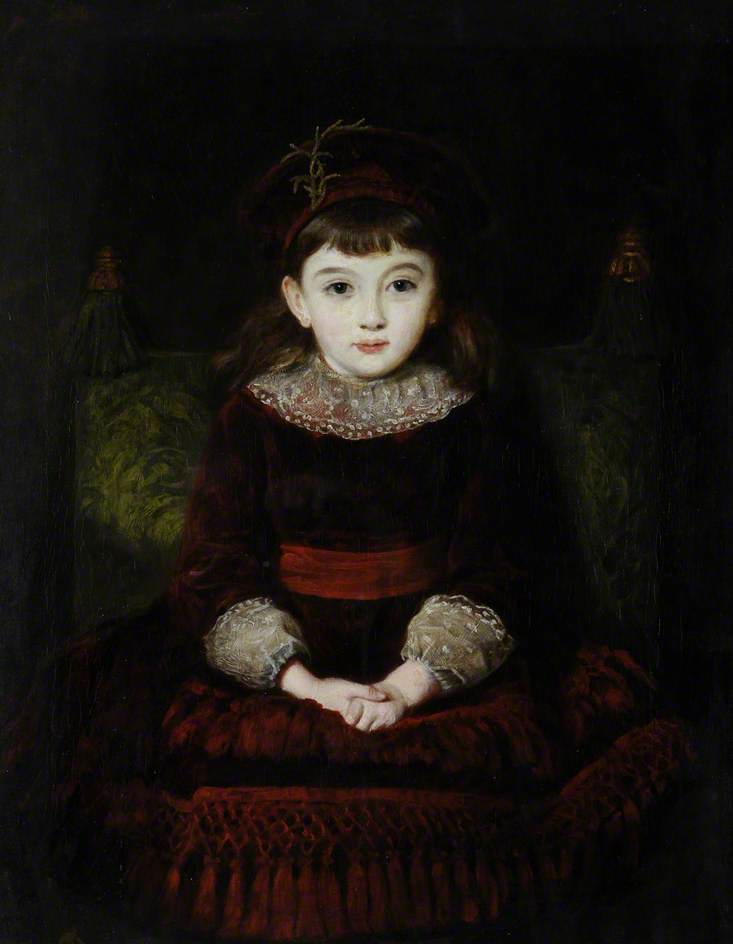
A Window into Victorian Soul: Examining Millais’s “Day Dreams”
Sir John Everett Millais’s “Day Dreams,” completed in 1874, stands as a quintessential emblem of Pre-Raphaelite art—a movement that vehemently rejected the idealized conventions of academic painting and championed meticulous observation alongside profound emotional resonance. More than just a depiction of a young girl seated serenely in a chair, this canvas embodies a complex tapestry of artistic innovation and Victorian sensibilities.
- Subject Matter & Context: The portrait captures Eliza Calvert Wright, daughter of prominent botanist John William Wright, amidst a meticulously recreated meadow scene. This deliberate choice wasn’t merely decorative; it served as a cornerstone of the Pre-Raphaelite ethos – an insistence on grounding artistic vision in direct engagement with nature and capturing its beauty with uncompromising realism. The Victorian era was deeply invested in portraying domestic tranquility and moral virtue, mirroring the Wright family's values.
- Style & Technique: Millais’s mastery lies in his painstaking technique—oil paint applied with precise brushstrokes onto canvas—a method that allowed for unparalleled textural detail. Glazes were skillfully employed to imbue the colors with luminosity and depth, capturing the subtle nuances of light filtering through the foliage. This dedication to realism distinguishes “Day Dreams” from its predecessors and firmly establishes it within the Pre-Raphaelite canon.
- Composition & Visual Elements: The composition prioritizes stillness and contemplation, centering on Eliza’s figure against a dark backdrop that emphasizes her presence. Lines delineate the contours of her face, dress, and chair with deliberate precision, highlighting the importance of form and structure. Geometric shapes are minimal, providing contrast to the flowing drapery—a characteristic feature of Pre-Raphaelite art.
- Color Palette & Texture: The color palette utilizes rich reds, browns, creams, and subtle greens, creating a mood of subdued elegance. Millais’s meticulous rendering of textures – velvet dress fabric, lace collar and sleeves, plush chair upholstery—is breathtaking. He achieved this remarkable level of detail by painstakingly layering paint to simulate the tactile qualities of each surface.
- Symbolism & Emotional Impact: Beyond its visual splendor, “Day Dreams” speaks volumes about Victorian ideals of femininity and inner life. Eliza’s gaze directs inward, suggesting a preoccupation with thoughts and emotions—a reflection of the Pre-Raphaelites' fascination with psychological depth. The painting evokes feelings of serenity, introspection, and perhaps a hint of melancholy, prompting viewers to contemplate themes of innocence, beauty, and contemplation.
“Day Dreams” remains an enduring masterpiece—a testament to Millais’s artistic genius and the Pre-Raphaelite movement's unwavering commitment to truthfulness and emotional expression. Its exquisite detail and evocative atmosphere continue to inspire admiration and offer a captivating glimpse into Victorian culture.
常见问题与解答
哪里可以找到与 米莱斯爵士 的《Day Dreams》 风格相似的艺术品?
米莱斯爵士 的《Day Dreams》 的 相似作品 页面展示了相关艺术作品。
米莱斯爵士 的《Day Dreams》 采用了什么技法?
米莱斯爵士 在作品《Day Dreams》中运用了 Acrylic On Canvas 技法。该技法界定了原作的材质特性。
哪种空间能与 米莱斯爵士 的《Day Dreams》 的色彩相得益彰?
凭借其Earthy的色调,米莱斯爵士 的《Day Dreams》非常适合布置在Living Room中。其色彩搭配正是这一推荐的核心原因。
 实景预览
实景预览
 分享
分享 分享
分享
 详情
详情 指南
指南

 下载作品
下载作品
 相似作品
相似作品 X射线
X射线 幻灯片播放
幻灯片播放 问答
问答 统计数据
统计数据