 实景预览
实景预览
 分享
分享 分享
分享
 详情
详情 指南
指南

 下载作品
下载作品
 相似作品
相似作品 X射线
X射线 幻灯片播放
幻灯片播放 问答
问答 统计数据
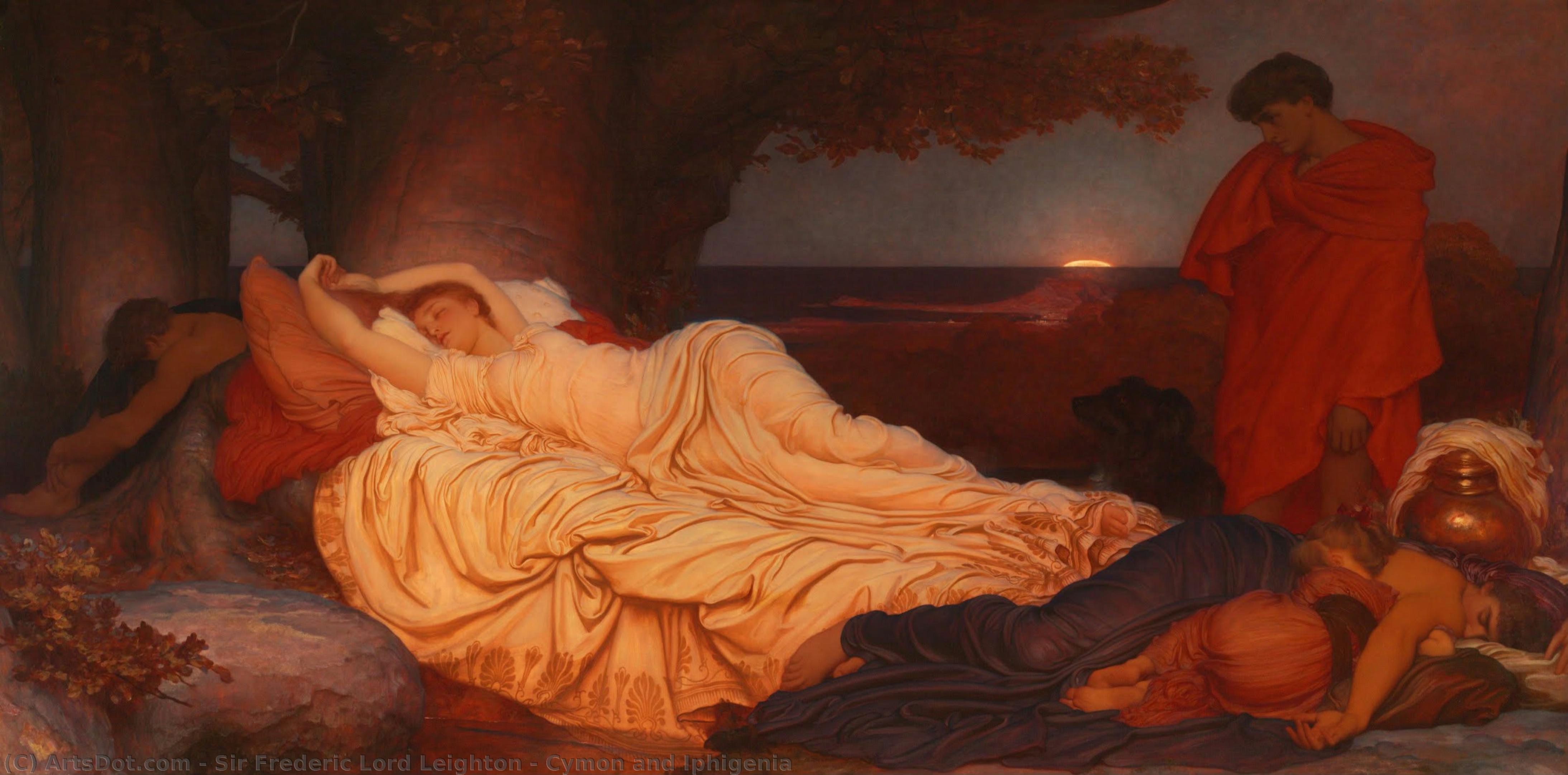
统计数据Cymon and Iphigenia

- 218.0 x 390.0 cm


 展开全文
展开全文
艺术微喷/版画
博物馆级艺术微喷或帆布版画,制作高效,并提供多种饰面选择。 ( 订购纯手工绘制画作 切换至数字图像销售渠道)




P118B ¥10

P118H ¥10

P118W ¥10

P438Z ¥10

P508JH ¥12

P508YH ¥12

P805H ¥10

P805Z ¥10

P919BZ ¥10

P919G ¥10

P919XJ ¥10

P959ZH ¥10

P968JZ ¥12

W106C ¥8

W218G ¥10

W218JH ¥8

W218Y ¥10

W307PJ ¥10

W316G ¥10

W316PJ ¥8

W316Y ¥10

W398PJ ¥8

W4111J ¥10

W500HY ¥15

W500JH ¥15

W692G ¥12

W849H ¥8

W940BG ¥15

W953PJ ¥8




您可以从与原作比例一致的预设尺寸中进行选择。

请输入您所需的宽度和高度,以适配您的画框或墙面。由于印刷品只能进行裁剪,无法超出原图尺寸,因此若比例不一致,画面的一部分将会被裁切。在正式印刷之前,我们会为您发送一份数字效果图供您确认。本页面显示的图片并非最终裁剪后的效果——只有效果图才能展示真实的裁剪情况。


 玻璃选项仅适用于110厘米以下的尺寸。

Cymon and Iphigenia
艺术微喷/版画
复刻品尺寸
-


最终结算价
¥ 544
A Vision of Ideal Beauty: Frederic Leighton’s “Cymon and Iphigenia”
Frederic Leighton's "Cymon and Iphigenia," painted in 1884, isn’t merely a depiction of Greek myth; it’s a carefully constructed tableau of Victorian ideals – a testament to beauty, virtue, and the transformative power of love. Leighton, already established as a Royal Academician and a master of historical painting, sought to elevate the narrative beyond its original source material, weaving in elements of Pre-Raphaelite sensuality and classical restraint into a scene brimming with quiet drama. The painting immediately draws the eye to Iphigenia, lying gracefully on a mossy bank beneath an ancient tree – her pose suggesting both languor and vulnerability. Her golden hair cascades around her face, illuminated by dappled sunlight that filters through the leaves, while her eyes are closed in peaceful slumber. The artist’s meticulous attention to detail is evident in every curve of her body, every ripple of fabric, and the delicate rendering of the foliage surrounding her.A Story of Awakening and Moral Ascent
The myth underpinning “Cymon and Iphigenia” originates from Boccaccio’s *Decameron*, a collection of tales set in Florence during the Black Death. The story recounts how the brutish youth Cymon, initially characterized by his rudeness and lack of refinement, encounters the beautiful Iphigenia. Through her presence, he undergoes a profound transformation, shedding his coarse manners and embracing intellectual pursuits – becoming a man of virtue and learning. Leighton cleverly captures this pivotal moment in the narrative, not through overt action but through subtle gestures and expressions. Cymon stands before her, gazing at her with an expression of rapturous admiration, while Iphigenia’s serene repose suggests that she has already initiated his moral awakening. The inclusion of a young slave girl, Lena, adds another layer to the scene, representing innocence and serving as a visual reminder of the transformative power of beauty.Technique and Aesthetic Choices
Leighton's mastery is evident in his masterful use of color and light. He employs a muted palette dominated by earthy greens, browns, and golds, creating an atmosphere of tranquility and timelessness. The lighting is particularly noteworthy – it’s diffused and atmospheric, casting long shadows and highlighting the textures of the foliage and Iphigenia's garments. The artist meticulously rendered every detail with painstaking precision, utilizing a smooth, polished technique that reflects his academic training. He drew heavily on classical sculpture for inspiration, evident in the idealized forms of the figures and the careful arrangement of the composition. The background landscape is deliberately vague, allowing the viewer’s attention to remain focused on the central figures. The use of a dark, almost velvety moss beneath Iphigenia further emphasizes her vulnerability and purity.Symbolism and Victorian Ideals
“Cymon and Iphigenia” is deeply rooted in the artistic and social conventions of Victorian England. The painting embodies several key ideals prevalent during that era: the celebration of beauty, the pursuit of virtue, and the reverence for classical antiquity. Leighton’s choice to depict a mythological scene rather than a contemporary subject allowed him to explore these themes within a framework of idealized beauty and moral instruction. The image speaks to the Victorian fascination with both Greek mythology and the concept of “moral education,” where art was seen as a tool for shaping virtuous citizens. Furthermore, the painting reflects Leighton’s own personal interests – his love of classical sculpture and his desire to create works that were both aesthetically pleasing and morally uplifting. The overall effect is one of serene contemplation, inviting viewers to reflect on the timeless themes of beauty, virtue, and transformation.A Legacy of Beauty: Reproductions and Inspiration
Today, “Cymon and Iphigenia” remains a beloved masterpiece, admired for its exquisite detail, evocative atmosphere, and profound symbolism. High-quality reproductions capture the painting’s luminous quality and intricate details, making it accessible to a wider audience. Its themes continue to resonate with art lovers and interior designers alike, who appreciate its timeless beauty and its ability to evoke a sense of tranquility and contemplation. When selecting a reproduction, consider the scale and framing options to best complement your space – allowing this iconic work of art to grace your home and inspire generations to come.常见问题与解答
是否有关于 弗雷德里克·莱顿爵士 的《Cymon and Iphigenia》 的幻灯片展示?
您可以在作品的 幻灯片展示 页面上以幻灯片形式浏览 弗雷德里克·莱顿爵士 的《Cymon and Iphigenia》。
"Cymon and Iphigenia" 的创作年份 1884 对应于 弗雷德里克·莱顿爵士 艺术生涯中的哪个阶段?
1884 年的创作日期将《Cymon and Iphigenia》置于 弗雷德里克·莱顿爵士 艺术发展的 Mature Period 时期。
"Cymon and Iphigenia"创作于哪一年,属于哪种艺术流派?
"Cymon and Iphigenia"创作于1884年,属于Academic Romanticism运动时期的作品。其创作年代与艺术流派确立了该作品在艺术史上的地位。
艺术家简介
光与影的交织:弗雷德里克·莱顿勋爵的世界
1830年,弗雷德里克·莱顿出生于英格兰斯卡伯勒一个富裕的家庭。他艺术之路的铺垫并非寻常,财富、教育以及对古典世界永不满足的好奇心交织在一起,共同塑造了他辉煌的艺术生涯。他的祖父曾担任俄罗斯沙皇的御医,这为年轻的莱顿提供了难得的机会,能够无拘无束地追求自己的热情——在19世纪艺术家们往往生活困窘的环境下,这是一份珍贵的优势。这份自由使他得以周游欧洲各地,沉浸于意大利、德国和法国的艺术潮流之中。在这些求学时期,莱顿师从爱德华·冯·施泰因勒和乔瓦尼·科斯塔等大师,逐渐形成了独特的风格——学院派的严谨与精准、前拉斐尔派的感性和细腻,以及对古典古代的深切敬意。18岁那年,莱顿在法兰克福偶遇哲学家叔本华,并创作了唯一一幅完整的叔本华肖像画。这一经历暗示着莱顿深刻的思想深度和探索人类存在的复杂性——这些主题将贯穿他数十年的艺术创作生涯。神话与历史的绘画表达
莱顿的艺术事业在那个时代蓬勃发展,当时人们对历史叙事、圣经故事和古典神话充满热情。但他并非简单地描绘这些题材,而是*融入*其中,一丝不苟地研究服饰、场景以及古代生活的细节,创作出既真实又极具戏剧性的作品。他的画作不仅仅是图像的呈现,更是一种沉浸式的体验,将观众带入神灵、英雄和被遗忘的帝国的世界。《克吕提亚》是他最著名的作品之一,完美地体现了这种手法。这幅画描绘了对太阳神阿波罗倾心爱慕的宁芙克吕提亚变成向日葵的景象。它不仅仅是一幅美丽的画面,更是对未得到回报的爱情、渴望以及自然力量的探索——以令人惊叹的细节和由内而外散发的光辉呈现出来。同样,《奉献达芙妮》则展现了莱顿在构图、色彩运用方面的精湛技艺,以及他捕捉运动和能量的能力。他不畏惧采用华丽的纹理、丰富的面料和戏剧性的光线——这些元素共同营造出作品的视觉盛宴。画布之外:雕塑与建筑视野
虽然莱顿主要以画家而闻名,但他对艺术的追求并不仅限于二维领域。他是一位才华横溢的雕塑家,《运动员与蟒蛇搏斗》,创作于1888年至1891年间,标志着英国雕塑界的一个重要时刻——通常被认为是当代雕塑实践复兴的开端,被称为“新雕塑”运动。这件用纯白大理石雕刻而成的作品,体现了力量与张力的完美结合。但莱顿的创作视野并未止步于此。他是一位狂热的艺术品和文物收藏家,尤其是来自近东地区的珍品。这些宝藏不仅仅是陈列品,而是融入了他住宅——位于伦敦霍兰公园的莱顿故居的设计之中。由乔治·艾奇森设计的莱顿故居本身就是一件杰作,是唯美主义风格的典范,既是住所又是工作室。标志性的阿拉伯大厅,以其错综复杂的瓷砖装饰和高耸的拱门而闻名,证明了莱顿折衷的品味以及他创造一个能够激发灵感和滋养创作的环境的愿望。《I》遗产与时代的共鸣
莱顿对英国艺术的影响深远。从1878年到去世前的1896年,他担任皇家学院院长职务长达18年,以卓越的姿态履行职责,倡导艺术卓越并营造充满活力的创作氛围。1878年被封为骑士爵士,1886年被授予男爵爵位,更值得一提的是,在他去世前一天,他获得了贵族头衔——这证明了他在艺术界以及社会各界获得的巨大尊重。尽管他的作品在去世后一段时间内一度受到冷落,被现代主义的兴起所掩盖,但近年来人们对莱顿艺术的兴趣显著复苏。今天,他的画作和雕塑因其精湛的技术、感人的力量以及将观众带入美丽而奇妙世界的能力而备受赞誉。- 他的作品继续激励着艺术家,并吸引着全球观众。
- 莱顿故居博物馆作为他艺术视野的持久纪念碑,仍然是一个重要的文化地标。
- 他代表了维多利亚时代理想、古典影响和前拉斐尔派感性的迷人交汇——英国艺术史上独特的声响。

弗雷德里克·莱顿爵士
1830 - 1896 , 英国
艺术家简介
- Artistic Movement Or Style: 学院派,前拉斐尔派
- Artists Who Influenced This Artist:
- 爱德华·冯·施泰因莱
- 乔瓦尼·科斯塔
- Date Of Birth: 1830年12月3日
- Date Of Death: 1896年1月25日
- Full Name: 弗雷德里克·洛顿勋爵
- Nationality: 英国国籍
- Notable Artworks (List Of Titles):
- 克吕提亚
- 六月火焰
- 运动员与蟒蛇
- Place Of Birth (City And Country): 英国斯卡伯勒
相关文章

The Enduring Allure of Marble in Art History: From Classical Sculpture to Modern Abstraction
Explore the captivating history of marble sculpture from ancient Greece to modern art. Discover renowned artists like Canova & Michelangelo, carving techniques, and investment insights at OriginalUniqueArt.
Sir Frederic Leighton: Aestheticism, Academic Mastery & Victorian Masculinity
Explore the life & art of Sir Frederic Leighton, a master of Victorian Aestheticism. Discover his academic training, sculptural innovations, and captivating depictions of beauty. Expert insights for collectors.

Bronze Age to Modern Masters: 10 Sculptures That Redefined Art | OriginalUniqueArt
Journey through art history with 10 legendary bronze sculptures – from Michelangelo's David to Rodin’s Thinker. Explore the stories, techniques & timeless beauty of these masterpieces. Find museum-quality reproductions & elevate your home decor on OriginalUniqueArt.com.

The Enduring Form: Exploring Themes & Techniques in Sculpture Across Historical Periods
Explore the rich history of sculpture from ancient masterpieces to contemporary innovations. Discover key techniques, influential artists & investment potential for discerning art collectors.

Bronze Sculptures That Defined Art History | OriginalUniqueArt
Journey through art history with our Top 10 bronze sculptures! Explore masterpieces by Rodin, Michelangelo & more. Discover stories behind iconic statues and find museum-quality reproductions for your home decor at OriginalUniqueArt.com.