实景预览
实景预览
 发送
发送 分享
分享
 详情
详情 指南
指南

 下载图片
下载图片
 相似作品
相似作品 X射线
X射线 幻灯片播放
幻灯片播放 统计数据
统计数据Saint Sebastian
 Acrylic On Canvas
- WallArt
- Baroque
 189.0 x 144.0 cm
 克莱斯勒艺术博物馆
 阅读全文
阅读全文
艺术微喷/版画
博物馆级艺术微喷或帆布版画,制作高效,并提供多种饰面选择。 ( 订购此收藏品的纯手工复刻画作 切换至数字图像销售渠道)




P118B ¥10

P118H ¥10

P118W ¥10

P438Z ¥10

P508JH ¥12

P508YH ¥12

P805H ¥10

P805Z ¥10

P919BZ ¥10

P919G ¥10

P919XJ ¥10

P959ZH ¥10

P968JZ ¥12

W106C ¥8

W218G ¥10

W218JH ¥8

W218Y ¥10

W307PJ ¥10

W316G ¥10

W316PJ ¥8

W316Y ¥10

W398PJ ¥8

W4111J ¥10

W500HY ¥15

W500JH ¥15

W692G ¥12

W849H ¥8

W940BG ¥15

W953PJ ¥8




您可以从与原作比例一致的预设尺寸中进行选择。

请输入您所需的宽度和高度,以适配您的画框或墙面。由于印刷品只能进行裁剪,无法超出原图尺寸,因此若比例不一致,画面的一部分将会被裁切。在正式印刷之前,我们会为您发送一份数字效果图供您确认。本页面显示的图片并非最终裁剪后的效果——只有效果图才能展示真实的裁剪情况。


 玻璃选项仅适用于110厘米以下的尺寸。

Saint Sebastian
艺术微喷/版画
复刻品尺寸说明
-


总计金额
¥ 538
The Silent Strength of Suffering
Sir Anthony van Dyck’s “Saint Sebastian,” painted circa 1627-32, isn't merely a depiction of a biblical martyr; it’s a profound meditation on endurance, faith, and the quiet dignity found within suffering. Van Dyck, already establishing his signature style – characterized by an almost ethereal beauty and a masterful command of light – chose to portray a pivotal moment in Sebastian’s legend: the preparation for his brutal execution. Rather than focusing on the violent act itself, he captures the saint's stoic composure as he awaits his fate, transforming a scene of impending death into one of remarkable serenity.
The composition immediately draws the eye to Sebastian himself – a figure of startling youth and almost unnerving beauty amidst the grim reality surrounding him. He’s bound tightly, his arms and legs secured with ropes, yet his gaze is fixed outward, not inward upon his wounds. This deliberate direction of his eyes creates an intimate connection with the viewer, inviting us into his inner world of unwavering faith. The palette is restrained – a muted range of browns, ochres, and subtle blues – contributing to the painting’s solemn atmosphere. Van Dyck's use of chiaroscuro—the dramatic contrast between light and shadow—further emphasizes Sebastian’s isolation and vulnerability, highlighting the stark beauty of his face and the textures of his clothing.
A Renaissance Echo: Symbolism and Context
To understand “Saint Sebastian,” it's crucial to consider the broader context of the early 17th century. The painting emerged during a period of intense religious fervor, following the Counter-Reformation, where depictions of martyrdom served as powerful tools for inspiring piety and reinforcing Catholic doctrine. However, Van Dyck’s portrayal transcends simple propaganda. He doesn't glorify violence; instead, he elevates Sebastian to an archetype of spiritual fortitude. The scene echoes Renaissance ideals of humanism – a focus on the dignity and potential of humanity—while simultaneously embracing the Christian narrative of sacrifice and redemption.
The inclusion of Saint Irene and her attendants, rendered in a softer, more luminous style, adds another layer of complexity to the composition. They represent divine compassion and offer a poignant contrast to Sebastian’s solitary strength. The figures are not actively intervening; rather, they provide a silent witness to his suffering, reinforcing the idea that faith is often found not in grand gestures but in quiet perseverance.
Technique and Van Dyck's Signature
Van Dyck’s technical mastery is evident throughout “Saint Sebastian.” His brushwork is remarkably smooth and refined, creating a sense of almost photographic realism. He skillfully renders the textures of Sebastian’s clothing – the rough weave of his tunic, the tautness of the ropes—and the subtle details of his face, capturing the delicate contours of his features with astonishing precision. The artist's use of black paint is particularly noteworthy; it’s not simply a color but a tool for creating depth and drama, emphasizing the shadows that engulf Sebastian and highlighting his luminous complexion.
Interestingly, Van Dyck frequently employed a technique known as *pentimento*, subtly altering details in the painting after completion. This is most evident in the feathered arrow piercing Sebastian’s torso – a small but significant adjustment that suggests the artist was continually refining his composition until he achieved the desired effect. This meticulous attention to detail speaks volumes about Van Dyck's dedication to his craft and his desire to capture not just an image, but a profound emotional truth.
A Legacy of Grace and Resilience
“Saint Sebastian” remains one of Van Dyck’s most compelling works, embodying the artist’s unique blend of elegance, sensitivity, and technical brilliance. It's a painting that invites contemplation—a reminder that true strength lies not in physical prowess but in unwavering faith and the ability to face adversity with grace and dignity. Today, reproductions of this iconic image continue to resonate with viewers, offering a timeless testament to the enduring power of human spirit.
问答详情
这幅 安东尼·范戴克 的《Saint Sebastian》 的复制品会为房间增添怎样的氛围?
安东尼·范戴克 的《Saint Sebastian》 营造出一种 Elegant 的氛围,推荐用于 Living Room。作品的情绪感即是其为周围空间带来的意境。
“Saint Sebastian”是否一直留在其艺术家的故乡?
不——该作品目前存放于海外。“Saint Sebastian”收藏于美国,而安东尼·范戴克出生于比利时。
安东尼·范戴克 的《Saint Sebastian》 的色彩是鲜艳夺目还是柔和低调?
安东尼·范戴克 的《Saint Sebastian》 的色彩呈现出 Muted 的饱和度。饱和度描述了色彩的鲜艳或柔和程度。
艺术家简介
安东尼·凡·戴克:巴洛克宫廷的优雅画师
安东尼·凡·戴克,1599 年出生于安特卫普,是 17世纪最重要的佛兰德尔巴洛克画家之一。他以其对欧洲贵族肖像的精湛描绘而闻名,同时也是英国查理一世宫廷的主要画像师。他的艺术生涯并非一帆风顺,却在短短四十余年的时间里,留下了无数令人惊叹的作品,深刻影响了英语绘画的发展轨迹。凡·戴克不仅仅是一位技艺高超的画家,更是一位敏锐的社会观察者和一位杰出的宫廷外交家,他用画笔记录了那个时代的风貌,也塑造了王室形象。早年求学与鲁本斯的影响
凡·戴克的艺术生涯始于安特卫普,一个当时欧洲绘画中心。他的父亲是一位成功的丝绸商人,为他提供了良好的教育环境。年轻的安东尼很快展现出非凡的绘画天赋,先是进入了亨德里克·范巴伦的工作室学习,随后又师从伟大的彼得·保罗·鲁本斯。在鲁本斯的指导下,凡·戴克掌握了巴洛克绘画的核心技巧:大胆的构图、丰富的色彩和强烈的戏剧性光影效果。然而,凡·戴克并非仅仅是鲁本斯的模仿者。他逐渐形成了自己独特的艺术风格,更加注重人物的优雅姿态和细腻的情感表达。与鲁本斯充满力量感的作品不同,凡·戴克的画作更显柔和、精致,充满了贵族式的从容不迫。意大利之旅:风格的成熟
1621 年至 1627 年间,凡·戴克前往意大利,并在热那亚等地生活多年。这段旅程对他的艺术生涯产生了深远的影响。在意大利,他接触到了文艺复兴时期的绘画传统,特别是提香的作品,这使得他对色彩运用和人物刻画的理解更加深刻。他在热那亚创作了大量肖像作品,这些作品展现了他成熟的艺术风格:人物姿态优雅、服饰华丽、背景简洁而富有表现力。他开始尝试将人物置于特定的场景中,通过细节来暗示人物的身份和社会地位。这一时期,凡·戴克还开始了著名的《肖像图集》项目,通过蚀刻版画的方式记录了当时众多艺术家和学者的人物形象,这不仅展示了他的精湛技艺,也为后人研究 17世纪欧洲文化提供了宝贵的资料。英国宫廷:艺术与政治的交织
1632 年,查理一世邀请凡·戴克前往英国担任宫廷画像师。这次任命标志着凡·戴克的艺术生涯达到了顶峰。在英国,他为王室成员、贵族和政要绘制了大量肖像作品,这些作品不仅是个人形象的记录,更是政治宣传的工具。凡·戴克巧妙地运用绘画技巧来塑造查理一世的形象:他将国王描绘成一位威严而自信的统治者,通过光影效果和服饰细节来强调王室的权威。他的肖像作品对英国社会产生了深远的影响,不仅为贵族们树立了新的审美标准,也巩固了查理一世的统治地位。凡·戴克在英国期间还培养了一批优秀的画家,对英语绘画的发展起到了重要的推动作用。艺术遗产与永恒影响
安东尼·凡·戴克的艺术生涯虽然短暂,但他留下的作品却具有极高的艺术价值和历史意义。他的肖像画以其优雅的姿态、细腻的情感表达和精湛的技艺而著称,对后世画家产生了深远的影响。他不仅是一位杰出的肖像画家,也是一位重要的蚀刻家和水彩画家。凡·戴克对色彩的运用、人物的刻画以及构图的安排都达到了极高的水平,他的作品至今仍被视为巴洛克绘画的典范。“凡·戴克胡须”这一时尚潮流也证明了他艺术风格的持久魅力。他不仅记录了那个时代的风貌,也塑造了王室形象,为后人留下了宝贵的文化遗产。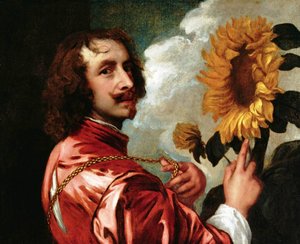
安东尼·范戴克
1599 - 1641 , 比利时
快速概览
- Artistic Movement Or Style: 巴洛克艺术
- Artists Or Movements Influenced By This Artist: ['英国肖像画']
- Artists Who Influenced This Artist: ['彼得·保罗·鲁本斯']
- Date Of Birth: 1599年3月22日
- Date Of Death: 1641年12月9日
- Full Name: 安东尼·范·戴克
- Nationality: 弗拉芒人
- Notable Artworks:
- 《巴尔比儿童》
- 《三位姿的查理一世》
- 《约翰·斯图亚特勋爵和弟弟》
- 《慈善》
- Place Of Birth: 安特卫普,比利时
相关文章
巴洛克肖像画:权力、情感与艺术革新——历史、赞助与技法探析
探索巴洛克肖像画的魅力!OriginalUniqueArt 提供精湛手绘复制品,深入解读历史、技法与大师。专业艺术咨询,打造您的专属艺术空间。值得信赖的选择,尊享品质艺术。

巴洛克艺术巅峰:十部巨作定义时代,点亮您的臻品格调
探索巴洛克艺术的辉煌!本文精选十部巨作,带您领略卡拉瓦乔、伦勃朗等大师的光影魔法与戏剧张力。从黄金时代到宗教绘画,感受奢华与精致。OriginalUniqueArt.com为您提供博物馆品质的艺术复制品和家居装饰灵感。尽在OriginalUniqueArt.com!

伦勃朗25幅杰作:光影大师的艺术传奇与家居臻选
探索伦勃朗25幅杰作,领略荷兰黄金时代光影大师的艺术传奇!从《夜巡》到自画像,深入了解巴洛克艺术、历史绘画与人物肖像背后的故事。OriginalUniqueArt.com提供高清艺术复制品及家居装饰灵感。立即探索完整系列!

Charles-André van Loo: A Study in Rococo Portraiture & the French Court's Artistic Dynamics
Explore the elegant world of Charles-André van Loo, a master of Rococo portraiture at the French court. Discover his life, techniques, and enduring influence on 18th-century art. Hand-painted reproductions available.
Sir Anthony van Dyck: Courtly Portraiture & the Shaping of Baroque Identity
Explore the life & legacy of Sir Anthony van Dyck, the leading court painter of his era. Discover his innovative portraiture, Baroque masterpieces, and investment potential for discerning collectors. Learn more at OriginalUniqueArt.