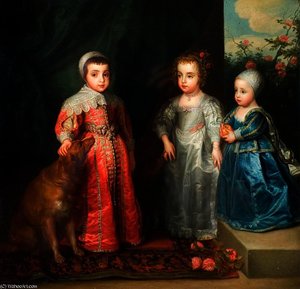
效果预览
效果预览
 分享
分享 分享
分享
 详情
详情

 下载
下载
 相似作品
相似作品 X射线
X射线 幻灯片播放
幻灯片播放 统计数据
统计数据Lady Dacre


 展开详情
展开详情
艺术微喷/版画
博物馆级艺术微喷或帆布版画,制作高效,并提供多种饰面选择。 ( 购买手绘画作 切换至数字图像销售渠道)




P118B $10

P118H $10

P118W $10

P438Z $10

P508JH $12

P508YH $12

P805H $10

P805Z $10

P919BZ $10

P919G $10

P919XJ $10

P959ZH $10

P968JZ $12

W106C $8

W218G $10

W218JH $8

W218Y $10

W307PJ $10

W316G $10

W316PJ $8

W316Y $10

W398PJ $8

W4111J $10

W500HY $15

W500JH $15

W692G $12

W849H $8

W940BG $15

W953PJ $8




从与原作比例一致的预设尺寸中进行选择。

您可以输入自定义尺寸,以适配特定的画框或空间。如果您选择的尺寸与原图比例不符,我们将对作品进行裁剪,或通过镜像填充/纯色填充边缘的方式来扩展图像。在开始制作之前,我们会向您发送一份数字效果图供您确认。
请注意,屏幕上的预览并不能反映实际的裁剪或扩展效果。只有效果图才能准确展示最终的构图。
虽然我们提供定制尺寸,但为了保持原图比例,我们建议您从预设列表中选择尺寸。


 玻璃选项仅适用于110厘米以下的尺寸。

Lady Dacre
艺术微喷/版画
复制品尺寸
-


最终总价
$ 80
A Portrait of Grace and Shadow: Unveiling Lady Dacre
Sir Anthony van Dyck’s “Lady Dacre” is not merely a portrait; it's a carefully constructed tableau of Renaissance elegance, imbued with subtle symbolism and the quiet dignity of a woman navigating a world shaped by both beauty and loss. Painted in 1633, this exquisite work captures Dorothy, Lady Dacre – a figure shrouded in historical intrigue and possessing a captivating presence that transcends the confines of her painted likeness. The painting immediately draws the eye to its subject’s somber attire: a rich black gown, meticulously draped, and a matching cap shaped like a widow's peak—a poignant visual echo of her recent bereavement. Yet, it is not simply mourning that dominates; there’s an underlying strength, a poised grace that speaks volumes about her character.
Van Dyck’s mastery lies in his ability to render texture and light with breathtaking precision. The velvet of the gown seems to shimmer beneath the subtle highlights, while the folds cascade with a realistic fluidity. Notice how he captures the delicate sheen of the pearl necklace, a symbol of wealth and status, yet also hinting at vulnerability. The muted palette—primarily deep blues, browns, and blacks—creates an atmosphere of contemplative stillness, drawing the viewer into the scene’s intimate space. The artist's use of chiaroscuro – the dramatic contrast between light and shadow – is particularly effective, sculpting the subject’s face and emphasizing her features with a masterful hand.
A Lady of Turbulent Times
To fully appreciate “Lady Dacre,” it’s essential to understand the historical context in which she lived. Dorothy Fiennes was the daughter of George Neville, 5th Baron Bergavenny, and a woman deeply entwined with the tumultuous events surrounding King Charles I's reign. Her marriage to Thomas Fiennes, 9th Baron Dacre, a man who tragically met his end through a politically motivated murder in 1541, cast her into a life of widowhood and constant struggle for her family’s inheritance. The painting was created during this period of uncertainty and legal battles, reflecting the emotional weight she carried.
The inclusion of two birds within the composition adds layers of symbolic meaning. One bird is positioned on the left side of the canvas, while another appears towards the top right corner. These avian figures are often interpreted as symbols of hope and resurrection—a subtle nod to Dorothy’s enduring spirit amidst adversity. The rose held delicately in her hand further reinforces this theme, representing both the fading beauty of a widow's life and the promise of future love and renewal.
Van Dyck’s Legacy: A Master of Courtly Portraiture
Sir Anthony van Dyck stands as one of the most influential portrait painters in European history. His work, particularly his portraits of the English aristocracy during Charles I's reign, revolutionized the genre by introducing a new level of intimacy and psychological depth. He moved away from the stiff formality of earlier court portraits, capturing subjects with a sense of relaxed elegance and genuine emotion. “Lady Dacre” exemplifies this shift—it’s not simply a likeness; it’s a carefully crafted portrayal of a woman's inner life.
Van Dyck’s influence on subsequent generations of artists is undeniable, and his techniques – particularly his mastery of light, color, and composition – continue to inspire painters today. Reproductions of “Lady Dacre” offer a remarkable opportunity to experience the beauty and sophistication of this iconic work firsthand, allowing us to connect with a woman whose story continues to resonate across centuries.
艺术家简介
安东尼·凡·戴克:巴洛克宫廷的优雅画师
安东尼·凡·戴克,1599 年出生于安特卫普,是 17世纪最重要的佛兰德尔巴洛克画家之一。他以其对欧洲贵族肖像的精湛描绘而闻名,同时也是英国查理一世宫廷的主要画像师。他的艺术生涯并非一帆风顺,却在短短四十余年的时间里,留下了无数令人惊叹的作品,深刻影响了英语绘画的发展轨迹。凡·戴克不仅仅是一位技艺高超的画家,更是一位敏锐的社会观察者和一位杰出的宫廷外交家,他用画笔记录了那个时代的风貌,也塑造了王室形象。早年求学与鲁本斯的影响
凡·戴克的艺术生涯始于安特卫普,一个当时欧洲绘画中心。他的父亲是一位成功的丝绸商人,为他提供了良好的教育环境。年轻的安东尼很快展现出非凡的绘画天赋,先是进入了亨德里克·范巴伦的工作室学习,随后又师从伟大的彼得·保罗·鲁本斯。在鲁本斯的指导下,凡·戴克掌握了巴洛克绘画的核心技巧:大胆的构图、丰富的色彩和强烈的戏剧性光影效果。然而,凡·戴克并非仅仅是鲁本斯的模仿者。他逐渐形成了自己独特的艺术风格,更加注重人物的优雅姿态和细腻的情感表达。与鲁本斯充满力量感的作品不同,凡·戴克的画作更显柔和、精致,充满了贵族式的从容不迫。意大利之旅:风格的成熟
1621 年至 1627 年间,凡·戴克前往意大利,并在热那亚等地生活多年。这段旅程对他的艺术生涯产生了深远的影响。在意大利,他接触到了文艺复兴时期的绘画传统,特别是提香的作品,这使得他对色彩运用和人物刻画的理解更加深刻。他在热那亚创作了大量肖像作品,这些作品展现了他成熟的艺术风格:人物姿态优雅、服饰华丽、背景简洁而富有表现力。他开始尝试将人物置于特定的场景中,通过细节来暗示人物的身份和社会地位。这一时期,凡·戴克还开始了著名的《肖像图集》项目,通过蚀刻版画的方式记录了当时众多艺术家和学者的人物形象,这不仅展示了他的精湛技艺,也为后人研究 17世纪欧洲文化提供了宝贵的资料。英国宫廷:艺术与政治的交织
1632 年,查理一世邀请凡·戴克前往英国担任宫廷画像师。这次任命标志着凡·戴克的艺术生涯达到了顶峰。在英国,他为王室成员、贵族和政要绘制了大量肖像作品,这些作品不仅是个人形象的记录,更是政治宣传的工具。凡·戴克巧妙地运用绘画技巧来塑造查理一世的形象:他将国王描绘成一位威严而自信的统治者,通过光影效果和服饰细节来强调王室的权威。他的肖像作品对英国社会产生了深远的影响,不仅为贵族们树立了新的审美标准,也巩固了查理一世的统治地位。凡·戴克在英国期间还培养了一批优秀的画家,对英语绘画的发展起到了重要的推动作用。艺术遗产与永恒影响
安东尼·凡·戴克的艺术生涯虽然短暂,但他留下的作品却具有极高的艺术价值和历史意义。他的肖像画以其优雅的姿态、细腻的情感表达和精湛的技艺而著称,对后世画家产生了深远的影响。他不仅是一位杰出的肖像画家,也是一位重要的蚀刻家和水彩画家。凡·戴克对色彩的运用、人物的刻画以及构图的安排都达到了极高的水平,他的作品至今仍被视为巴洛克绘画的典范。“凡·戴克胡须”这一时尚潮流也证明了他艺术风格的持久魅力。他不仅记录了那个时代的风貌,也塑造了王室形象,为后人留下了宝贵的文化遗产。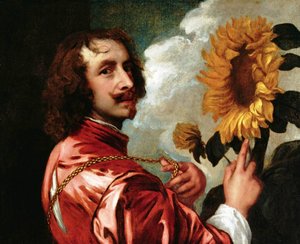
安东尼·范戴克
1599 - 1641 , 比利时
艺术家简介
- Artistic Movement Or Style: 巴洛克艺术
- Artists Or Movements Influenced By This Artist: ['英国肖像画']
- Artists Who Influenced This Artist: ['彼得·保罗·鲁本斯']
- Date Of Birth: 1599年3月22日
- Date Of Death: 1641年12月9日
- Full Name: 安东尼·范·戴克
- Nationality: 弗拉芒人
- Notable Artworks:
- 《巴尔比儿童》
- 《三位姿的查理一世》
- 《约翰·斯图亚特勋爵和弟弟》
- 《慈善》
- Place Of Birth: 安特卫普,比利时
相关文章
Decoding Baroque Grandeur: A Guide to the Drama and Emotion of 17th-Century Art
Explore the breathtaking drama of 17th-century Baroque art. Our expert guide decodes the use of chiaroscuro, emotional intensity, and historical grandeur to help you appreciate and curate timeless masterpieces for your collection.
巴洛克肖像画:权力、情感与艺术革新——历史、赞助与技法探析
探索巴洛克肖像画的魅力!OriginalUniqueArt 提供精湛手绘复制品,深入解读历史、技法与大师。专业艺术咨询,打造您的专属艺术空间。值得信赖的选择,尊享品质艺术。
Sir Anthony van Dyck: Courtly Portraiture & the Shaping of Baroque Identity
Explore the life & legacy of Sir Anthony van Dyck, the leading court painter of his era. Discover his innovative portraiture, Baroque masterpieces, and investment potential for discerning collectors. Learn more at OriginalUniqueArt.
Masterpieces of the 17th Century: Art, History & Decor Inspiration | OriginalUniqueArt
Journey through 17th century art with masterpieces by Rembrandt, Vermeer & Caravaggio. Explore Baroque paintings, Dutch Golden Age techniques & timeless beauty. Find museum-quality reproductions and elevate your home decor on OriginalUniqueArt.com.

伦勃朗25幅杰作:光影大师的艺术传奇与家居臻选
探索伦勃朗25幅杰作,领略荷兰黄金时代光影大师的艺术传奇!从《夜巡》到自画像,深入了解巴洛克艺术、历史绘画与人物肖像背后的故事。OriginalUniqueArt.com提供高清艺术复制品及家居装饰灵感。立即探索完整系列!