

 发送
发送 分享
分享
 详情
详情 指南
指南

 下载图片
下载图片
 相似作品
相似作品 幻灯片播放
幻灯片播放 统计数据
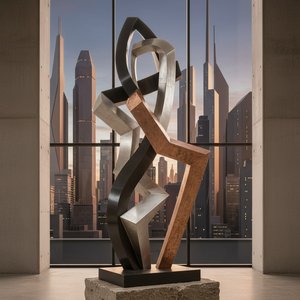
统计数据Pink Stack
 Metal
Metal- Sculpture
- Abstract Expressionism
 1969
1969 1200.0 x 1475.0 cm
 British Council
 阅读全文
阅读全文
艺术微喷/版画
博物馆级艺术微喷或帆布版画,制作高效,并提供多种饰面选择。 ( 订购此收藏品的纯手工复刻画作 切换至数字图像销售渠道)




































您可以从与原作比例一致的预设尺寸中进行选择。

请输入您所需的宽度和高度,以适配您的画框或墙面。由于印刷品只能进行裁剪,无法超出原图尺寸,因此若比例不一致,画面的一部分将会被裁切。在正式印刷之前,我们会为您发送一份数字效果图供您确认。本页面显示的图片并非最终裁剪后的效果——只有效果图才能展示真实的裁剪情况。


 玻璃选项仅适用于110厘米以下的尺寸。

Pink Stack
艺术微喷/版画
复刻品尺寸说明
-


总计金额
¥ 538
问答详情
Sir Anthony Alfred Caro 的《Pink Stack》 是什么类型的艺术品?
在目录中,Sir Anthony Alfred Caro 的《Pink Stack》 被归类为 Sculpture。该类别有助于查找相似作品。
"Pink Stack" 属于 Sir Anthony Alfred Caro 艺术生涯中的哪个时期?
在Sir Anthony Alfred Caro的艺术生涯中,"Pink Stack"创作于Post-Figurative Abstraction时期。这一阶段有助于将其与艺术家的其他作品进行比较。
Sir Anthony Alfred Caro 的《Pink Stack》 使用了什么技法?
Sir Anthony Alfred Caro 在作品《Pink Stack》中运用了 Metal 技法。该技法界定了原作的材质特性。
艺术家简介
Sir Anthony Caro: A Pioneer of Modern Sculpture
Early Life and Education
- Born: March 8, 1924, in New Malden, Surrey, England.
- Family Background: Caro was the youngest of three children to a Jewish family.
- Education: He attended Charterhouse School, where he was introduced to sculpture through his housemaster and Charles Wheeler. Further studies included Farnham School of Art, Christ's College Cambridge (Engineering degree), Regent Street Polytechnic, and the Royal Academy Schools (1947-1952).
Artistic Development and Influences
- Early Influences: Initially influenced by Henry Moore, with whom he worked as a studio assistant from 1951-1953. This early association instilled in him an appreciation for modernist sculpture.
- Turning Point: A 1959 Ford Foundation scholarship led to a transformative trip to the United States, where he encountered American Abstract Expressionism and met key figures like Clement Greenberg, Kenneth Noland, and David Smith. The work of David Smith was particularly influential.
- Shift in Style: Inspired by his experiences in America, Caro abandoned figurative sculpture and began creating abstract assemblages using welded steel and found industrial objects.
Key Characteristics and Style
- Assemblage & Materials: Caro is renowned for his innovative use of materials – often ‘found’ or industrial components like I-beams, steel plates, and mesh.
- Removing the Plinth: A defining characteristic of his work is removing sculptures from their traditional plinths, allowing viewers to engage with them directly on the floor and experience them in a more immersive way. This challenged conventional sculptural presentation.
- Abstract Forms & Spatial Exploration: His sculptures are characterized by dynamic abstract forms that explore spatial relationships and create a sense of openness and movement.
Notable Works and Exhibitions
- Twenty Four Hours (1960): An early example of his abstract steel sculptures, now in the Tate Britain collection.
- Leaf Pool (1967): Showcased at Paintings in Hospitals, demonstrating his unique style and approach to form.
- After Olympia (1982-87): A large-scale narrative work inspired by the Temple of Zeus at Olympia, showcasing his ability to create monumental pieces with complex narratives.
- Exhibitions: Caro exhibited extensively internationally, including solo shows in Milan and New York, and participated in major group exhibitions.
Awards and Legacy
- Order of the British Empire (CBE): Awarded for his services to art.
- Triangle Arts Trust: Co-founded the Triangle Arts Trust in 1982, providing a space for artists to collaborate and experiment.
- Historical Significance: Caro is considered one of the most important British sculptors of his generation. His work revolutionized sculpture by challenging traditional conventions and exploring new materials and forms. He profoundly influenced subsequent generations of sculptors and continues to inspire artists today.
Artistic Movements
- Modernism: A core influence, breaking from traditional artistic norms.
- Abstract Expressionism: Impacted his shift towards abstraction and emphasis on form and material.
- Neoclassicism: Later work showed influences of classical Greek and Roman styles, particularly in narrative pieces like 'After Olympia'.

Sir Anthony Alfred Caro
1924 - 2013 , United Kingdom
快速概览
- Name: Sir Anthony Alfred Caro
- Movement:
- Modernism
- Abstract Expressionism
- Neoclassicism
- Birth Date: 1924-03-08
- Death Date: 2013-10-23
- Birth Place: New Malden, United Kingdom
- Nationality: British
- Date Of Birth: 1924
- Date Of Death: 2013
- Influenced By:
- Henry Moore
- Charles Wheeler
- David Smith
- Notable Works:
- Leaf Pool
- After Olympia
- Twenty Four Hours
- Place Of Birth: New Malden, United Kingdom
相关文章

Sir Joshua Reynolds' Masterpieces: 25 Portraits of Power & Refinement | OriginalUniqueArt
Explore 25 captivating portraits by Sir Joshua Reynolds, a master of British art. Discover stories behind his iconic paintings, elegant style & historical influence. Find museum-quality reproductions and elevate your home decor on OriginalUniqueArt.com.

Bronze Sculptures That Defined Art History | OriginalUniqueArt
Journey through art history with our Top 10 bronze sculptures! Explore masterpieces by Rodin, Michelangelo & more. Discover stories behind iconic statues and find museum-quality reproductions for your home decor at OriginalUniqueArt.com.
Forged in Fire: The Timeless Strength and Ethereal Beauty of Metal Art
Discover the enduring allure of metal art. Explore how masterfully forged sculptures blend industrial strength with organic elegance to create timeless investment pieces for sophisticated collectors and luxury interiors.

The Enduring Form: Exploring Themes & Techniques in Sculpture Across Historical Periods
Explore the rich history of sculpture from ancient masterpieces to contemporary innovations. Discover key techniques, influential artists & investment potential for discerning art collectors.

Sir Alfred Munnings' Masterpieces: 25 Paintings That Define Equine Art | OriginalUniqueArt
Explore 25 iconic Sir Alfred Munnings paintings! Discover the beauty of British Impressionism, equine art & rural England. Find museum-quality reproductions and elevate your home decor with OriginalUniqueArt. Explore the full collection online.