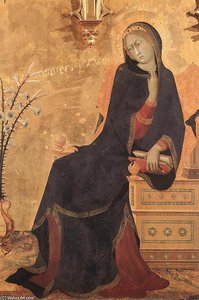
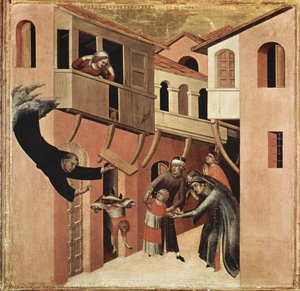
油画原件
 关于 Polyptych 的一切







































 对于任何边长超过 105 厘米(约 41 英寸)的艺术品或复制品,画框将以拆解后的组件形式发货。此方法可确保安全送达并防止运输过程中的损坏。


Simone Martini’s Polyptych: A Symphony of Faith and Refinement
Simone Martini, a luminary of the early Renaissance born in Siena around 1284, gifted the art world with an unparalleled masterpiece – the Polyptych of Santa Caterina. More than just a painting; it embodies the spirit of its time, reflecting Siena’s burgeoning cultural vibrancy and establishing Martini as a pivotal figure in bridging medieval artistic traditions with the nascent ideals of humanist thought.
Housed within the Fitzwilliam Museum in Cambridge, United Kingdom, this monumental artwork transcends mere visual representation. Measuring 59 x 35 cm, it comprises three panels adorned with exquisitely detailed figures depicting saints and prophets—a testament to Martini’s mastery of tempera painting technique. The panel's vibrant hues – dominated by reds – aren’t merely decorative; they convey depth and luminosity, drawing the viewer into a contemplative space.
Artistic Significance & Style
The Polyptych exemplifies Martini’s signature International Gothic style, characterized by its graceful lines, meticulous attention to detail, and blending of Byzantine influences with Florentine realism. Unlike Giotto’s more austere depictions, Martini infused his compositions with a palpable sense of elegance and aristocratic refinement—a stylistic hallmark that distinguishes him from contemporaries.
- Composition: The central panel showcases three men in solemn robes, their hands clasped together in prayer, symbolizing unity and devotion.
- Figures: Each saint is rendered with remarkable realism, capturing subtle expressions of emotion and conveying spiritual contemplation.
- Color Palette: Martini’s masterful use of tempera pigments—particularly red—creates a rich tapestry of color that enhances the emotional impact of the scene.
Symbolism & Technique
Beyond its aesthetic beauty, the Polyptych is laden with symbolic meaning. The book held by one figure represents knowledge and divine guidance, while the staff symbolizes authority and spiritual leadership. Martini’s meticulous technique—evident in the layering of translucent glazes—allows him to achieve unparalleled luminosity and textural complexity. This painstaking process ensured that every brushstroke conveyed a profound sense of reverence.
Historical Context & Legacy
Created circa 1320, the Polyptych stands as an emblem of Siena’s religious fervor during the medieval period. It reflects the broader artistic trends of its time—the revival of classical ideals alongside Byzantine influences—and demonstrates Martini's profound impact on subsequent generations of painters. Its influence can be seen in works by artists like Andrea Pisano and Niccolò di Ser Sozzo, cementing Martini’s place as one of the foremost masters of his era.
For those seeking to experience the grandeur of Simone Martini’s vision, reproductions from OriginalUniqueArt offer exceptional quality and authenticity. Explore related artworks at the Fitzwilliam Museum and Isabella Stewart Gardner Museum for a deeper appreciation of this enduring masterpiece.
常见问题与解答
Polyptych是手绘的还是印刷的?
手工绘制:由受过专业训练的画家在亚麻画布上,以油画形式临摹 Polyptych。
Polyptych 我该选择什么尺寸?
原作尺寸为 59 x 35 cm。 尺寸范围从 31.1 x 32.2 cm (¥1337) 到 235.7 x 243.6 cm (¥13843);本页表格列出了主要步骤及其价格。
物流需要多长时间?
送货时间为 4 至 5 周,并提供全球免费快递服务;本页面还提供加急制作选项。您可以在 100 天内无条件退货并获得全额退款。
《Polyptych》的原作在哪里?
原作收藏于Cambridge的Fitzwilliam 学院。
西蒙尼·马蒂尼 在创作《Polyptych》时使用了什么媒介?
Acrylic On Canvas
 实景预览

 分享
 分享
 详情
 详情页


 下载作品
 相似作品
 X射线
 幻灯片播放
 问答

 统计数据