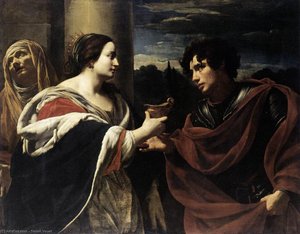
 实景预览
实景预览
 发送
发送 分享
分享
 详情
详情 指南
指南

 下载图片
下载图片
 相似作品
相似作品 X射线
X射线 幻灯片播放
幻灯片播放 统计数据
统计数据GAUCHER DE CHATILLON


 阅读全文
阅读全文
艺术微喷/版画
博物馆级艺术微喷或帆布版画,制作高效,并提供多种饰面选择。 ( 订购此收藏品的纯手工复刻画作 切换至数字图像销售渠道)




P118B ¥10

P118H ¥10

P118W ¥10

P438Z ¥10

P508JH ¥12

P508YH ¥12

P805H ¥10

P805Z ¥10

P919BZ ¥10

P919G ¥10

P919XJ ¥10

P959ZH ¥10

P968JZ ¥12

W106C ¥8

W218G ¥10

W218JH ¥8

W218Y ¥10

W307PJ ¥10

W316G ¥10

W316PJ ¥8

W316Y ¥10

W398PJ ¥8

W4111J ¥10

W500HY ¥15

W500JH ¥15

W692G ¥12

W849H ¥8

W940BG ¥15

W953PJ ¥8




您可以从与原作比例一致的预设尺寸中进行选择。

请输入您所需的宽度和高度,以适配您的画框或墙面。由于印刷品只能进行裁剪,无法超出原图尺寸,因此若比例不一致,画面的一部分将会被裁切。在正式印刷之前,我们会为您发送一份数字效果图供您确认。本页面显示的图片并非最终裁剪后的效果——只有效果图才能展示真实的裁剪情况。


 玻璃选项仅适用于110厘米以下的尺寸。

GAUCHER DE CHATILLON
艺术微喷/版画
复刻品尺寸说明
-


总计金额
¥ 537
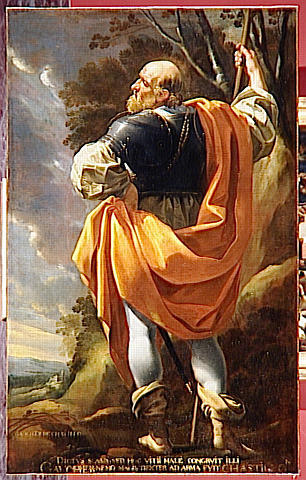
A Glimpse into Nobility: Simon Vouet's "Gaucher de Châtillon"
Step into the world of 17th-century French Baroque artistry with this striking portrait of Gaucher de Châtillon, a significant figure rendered by the masterful hand of Simon Vouet. This captivating oil painting offers more than just a likeness; it's a window into an era defined by grandeur, religious contemplation, and burgeoning artistic innovation.
Subject & Historical Context
- The Subject: Gaucher de Châtillon (c. 1503 – 1569) was a prominent French military leader and diplomat, serving as Constable of France under King Francis I. His position placed him at the heart of significant political and military events during the Renaissance.
- Historical Significance: The painting reflects a period of transition in France, marked by religious tensions (the Reformation), evolving courtly life, and increasing influence from Italian artistic trends. Vouet's return to France after years spent immersed in the Italian Baroque scene played a crucial role in introducing these styles to the French court.
- Commission & Patronage: While the exact circumstances of this commission remain somewhat unclear, it’s likely that the portrait was intended for display within a noble household or perhaps even commissioned by Châtillon himself during his lifetime.
Baroque Style and Artistic Technique
- Baroque Characteristics: The painting exemplifies key characteristics of Baroque art – dramatic lighting (chiaroscuro), dynamic composition, and an emphasis on realism. Notice how the light source illuminates Gaucher's upper body, creating a powerful contrast with the shadows that define his form.
- Vouet’s Technique: Simon Vouet was renowned for his skillful use of oil paint. The visible brushstrokes contribute to the texture and depth of the work. Glazing techniques are evident in the subtle color variations within the skin tones and clothing, adding a richness and luminosity to the portrait.
- Compositional Elements: The vertical orientation emphasizes Gaucher’s stature and upward gaze, suggesting contemplation or reverence. The diagonal line created by his arm and staff draws the viewer's eye upwards towards the sky, further reinforcing this sense of spiritual seeking. The landscape in the background provides depth and context while not distracting from the central figure.
Symbolism & Emotional Impact
- Posture & Expression: Gaucher’s serious expression and dignified posture convey a sense of determination and authority. His upward gaze suggests introspection, perhaps reflecting on his military career or contemplating divine matters.
- Attire & Status: The classical attire – the armor and flowing garments – signifies Gaucher's nobility and high-ranking position within French society. The details in the clothing demonstrate Vouet’s attention to realism and his ability to capture the textures of different fabrics.
- Landscape as Symbolism: The cloudy sky and distant landscape could symbolize the vastness of time, the uncertainties of life, or even a sense of divine presence overseeing human affairs.
A Timeless Masterpiece
“Gaucher de Châtillon” by Simon Vouet is more than just a portrait; it's a testament to the artistic brilliance of the Baroque era and a fascinating glimpse into the life of a significant historical figure. Its dramatic lighting, meticulous detail, and evocative symbolism combine to create a work that continues to captivate viewers centuries later.
问答详情
西蒙·武埃 的《GAUCHER DE CHATILLON》 的画面方向是怎样的?
西蒙·武埃 的《GAUCHER DE CHATILLON》 采用 Portrait 格式。该格式描述了构图的比例。
"GAUCHER DE CHATILLON" 的色调饱和度如何?
西蒙·武埃 的《GAUCHER DE CHATILLON》 的色彩饱和度记录为 Balanced Soft。
西蒙·武埃 的《GAUCHER DE CHATILLON》 传达了怎样的情感?
《西蒙·武埃 的《GAUCHER DE CHATILLON》》所传达的意境为Elegant,其情感基调为Dramatic。
艺术家简介
西蒙·武埃:法国巴洛克绘画的先驱
- 生于: 1590年1月9日,法国巴黎
- 逝世: 1649年6月30日,法国巴黎
西蒙·武埃是法国绘画从风格主义向巴洛克风格过渡时期的一位关键人物。他出生于一个艺术家庭——他的父亲洛朗是一位画家,他的兄弟奥班也投身于艺术领域——武埃接受了早期训练,这为他未来的成功奠定了基础。他的孙子路多维科·多里尼将延续这个家族的艺术血脉。
早年生涯与意大利影响(1608-1627)
- 早期肖像画: 武埃以肖像画家身份开启了职业生涯,展现出早期的天赋。
- 前往英国(1608): 在年仅14岁时,他前往英国为一幅委托的肖像画作画,展示了他日益增长的名声。
- 奥斯曼帝国与威尼斯: 1611年,武埃随法国驻奥斯曼帝国的大使德桑西男爵一行人出游,再次从事肖像画工作。这次旅程带他穿越了君士坦丁堡,随后抵达了威尼斯。
- 罗马(1614-1627): 他在罗马的时光具有变革性的意义。他留居了十三年,沉浸在蓬勃发展的巴洛克艺术场景之中。
在意大利的流放期间,武埃吸收了各种各样的影响。他学习了卡拉瓦乔开创的戏剧性光影技巧,采纳了意大利风格主义的元素,并细致分析了帕奥洛·维罗内塞所采用的调色板和di sotto in su(仰视透视法)。他还从卡拉奇、圭尔奇诺、兰弗兰科和圭多·雷尼的作品中汲取灵感,将这些不同的风格综合成了一种独特的艺术视野。
武埃独特风格的形成
- 当选圣卢卡学院(1624): 他在罗马取得的成功最终促成了他当选享有盛誉的圣卢卡学院院长一职,这证明了他在意大利艺术界的能力和认可度。
- 影响的综合: 武埃的风格特点在于其吸收和提炼各种艺术影响的能力。他并非简单地模仿;而是将这些元素融入了一种连贯而极具意大利风情的巴洛克美学之中。
- 将巴洛克引入法国: 1627年返回法国后,武埃在将意大利巴洛克风格引入法国绘画的过程中发挥了至关重要的作用,极大地影响了该国的艺术格局。
主要成就与遗产
- 国王首席画家: 武埃被任命为Premier peintre du Roi(国王首席画家)——这是一个享有巨大声望和影响力的职位。
- 硕果累累的工作室: 他维持了一个庞大而活跃的工作室,培养了众多艺术家,这些艺术家塑造了后一代的法国画家。
- 杰出弟子: 在他最有影响力的弟子中包括夏尔·勒布朗(后来组织了凡尔赛宫所有的装饰绘画)、瓦伦丁·德·布洛涅、夏尔·阿尔封斯·杜弗雷诺、皮埃尔·米尼亚尔、尤斯塔什·勒苏尔和克劳德·梅朗。
- 对法国艺术的影响: 武埃的影响力超出了他自己的作品;他的学生将他的风格和技巧传播到整个法国,建立了一个独特的巴洛克画派。他在路易十四委托的宏伟装饰方案中影响尤为明显。
历史意义
西蒙·武埃的遗产在于他作为意大利艺术与法国艺术之间一座关键桥梁的作用。他成功地引入了意大利巴洛克的活力和宏大,并将其转化为一种与法国宫廷和贵族品味产生共鸣的风格。他在17世纪法国绘画的发展中留下的影响是不可否认的,他的贡献至今仍受到艺术史学家的认可。

西蒙·武埃
1590 - 1649 , 法国
快速概览
- Artistic Movement Or Style: 巴洛克绘画
- Artists Or Movements Influenced By This Artist:
- 夏尔·勒布朗
- 瓦朗丁·德·布罗涅
- 法国巴洛克绘画
- Artists Who Influenced This Artist:
- 卡拉瓦乔
- 帕奥洛·维罗内塞
- 卡拉奇
- 圭尔奇诺
- 兰弗兰科
- 圭多·雷尼
- Date Of Birth: 1590年1月9日
- Date Of Death: 1649年6月30日
- Full Name: 西蒙·武埃
- Nationality: 法国
- Place Of Birth: 法国巴黎
相关文章
巴洛克古典主义:十七世纪艺术中的戏剧性与秩序融合
深入探索17世纪巴洛克古典主义艺术的戏剧性与秩序之美。卡拉瓦乔、鲁本斯等大师作品解析,揭秘宗教改革下的艺术策略,并了解凡尔赛宫的辉煌历史。OriginalUniqueArt.com为您提供专业的艺术鉴赏与定制服务。

Baroque Classicism: The Grandeur of Order and Drama in 17th-Century Art History
Explore the profound elegance of Baroque Classicism. Discover how 17th-century masters synthesized dramatic emotion with classical order through the lens of the Counter-Reformation and the works of legends like Carlo Maratta and Andrea Sacchi.
Charles Le Brun: Master of French Baroque Classicism & His Enduring Legacy
Explore the life & art of Charles Le Brun, master of French Baroque Classicism. Discover his royal commissions, influence on Versailles, and enduring legacy through detailed analysis & stunning artworks.
Baroque Classicism: A Professional Guide to Integrating Timeless Grandeur into Luxury Hotel Interiors
Elevate luxury hospitality with Baroque Classicism. Our guide for hotel designers explores integrating grand, classical oil reproductions into professional interiors. Discover efficient bulk procurement, custom sizing, and large-format murals to create timeless, high-impact spaces.
Simon Vouet: A Baroque Master's Journey from Italian Influence to French Classicism
Explore the life & art of Simon Vouet, a pivotal French Baroque painter who introduced Italian styles to France. Discover his masterpieces and lasting influence on 17th-century art.