

 实景预览
实景预览
 发送
发送 分享
分享
 详情
详情 指南
指南

 下载图片
下载图片
 相似作品
相似作品 X射线
X射线 幻灯片播放
幻灯片播放 统计数据
统计数据Self Portrait
 Oil On Canvas
- WallArt
- Baroque
 1704
1704 99.0 x 69.0 cm
 乌菲兹美术馆
 阅读全文
阅读全文
艺术微喷/版画
博物馆级艺术微喷或帆布版画,制作高效,并提供多种饰面选择。 ( 订购此收藏品的纯手工复刻画作 切换至数字图像销售渠道)




P118B ¥10

P118H ¥10

P118W ¥10

P438Z ¥10

P508JH ¥12

P508YH ¥12

P805H ¥10

P805Z ¥10

P919BZ ¥10

P919G ¥10

P919XJ ¥10

P959ZH ¥10

P968JZ ¥12

W106C ¥8

W218G ¥10

W218JH ¥8

W218Y ¥10

W307PJ ¥10

W316G ¥10

W316PJ ¥8

W316Y ¥10

W398PJ ¥8

W4111J ¥10

W500HY ¥15

W500JH ¥15

W692G ¥12

W849H ¥8

W940BG ¥15

W953PJ ¥8




您可以从与原作比例一致的预设尺寸中进行选择。

请输入您所需的宽度和高度,以适配您的画框或墙面。由于印刷品只能进行裁剪,无法超出原图尺寸,因此若比例不一致,画面的一部分将会被裁切。在正式印刷之前,我们会为您发送一份数字效果图供您确认。本页面显示的图片并非最终裁剪后的效果——只有效果图才能展示真实的裁剪情况。


 玻璃选项仅适用于110厘米以下的尺寸。

Self Portrait
艺术微喷/版画
复刻品尺寸说明
-


总计金额
¥ 538
The Enigmatic Gaze of a Venetian Gentleman
Sebastiano Ricci’s “Self-Portrait,” painted in 1704, is more than just a likeness; it's a carefully constructed tableau of status, introspection, and the burgeoning confidence of a rising star within the vibrant world of late Baroque Venice. The painting immediately commands attention with its dramatic lighting – a chiaroscuro technique borrowed from Caravaggio – that sculpts the subject’s face and clothing, creating an interplay of light and shadow that lends both depth and a sense of theatricality to the scene. The dark, textured wall behind him isn't merely a backdrop; it serves to heighten the impact of his figure, emphasizing his presence and drawing the viewer into his gaze.
Ricci’s style is distinctly Venetian, yet he transcends mere imitation, forging a unique voice within the established tradition. He leans heavily on the influence of earlier masters like Correggio and Giorgione, particularly in his use of color and atmospheric perspective. However, unlike many of his contemporaries, Ricci avoids the overly decorative tendencies that sometimes characterized Venetian painting at the time. Instead, he favors a more restrained elegance, prioritizing clarity of form and a subtle emotional resonance. The subject’s attire—a richly embroidered coat, a velvet waistcoat, and a meticulously styled wig— speaks volumes about his social standing and reflects the opulence of the era. The small dog beside him is not merely an accessory; it's a potent symbol of loyalty and companionship, adding a touch of warmth to the otherwise formal portrait.
A Window into the Artist’s World
Understanding Ricci requires placing his work within the context of 18th-century Venice. The city was experiencing a period of remarkable artistic ferment, fueled by international trade and a renewed interest in classical antiquity. Venetian painters were increasingly exposed to new ideas and influences from across Europe, leading to a fascinating synthesis of styles. Ricci himself was a cosmopolitan figure, traveling extensively throughout Italy and beyond, absorbing the techniques and aesthetics of various schools. His early life, marked by scandal and imprisonment, undoubtedly shaped his artistic sensibility, imbuing his work with a certain intensity and psychological depth.
The painting’s date – 1704 – is significant. It represents a pivotal moment in Ricci's career, as he was establishing himself as one of the leading portrait painters of Venice. This self-portrait offers a rare glimpse into the artist’s own perception of himself and his place within the artistic landscape. The confident expression on his face suggests a growing sense of self-assurance, while the subtle details—the carefully arranged dog, the meticulously rendered clothing—reveal a meticulous attention to detail and a desire to project an image of refinement and sophistication.
Technique and Materials: A Master’s Touch
Ricci's masterful use of oil paint is immediately apparent. The brushstrokes are visible yet controlled, creating a rich, layered surface that captures the nuances of light and shadow with remarkable precision. He employs impasto—thickly applied paint—to accentuate certain areas, such as the folds of his clothing and the contours of his face, adding texture and volume to the composition. The color palette is dominated by warm tones – browns, golds, and reds – which are contrasted with darker shades for the background and details, creating a sense of depth and drama. The painting’s overall effect is one of luminous intensity, achieved through careful attention to both technique and materials.
The canvas itself, likely stretched linen, provides an ideal surface for Ricci's expressive brushwork. He demonstrates a deep understanding of the medium, skillfully manipulating color, texture, and light to create a compelling portrait that transcends mere representation. The painting’s enduring appeal lies not only in its technical virtuosity but also in its ability to evoke a sense of intimacy and connection with the viewer.
问答详情
塞巴斯蒂亚诺·里奇 的《Self Portrait》 的技法与风格具有哪些特征?
“Self Portrait”采用 Oil On Canvas 创作,呈现出 Baroque 风格。
塞巴斯蒂亚诺·里奇 的《Self Portrait》 描绘了什么内容?
"Self Portrait" 的描绘主题为 portrait, baroque, italian art, male figure, rich colors, dramatic lighting, dog portrait, formal art。
我能否更详细地查看“Self Portrait”?
塞巴斯蒂亚诺·里奇 的《Self Portrait》 的 X 光视图可在作品的 X射线检测 页面查看:通过十一层光学图层对图像进行交互式深度解析。
艺术家简介
光辉与阴影中的巴洛克大师:塞巴斯蒂亚诺·里奇
塞巴斯蒂亚诺·里奇(Sebastiano Ricci,1659-1734)是威尼斯晚期巴洛克绘画的杰出代表,他的作品以其辉煌的光彩、宏伟的手法和充满活力的构图而闻名。这位来自贝卢诺的画家,一生经历坎坷,却始终坚持对艺术的热爱与追求,最终在威尼斯画派的历史长河中留下了浓墨重彩的一笔。里奇并非出身于显赫家族,他的艺术之路始于早年的学徒生涯,这段经历为他日后的创作奠定了坚实的基础。
早期学习与风格初探
1671年,年仅十二岁的塞巴斯蒂亚诺·里奇便跟随威尼斯画家费德里科·切尔维利(Federico Cervelli)开始了他的学徒生涯。然而,也有资料显示他的第一位老师是塞巴斯蒂亚诺·马佐尼(Sebastiano Mazzoni)。无论如何,早期的训练为他提供了绘画的基本功和对色彩的敏锐感知。这段时期的里奇,逐渐形成了自己独特的艺术风格——一种融合了古典主义的严谨与巴洛克主义的热情奔放的风格。他的作品开始展现出对光影的巧妙运用以及对人物动态的细腻捕捉。在博洛尼亚期间,他深受乔万尼·吉奥塞福·达尔索莱(Giovanni Gioseffo dal Sole)的影响,更加注重绘画的叙事性和戏剧性。
辉煌的创作生涯与代表作品
里奇的艺术生涯达到了巅峰。他接受了大量的委托,为意大利各地的教堂和宫殿创作壁画和油画。《巴克斯与阿里阿德涅》(Bacchus and Ariadne)是他的代表作之一,充分展现了他对巴洛克风格的精湛掌握。画面中,神话人物栩栩如生,色彩绚丽夺目,构图饱满而富有张力。他还创作了《肖维尔海军上将纪念画》(Memorial to Admiral Sir Clowdisley Shovell),以其深刻的情感和对细节的精确描绘而备受赞誉。1685年至1687年间,他与费迪南多·加利-比比埃纳(Ferdinando Galli-Bibiena)合作装饰了圣母玛利亚小教堂,并获得了4482里拉的报酬,这充分体现了他当时在艺术界的地位和声望。他的作品不仅仅是视觉上的享受,更蕴含着深刻的历史文化内涵。
晚年生活与历史意义
里奇的晚年并非一帆风顺,他曾因一些丑闻入狱,但这些挫折并没有击垮他的艺术热情。相反,他更加努力地创作,不断探索新的绘画技巧和表现手法。《维纳斯告别阿多尼斯》(Venus takes leave from Adonis)是他晚期的一件杰作,充分展现了他对天堂般景象的细腻描绘能力。最终,里奇接受了外国赞助人的委托,前往伦敦为伯灵顿勋爵(Lord Burlington)创作作品。塞巴斯蒂亚诺·里奇的艺术生涯虽然充满波折,但他始终坚持自己的艺术理念,为威尼斯巴洛克绘画的发展做出了重要贡献。他的作品不仅影响了一代又一代画家,也成为了意大利艺术史上的珍贵遗产。
- 主要艺术运动或风格:晚期巴洛克
- 受此艺术家影响的艺术家:马可·里奇(Marco Ricci)
- 影响此艺术家的艺术家:乔万尼·吉奥塞福·达尔索莱(Giovanni Gioseffo dal Sole)
- 出生日期:1659年8月1日
- 逝世日期:1734年5月15日
- 全名:塞巴斯蒂亚诺·里奇(Sebastiano Ricci)
- 国籍:意大利
- 代表作品:《巴克斯与阿里阿德涅》、《维纳斯告别阿多尼斯》、《埃斯库拉普斯的梦》
- 出生地:意大利贝卢诺
重要提示:本文基于OriginalUniqueArt.com上的可用信息,可能会随着更多数据的出现而发生变化。

塞巴斯蒂亚诺·里奇
1659 - 1734 , 意大利
快速概览
- 代表作品:
- 巴克斯与阿里阿德涅
- 维纳斯告别阿多尼斯
- 出生地: 意大利贝卢诺市
- 出生日期: 1659年8月1日
- 受此画家影响的艺术家: ['马可·里奇']
- 国籍: 意大利
- 姓名: 塞巴斯蒂亚诺·里奇
- 影响此画家的艺术家: ['乔瓦尼·吉奥塞福·达尔索莱']
- 艺术运动或风格: 晚期巴洛克
- 逝世日期: 1734年5月15日
相关文章

巴洛克戏剧性:将辉煌与情感融入当代室内设计
探索巴洛克艺术的辉煌与奢华!OriginalUniqueArt提供精湛的手工油画复制、定制服务和专业艺术咨询,助您将经典作品融入当代室内设计,提升家居品味。投资艺术,传承价值。

光影之都:威尼斯文艺复兴艺术运动的创新之路 (1430–1580)
深入探索1430–1580年威尼斯文艺复兴艺术运动的创新之路。了解乔尔乔内、提香等大师的绘画技法与作品魅力,为您的艺术收藏提供专业指导和投资建议。
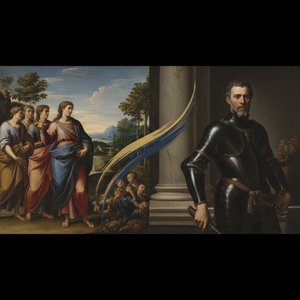
Sebastiano del Piombo: Bridging Venetian Colorism & Roman Grand Manner Portraiture
Explore the captivating art of Sebastiano del Piombo, a Renaissance master bridging Venetian colorism & Roman grandeur. Discover his iconic portraits and lasting influence on art history. Learn more at OriginalUniqueArt.

巴洛克艺术巅峰:十部巨作定义时代,点亮您的臻品格调
探索巴洛克艺术的辉煌!本文精选十部巨作,带您领略卡拉瓦乔、伦勃朗等大师的光影魔法与戏剧张力。从黄金时代到宗教绘画,感受奢华与精致。OriginalUniqueArt.com为您提供博物馆品质的艺术复制品和家居装饰灵感。尽在OriginalUniqueArt.com!
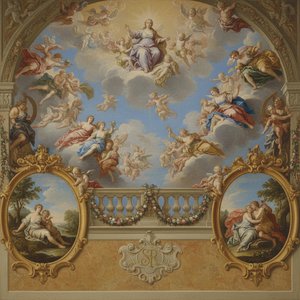
Sebastiano Ricci: Venetian Master of Baroque Illusionism & Rococo Grace
Explore the captivating world of Sebastiano Ricci, a leading Venetian Baroque painter renowned for his luminous frescoes & illusionistic masterpieces. Discover his life, techniques, and lasting influence on art history.


