

 效果预览
效果预览
 购买手绘画作
 分享
分享 分享
分享
 详情
详情

 下载
下载
 相似作品
相似作品 X射线
X射线 幻灯片播放
幻灯片播放A Romance
 Acrylic On Canvas
- WallArt
- Catalan Modernisme
 1894
1894- 19th Century
 110.0 x 895.0 cm
 加泰罗尼亚国家艺术博物馆 (Museu Nacional d'Art de Catalunya)
 展开详情
展开详情




P118B $10

P118H $10

P118W $10

P438Z $10

P508JH $12

P508YH $12

P805H $10

P805Z $10

P919BZ $10

P919G $10

P919XJ $10

P959ZH $10

P968JZ $12

W106C $8

W218G $10

W218JH $8

W218Y $10

W307PJ $10

W316G $10

W316PJ $8

W316Y $10

W398PJ $8

W4111J $10

W500HY $15

W500JH $15

W692G $12

W849H $8

W940BG $15

W953PJ $8




从与原作比例一致的预设尺寸中进行选择。

您可以输入自定义尺寸,以适配特定的画框或空间。如果您选择的尺寸与原图比例不符,我们将对作品进行裁剪,或通过镜像填充/纯色填充边缘的方式来扩展图像。在开始制作之前,我们会向您发送一份数字效果图供您确认。
请注意,屏幕上的预览并不能反映实际的裁剪或扩展效果。只有效果图才能准确展示最终的构图。
虽然我们提供定制尺寸,但为了保持原图比例,我们建议您从预设列表中选择尺寸。


 玻璃选项仅适用于110厘米以下的尺寸。

A Romance
艺术微喷/版画
复制品尺寸
-


最终总价
$ 80
藏品详情
Santiago Rusiñol’s “A Romance”: A Portrait of Introspection in Catalan Modernisme
A Romance, painted in 1894 by the esteemed Spanish artist Santiago Rusiñol, is more than a simple portrait; it's a carefully constructed tableau brimming with quiet contemplation and subtly layered symbolism. Measuring an impressive 110 x 895 cm, this work offers a profound glimpse into the heart of Catalan Modernisme, a movement that sought to revitalize Spanish art through a fusion of traditional techniques and contemporary sensibilities. Rusiñol, deeply rooted in the artistic landscape of Barcelona, masterfully captures a moment of private reflection within a richly detailed domestic setting.
- Subject Matter: The central figure is a woman seated at a grand piano, her posture suggesting both engagement with the music and a deep absorption in her own thoughts. Her reflection in the mirror behind her amplifies this sense of introspection, creating a visual echo that draws the viewer into her internal world.
- Composition: The arrangement of figures – the woman, the two accompanying individuals, and the carefully placed objects like the vase and potted plant – contributes to a feeling of controlled narrative, hinting at social dynamics and perhaps even unspoken narratives within the scene.
Technique and Style: A Synthesis of Influences
Rusiñol’s artistic journey is marked by a fascinating evolution, reflecting the diverse influences that shaped his career. Initially trained in watercolour under Tomás Moragas at the Centro de Acuarelistas de Barcelona, he honed his skills in Realist principles. However, his relocation to Paris in 1889 proved transformative. Immersed in the vibrant artistic atmosphere of Montmartre, Rusiñol embraced Impressionism and Symbolism, incorporating looser brushstrokes and a heightened sensitivity to light and emotion. This is evident in A Romance through the delicate rendering of textures – the polished wood of the piano, the sheen on the woman’s dress – and the subtle play of light and shadow that imbues the scene with an almost ethereal quality. His work aligns perfectly with the Catalan Modernisme movement, characterized by its focus on local themes, a rejection of academic conventions, and a desire to create art that resonated with the spirit of Catalonia.
Symbolism and Historical Context
The painting’s symbolism is rich and layered. The piano itself represents artistic expression and perhaps a yearning for beauty or escape. The mirror reflects not just the woman's physical appearance but also her inner self, inviting viewers to contemplate their own reflections. The presence of two other figures suggests social interaction, yet they remain somewhat detached from the central subject, adding to the overall sense of solitude and introspection. Painted in 1894, during a period of significant artistic experimentation and social change in Europe, A Romance reflects the anxieties and aspirations of the late nineteenth century – a time when artists were grappling with questions of identity, modernity, and the role of art in society.
Emotional Impact and Artistic Legacy
Rusiñol’s ability to capture such profound emotion within a seemingly simple portrait is a testament to his artistic skill. A Romance evokes a sense of quiet melancholy, inviting viewers to contemplate themes of isolation, beauty, and the complexities of human relationships. As one of the leading figures of Catalan Modernisme, Rusiñol’s work continues to resonate with audiences today, demonstrating the enduring power of art to capture the essence of human experience. This meticulously crafted reproduction offers a unique opportunity to own a piece of artistic history, bringing this evocative image into your home or office.
艺术家简介
Santiago Rusiñol: 艺术与现代主义的一生
- 出生:1861年2月25日,西班牙巴塞罗那
- 逝世:1931年6月13日,西班牙阿拉胡埃斯
- 国籍:西班牙
- 艺术运动:加泰罗尼亚现代主义、象征主义、印象派
早年生活与艺术启蒙
- Rusiñol 出生于曼列乌一个纺织工业家族,随后移居巴塞罗那。尽管背负着家族的期望,他仍从小便坚定地追随对艺术的热爱。
- 他在托马斯·莫拉加斯的指导下,于巴塞罗那水彩画家中心接受了最初的训练,重点研习水彩技法与写实主义原则。
- 他的早期作品多反映东方主义主题和历史题材,直到19世纪80年代,才逐渐转向城市景象与风景创作。
- 他在西班牙各地的游历对其艺术发展产生了深远影响,让他得以接触到多元的文化底蕴与建筑景观。
巴黎的影响与艺术成熟期
- 1889年,Rusiñol 移居巴黎,这成为了他职业生涯的关键转折点。他在蒙马特定居,与拉蒙·卡萨斯和伊格纳西奥·祖洛阿等艺术家同仁并肩生活。
- 巴黎的艺术氛围让他接触到了印象派与象征主义,深刻地塑造了他的艺术风格。他深受埃德加·德加和皮埃尔-奥古斯特·雷诺阿等大师的影响。
- 这一时期的绘画作品常以城市生活为题,通过松散的笔触与沉静的色调,捕捉到一种孤独而忧郁的情绪。
- 他亦活跃于文学界,与象征主义诗人及作家交流切磋,进一步丰富了他的艺术视野。
回归加泰罗尼亚与现代主义运动
- 19世纪90年代,Rusiñol 回归加泰罗尼亚,这不仅是他个人生涯的重要篇章,也标志着加泰罗尼亚现代主义运动的兴起。
- 他在西切斯定居,并将其转型为艺术家与知识分子的文化中心。他的寓所“Cau Ferrat”由此成为了闻名遐迩的艺术沙龙。
- Rusiñol 与佩雷·罗梅乌、米克尔·乌特里略等人物共同发挥了关键作用,推动了现代主义运动的发展。
- 此阶段的作品愈发聚焦于风景、花园及建筑主题,映射出他与自然以及加泰罗尼亚身份认同之间的深厚纽带。
艺术遗产与历史地位
- Santiago Rusiñol 被公认为加泰罗尼亚现代主义的领军人物,为该运动在艺术与文化层面的发展做出了卓越贡献。
- 他的画作因融合了象征主义的影响、印象派的技法以及对风景与花园极具感染力的描绘而备受赞誉。
- 他在西切斯留下了现代主义建筑遗产,进一步巩固了他在加泰罗尼亚建筑与城市规划领域的影响力。
- Rusiñol 的作品至今仍持续激励着艺术家与艺术爱好者,生动地展现了世纪末时期加泰罗尼亚的美丽与文化底蕴。

圣地亚哥·鲁西尼奥尔
1861 - 1931 , 西班牙
艺术家简介
- Artistic Movement Or Style: 加泰罗尼亚现代主义, 象征主义
- Artists Or Movements Influenced By This Artist: ['巴勃罗·毕加索']
- Artists Who Influenced This Artist:
- 埃德加·德加
- 詹姆斯·阿博特·麦克尼尔·惠斯勒
- Date Of Birth: 1861年2月25日
- Date Of Death: 1931年6月13日
- Full Name: Santiago Rusiñol i Prats
- Nationality: 西班牙
- Notable Artworks:
- 阿拉内斯花园
- 乌特里约肖像
- 马略卡岛梯田花园
- 埃里克·萨蒂素描
- Place Of Birth: 西班牙,巴塞罗那
相关文章
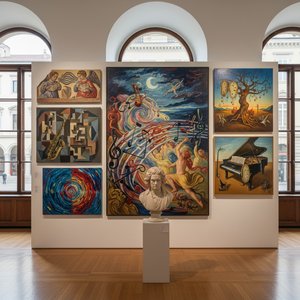
Harmonies on Canvas: Exploring the Visual Representation of Music in Art History
Explore the fascinating history of music's visual representation in art! From ancient symbolism to modern abstraction, discover how artists have captured sound and emotion on canvas. Expert insights & stunning examples.

Impressionism's Masterpieces: 10 Paintings That Defined a Movement | OriginalUniqueArt
Journey through Impressionism's heart with 10 iconic paintings by Monet, Renoir & Degas. Explore light, color & the stories behind these masterpieces. Find museum-quality art reproductions and elevate your home decor on OriginalUniqueArt.com.
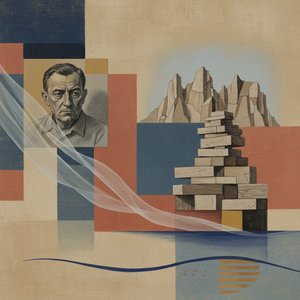
Josep Mompou Dencausse: Exploring Intimacy & Catalan Identity Through Minimalist Expression
Explore the captivating world of Josep Mompou Dencausse, a master of Post-Impressionism whose intimate paintings reflect Catalan identity and minimalist beauty. Discover his life, style & legacy.

光与影的彼岸:印象派与后印象派艺术收藏家的鉴赏之旅
深入探索印象派与后印象派艺术世界的瑰丽魅力。OriginalUniqueArt为您提供专业的艺术收藏建议、定制油画服务,助您构建独一无二的臻品系列。了解大师作品背后的故事,提升您的艺术鉴赏力。
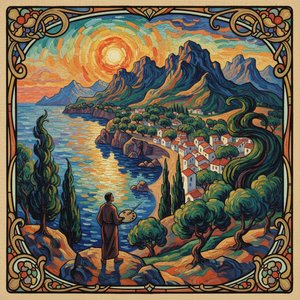
Joaquim Mir: A Catalan Visionary – Exploring Symbolism, Landscape & Modernist Aesthetic
Explore the captivating world of Joaquim Mir, a pivotal Catalan Modernisme painter. Discover his vibrant landscapes, symbolic depth & lasting influence on Spanish art history. Learn more at OriginalUniqueArt.

