效果预览
效果预览
 购买手绘画作
 分享
分享 分享
分享
 详情
详情

 下载
下载
 相似作品
相似作品 X射线
X射线 幻灯片播放
幻灯片播放untitled (942)


 展开详情
展开详情




P118B $10

P118H $10

P118W $10

P438Z $10

P508JH $12

P508YH $12

P805H $10

P805Z $10

P919BZ $10

P919G $10

P919XJ $10

P959ZH $10

P968JZ $12

W106C $8

W218G $10

W218JH $8

W218Y $10

W307PJ $10

W316G $10

W316PJ $8

W316Y $10

W398PJ $8

W4111J $10

W500HY $15

W500JH $15

W692G $12

W849H $8

W940BG $15

W953PJ $8




从与原作比例一致的预设尺寸中进行选择。

您可以输入自定义尺寸,以适配特定的画框或空间。如果您选择的尺寸与原图比例不符,我们将对作品进行裁剪,或通过镜像填充/纯色填充边缘的方式来扩展图像。在开始制作之前,我们会向您发送一份数字效果图供您确认。
请注意,屏幕上的预览并不能反映实际的裁剪或扩展效果。只有效果图才能准确展示最终的构图。
虽然我们提供定制尺寸,但为了保持原图比例,我们建议您从预设列表中选择尺寸。


 玻璃选项仅适用于110厘米以下的尺寸。

untitled (942)
艺术微喷/版画
复制品尺寸
-


最终总价
$ 80
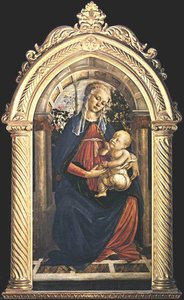
A Renaissance Encounter: Divine Revelation in Botticelli’s “untitled (942)”
Sandro Botticelli's “untitled (942)” is a captivating glimpse into the heart of Renaissance religious devotion, a small-scale yet profoundly moving depiction of an angel kneeling before what is almost certainly the Virgin Mary. The painting, executed with the meticulous detail and graceful linearity characteristic of Botticelli’s style, draws the viewer into an intimate moment of communication between the celestial and earthly realms. Framed tightly within what appears to be an arched doorway or portal – a symbolic threshold between worlds – the composition focuses our attention entirely on the figures themselves, intensifying the sense of reverence and spiritual significance.
The Language of Line and Light
Botticelli’s mastery lies in his ability to imbue form with emotion through elegant draftsmanship. In “untitled (942),” lines define not just the contours of the angel's wings, drapery, and Mary’s serene face, but also convey a sense of movement and grace. The shapes are largely geometric – rectangles, squares, and triangles – providing structural stability while simultaneously contributing to the painting’s harmonious balance. The artist employs oil paint with characteristic Renaissance technique, building up layers of glazes to achieve luminosity and subtle variations in tone. Light, originating from an unseen source above and to the left, plays a crucial role, casting delicate shadows that emphasize form and create depth within the confined space. This directional lighting isn’t merely descriptive; it serves to highlight the emotional weight of the scene, drawing our eyes towards Mary's outstretched hand and the angel’s gesture of offering – a moment poised between supplication and revelation.
Symbolism and Spiritual Resonance
The iconography within “untitled (942)” is rich with religious symbolism. The angel, identifiable by his wings and staff, represents divine communication, a messenger from God bearing tidings or perhaps seeking guidance. Mary, embodying piety and grace, receives this message with quiet dignity. Her expression is one of serene acceptance, her outstretched hand suggesting both receptivity and blessing. The architectural element framing the scene – the arched doorway – can be interpreted as a symbolic portal to heaven, emphasizing the connection between the earthly and divine. Beyond the figures, a distant landscape glimpsed through the archway adds depth and context, hinting at the wider world beyond this sacred encounter. The warm color palette—rich reds, blues, and golds—further enhances the painting’s opulent atmosphere and devotional quality, evoking a sense of solemnity and spiritual awe.
Botticelli's Place in Renaissance Florence
Born Alessandro di Mariano di Vanni Filipepi in Florence around 1445, Botticelli flourished during a period of immense artistic and cultural ferment. His early training as a goldsmith instilled in him a meticulous attention to detail that would become a hallmark of his style. While influenced by earlier masters like Fra Angelico and Paolo Uccello, Botticelli developed a uniquely personal approach, characterized by elegant linearity and graceful figures. He bridged the gap between the late Gothic tradition and the emerging Early Renaissance aesthetic, creating works that are both timelessly beautiful and deeply rooted in their historical context. “untitled (942)” exemplifies this synthesis of influences, showcasing Botticelli’s ability to blend technical skill with profound spiritual insight. The painting stands as a testament to his enduring legacy as one of the most beloved artists of the Italian Renaissance.
艺术家简介
早期生活与佛罗伦萨的开端
桑德罗·波提切利(Sandro Botticelli),原名亚历山德罗·迪·马里亚诺·迪·瓦尼·菲利佩皮(Alessandro di Mariano di Vanni Filipepi),大约于1445年左右出生在意大利佛罗伦萨,正值文艺复兴早期文化蓬勃发展的时期。他的生活深深扎根于这座城市的艺术和社会脉络之中;他从未远离过奥尼亚桑蒂(Ognissanti)街区,这既体现了他与家庭的紧密联系,也证明了滋养着他的充满活力的创造性生态系统。他的父亲马里亚诺·菲利佩皮最初是一位金匠,后来成为一名鞣制工人,为波提切利提供了早期接触工艺和一丝不苟细节的机会——这些品质将深刻地影响他的艺术手法。尽管最初的报告表明他接受过金匠培训,但他很快在著名画家弗拉·菲利波·利皮(Fra Filippo Lippi)的指导下找到了自己的归宿。这个学徒期是他职业生涯中的一个关键时刻,使他沉浸在佛罗伦萨画派的技术和美学之中,同时也让他与包括美第奇家族在内的有影响力的赞助人建立了联系。
以优雅与神话为特征的风格
波提切利的艺术风格因其抒情的优美而立即辨认得出,其特点是优雅的线性、流畅的轮廓和微妙的色彩运用。他巧妙地弥合了晚期哥特式传统与新兴文艺复兴美学之间的差距,吸收了弗拉·安杰利科(Fra Angelico)和保罗·乌切洛(Paolo Uccello)等大师的影响,却开创了一种独特的个人视野。他的形象具有一种空灵的品质,通常描绘出比例修长、姿态优雅的人物,既传达出宁静,又带有一丝淡淡的忧郁。他作品中经常融入古典神话的一个显著特征反映了席卷文艺复兴佛罗伦萨的人文主义兴趣。他不只是插图这些古老的传说;他赋予它们新的意义层次,探索爱、美和精神渴望的主题。
波提切利的技巧在当时具有创新性。他经常采用银点绘画方法进行底色处理,为他的成品贡献了光泽和精致的细节。他对蛋彩颜料的使用使精确的再现和鲜艳的色彩成为可能,而他后来对油画的实验则拓宽了他的表现力。
标志性杰作与艺术发展
波提切利的遗产建立在他那几幅标志性的绘画之上,这些绘画几个世纪以来一直吸引着观众。《维纳斯的诞生》(The Birth of Venus),创作于大约1486年,堪称他最著名的作品之一——一个寓言式的描绘女神从贝壳中出现,体现了文艺复兴时期对美的理想和和谐。其优雅的构图、精致的色彩调盘和富有表现力的象征意义使其成为该时代的持久象征。同样享有盛誉的是《春》(Primavera),创作于大约1482年,一幅复杂而神秘的画作,庆祝春天和爱,充满了来自古典神话的象征性人物。这些作品展示了波提切利对构图的掌握、他创造大气深度的能力以及他对人类情感的深刻理解。
他的艺术之旅经历了不同的阶段。1470 年代初,他专注于宗教主题,磨练了他的技术技能,并确立了他精湛技艺的名声。 1480 年代标志着他创造力的巅峰时期,创作了他最著名的神话画作。然而,1590 年代末见证了他在风格上的转变,受到吉罗拉莫·萨瓦纳罗拉(Girolamo Savonarola)——一位谴责佛罗伦萨所认为的堕落和道德腐败的笃明会修士热忱布道的影响。这一时期产生了更加严峻和充满情感的作品,反映了他日益增长的精神强度。
遗产与再发现
波提切利于 1510 年去世后,他的名誉逐渐衰落。近三个世纪以来,他的作品在很大程度上被遗忘,被像列奥纳多·达·芬奇(Leonardo da Vinci)和米开朗基罗(Michelangelo)等文艺复兴盛期大师的成就所掩盖。然而,19 世纪末普拉拉费利主义兄弟会(Pre-Raphaelite Brotherhood)的出现重新发现了他的作品——这是一个拒绝学术惯例并从早期意大利文艺复兴艺术中寻求灵感的英国艺术家团体。他们对波提切利的线性优雅、鲜艳的色彩和诗意的敏锐性感到着迷,将他视为志同道合的人。
这种新的欣赏引发了对他作品的广泛重新评估,确立了他成为早期文艺复兴时期最重要的艺术家之一。如今,波提切利因其独特的艺术视野、他高超的技术以及他持久地唤起美丽、情感和精神沉思的能力而受到赞扬。他的影响可以体现在后世寻求在自己的作品中捕捉同样优雅和精致的艺术家身上。他仍然是佛罗伦萨艺术成就的象征,也是文艺复兴人文主义力量的证明。
主要作品
- 《维纳斯的诞生》(c. 1486):描绘了美的文艺复兴理想的标志性作品。
- 《春》(c. 1482):一幅复杂而寓言性的画作,庆祝春天和爱。
- 《马槽朝拜》(1475-1476):展示了早期对构图和透视的掌握。
- 《神秘诞生》(1501):反映了他职业生涯后期对精神主题的转变。
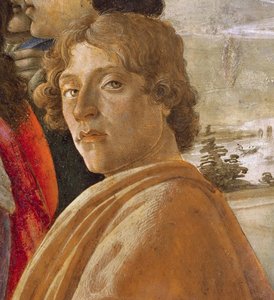
波蒂切利
1445 - 1510 , 意大利
艺术家简介
- 全名: 桑德罗·波提切利(Alessandro di Mariano Filipepi)
- 出生地点: 佛罗伦萨,意大利
- 出生日期: 约1445年
- 受此艺术家影响的艺术家或运动: ['前拉斐尔派']
- 国籍: 意大利人
- 影响该艺术家的艺术家:
- 弗拉·安杰利科
- 保罗·乌切洛
- 艺术运动或风格: 早期文艺复兴
- 著名作品:
- 维纳斯的诞生
- 春季
- 马槽旁的供奉
- 神秘的诞生
相关文章
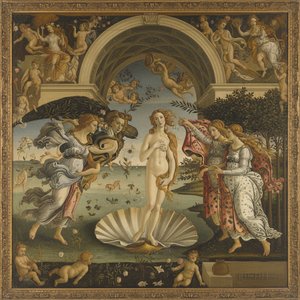
波提切利大师25幅杰作:文艺复兴之美与家居艺术灵感 | Sandro Botticelli's 25 Masterpieces: Renaissance Beauty & Home Decor Inspiration
探索波提切利大师的25幅杰作!深入了解《春》、《维纳斯的诞生》等经典文艺复兴绘画作品背后的故事、艺术技巧与文化意义。在OriginalUniqueArt.com,寻找高品质艺术品复制画,为您的家居空间增添永恒之美。立即探索完整系列!

Celestial Messengers: A Comprehensive Exploration of Angelic Representation in Art History
Explore the captivating history of angels in art! Discover symbolism, iconic Renaissance masterpieces & renowned artists. Expert insights for art lovers & collectors at OriginalUniqueArt.

Celestial Messengers: Angels in Painting – A Historical & Artistic Exploration
Explore the captivating history of angels in painting! Discover symbolism, iconic Renaissance & Byzantine masterpieces, and renowned artists. Expert insights for art lovers & collectors at OriginalUniqueArt.
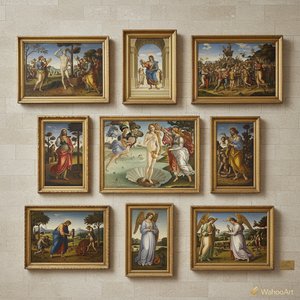
领衔文艺复兴曙光:十幅早期大师名作,点亮您的艺术品味
探索文艺复兴曙光!本文精选十幅早期大师杰作,从达芬奇到拉斐尔,揭秘艺术背后的故事与技法。感受色彩的魅力,领略经典永恒的力量。OriginalUniqueArt.com为您提供博物馆品质的艺术品复制和个性化家居装饰方案。尽在OriginalUniqueArt.com!

The Enduring Legacy of Oil on Canvas: Technique, History & Aesthetic Impact
Explore the rich history & techniques of oil painting – from Renaissance masters to Impressionism. Discover pigments, layering methods, and why this timeless medium endures. Expert insights for artists & art enthusiasts.