切换至版画销售渠道
 展开全文
展开全文







































 对于任何边长超过 105 厘米(约 41 英寸)的艺术品或复制品,画框将以拆解后的组件形式发货。此方法可确保安全送达并防止运输过程中的损坏。


Athene and the Centaur: A Renaissance Dance of Power and Temptation
Sandro Botticelli’s “Athene and the Centaur,” a captivating oil painting from around 1482, isn't merely a depiction of mythological figures; it’s a carefully constructed allegory brimming with symbolism and reflecting the intellectual currents of the burgeoning Renaissance. This work, now housed within the Uffizi Gallery in Florence, offers a glimpse into Botticelli’s masterful command of classical themes, his meticulous attention to detail, and his ability to imbue seemingly simple scenes with profound meaning. The painting immediately draws the eye to Victoria – often identified as Pallas Athena, the Greek goddess of wisdom and strategic warfare – who stands poised and resolute in the foreground. Her armor, a testament to her authority, is adorned with laurel wreaths, symbols of victory and intellectual prowess. She’s not simply observing; she's actively intervening, grasping the centaur’s hair with a decisive gesture that halts his predatory advance.
The central figure of the centaur presents a compelling counterpoint to Victoria’s controlled power. He embodies primal instinct, untamed desire, and the allure of the natural world – a potent force constantly battling against reason and restraint. His muscular physique and aggressive stance suggest a raw, almost animalistic energy, while his bow is drawn, poised to unleash a deadly shot. The dynamic triangular composition—Victoria, the centaur, and the implied architectural backdrop—creates a sense of movement and tension, mirroring the ongoing struggle between opposing forces. Botticelli’s skill lies not just in rendering these figures realistically, but in conveying their inherent drama through posture, gesture, and expression.
A Symphony of Color and Technique
Botticelli's technique is characterized by a remarkable layering of oil paints, building up complex forms and textures with painstaking precision. The artist masterfully employs chiaroscuro – the dramatic contrast between light and shadow – to highlight Victoria’s regal presence, casting her in a radiant glow while simultaneously emphasizing the darkness surrounding the centaur. Notice how the folds of his clothing are rendered with meticulous detail, mimicking the texture of fabric through subtle brushstrokes. Similarly, the landscape behind them—a river flowing towards distant hills—is painted with atmospheric perspective, creating a sense of depth and space that anchors the scene within a believable world.
The color palette is predominantly earthy – ochres, browns, and greens – punctuated by flashes of gold, particularly in Victoria’s armor and the architectural elements. This restrained use of vibrant hues contributes to the painting's overall sense of solemnity and gravitas. Botticelli’s attention to detail extends beyond mere representation; he uses color to subtly reinforce the symbolic meaning of the scene. The green foliage surrounding the centaur, for example, might represent the untamed wilderness from which he originates, while Victoria’s golden armor symbolizes her divine authority and victory over earthly passions.
Mythological Roots and Renaissance Ideals
“Athene and the Centaur” is deeply rooted in classical mythology. The story it depicts draws upon ancient Greek tales of Pallas Athena's confrontation with a centaur who attempted to seduce or harm her. However, Botticelli doesn’t simply recreate this myth; he transforms it into an allegory for broader Renaissance concerns. During the 15th century, Florence was experiencing a renewed interest in classical learning and philosophy, fueled by the rediscovery of ancient Greek texts. Humanists like Botticelli sought to integrate classical ideals—such as reason, virtue, and the balance between opposing forces—into their art.
The painting can be interpreted as an exploration of the tension between intellect and instinct, order and chaos. Victoria represents the triumph of reason and virtue over primal desires, while the centaur embodies the untamed instincts that threaten to disrupt social harmony. Furthermore, the inclusion of the Medici family’s emblem – three interlocking rings – on Victoria's attire suggests a deliberate connection to the powerful Florentine banking dynasty, subtly aligning the painting with their patronage and aspirations for civic virtue. It is a work rich in layers of meaning, inviting viewers to contemplate the complexities of human nature and the enduring power of classical ideals.
A Timeless Masterpiece – Perfect for Reproduction
Botticelli’s “Athene and the Centaur” remains a profoundly moving and intellectually stimulating artwork. OriginalUniqueArt offers meticulously crafted hand-painted reproductions that capture the essence of this Renaissance masterpiece, allowing you to bring its beauty and symbolism into your home or office. Our skilled artists faithfully recreate Botticelli's intricate details, vibrant colors, and dramatic lighting, ensuring that your reproduction is a true work of art in its own right. Whether you’re an art enthusiast, a collector, or simply seeking a stunning piece of décor, a OriginalUniqueArt reproduction of “Athene and the Centaur” offers a timeless connection to one of the Renaissance's greatest artistic achievements.
常见问题与解答
"Athene And The Centaur" 会为空间营造怎样的氛围?
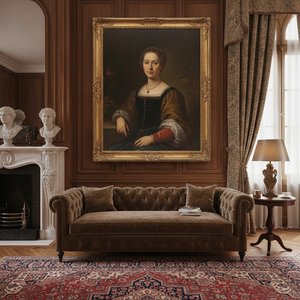
凭借其Romantic的意境,建议将“Athene And The Centaur”装饰于Living Room。
建议将 波蒂切利 的《Athene And The Centaur》 悬挂在哪个空间?
"Athene And The Centaur" 的复制品非常适合陈设于 Living Room 中。
波蒂切利 的《Athene And The Centaur》 传达了怎样的情感?
波蒂切利 的《Athene And The Centaur》 在整体 Romantic 的氛围中,传达出一种 Mysterious 的情感。
 实景预览
实景预览
 分享
分享 分享
分享
 详情
详情 指南
指南

 下载作品
下载作品
 相似作品
相似作品 X射线
X射线 幻灯片播放
幻灯片播放 问答
问答 统计数据
统计数据