

 效果预览
效果预览
 购买手绘画作
 分享
分享 分享
分享
 详情
详情

 下载
下载
 相似作品
相似作品 X射线
X射线 幻灯片播放
幻灯片播放Self-Portrait
 Acrylic On Canvas
- WallArt
- Baroque Style
 1647
1647 102.0 x 79.0 cm
 冬宫博物馆 (Hermitage Museum)
 展开详情
展开详情




P118B $10

P118H $10

P118W $10

P438Z $10

P508JH $12

P508YH $12

P805H $10

P805Z $10

P919BZ $10

P919G $10

P919XJ $10

P959ZH $10

P968JZ $12

W106C $8

W218G $10

W218JH $8

W218Y $10

W307PJ $10

W316G $10

W316PJ $8

W316Y $10

W398PJ $8

W4111J $10

W500HY $15

W500JH $15

W692G $12

W849H $8

W940BG $15

W953PJ $8




从与原作比例一致的预设尺寸中进行选择。

您可以输入自定义尺寸,以适配特定的画框或空间。如果您选择的尺寸与原图比例不符,我们将对作品进行裁剪,或通过镜像填充/纯色填充边缘的方式来扩展图像。在开始制作之前,我们会向您发送一份数字效果图供您确认。
请注意,屏幕上的预览并不能反映实际的裁剪或扩展效果。只有效果图才能准确展示最终的构图。
虽然我们提供定制尺寸,但为了保持原图比例,我们建议您从预设列表中选择尺寸。


 玻璃选项仅适用于110厘米以下的尺寸。

Self-Portrait
艺术微喷/版画
复制品尺寸
-


最终总价
$ 80
藏品详情
A Window into Genius: Examining Samuel Dirksz van Hoogstraten’s Self Portrait
Samuel Dirksz van Hoogstraten, a luminary of the Dutch Golden Age (1627-1678), stands as a testament to artistic ambition and intellectual prowess. More than merely capturing his likeness on canvas, he undertook a profound exploration of perception itself—a characteristic hallmark of his era and a cornerstone of his enduring legacy. This meticulously crafted self-portrait, completed in 1647, transcends the conventions of portraiture, presenting us with an image brimming with symbolic resonance and technical brilliance that continues to captivate viewers centuries later.The Baroque Vision: Style and Technique
Van Hoogstraten’s artistic approach firmly rooted him within the Baroque movement—a stylistic paradigm defined by dramatic contrasts of light and shadow, opulent ornamentation, and a fervent desire to evoke emotion. The painting employs trompe-l'oeil techniques with masterful precision, blurring the boundaries between reality and illusion. Notice how the artist skillfully renders the window frame and its reflection as if it were an actual architectural element within the composition—a technique designed not just for visual spectacle but also to heighten the viewer’s sense of depth and immersion. Brushstrokes are deliberate and controlled, conveying a palpable energy while simultaneously achieving remarkable smoothness and tonal gradation. The pigment choices – predominantly reds and browns – contribute to the painting's rich palette and underscore its solemn mood.A Reflection on Observation: Composition and Symbolism
The composition itself is carefully considered—a balanced arrangement that draws the eye inward toward the central figure. Positioned slightly off-center, Van Hoogstraten gazes out of the window, suggesting contemplation and introspection. The inclusion of two books – one prominent in the foreground and another nestled amongst the folds of his robe – speaks to the artist’s intellectual pursuits and underscores the importance of knowledge within his worldview. These symbols aren't merely decorative; they represent Van Hoogstraten’s engagement with humanist ideals prevalent during his time—a preoccupation with reason, observation, and understanding the complexities of human experience. The chair behind him serves as a grounding element, anchoring the figure amidst the expansive vista beyond the windowpane.Historical Context: Dordrecht and Artistic Innovation
Created in Dordrecht, Netherlands, during the height of Dutch mercantile prosperity and artistic flourishing, this self-portrait reflects the broader cultural landscape of its time. Van Hoogstraten’s formative years were spent within his father's workshop—a crucible for honing fundamental artistic skills—before embarking on a journey to Amsterdam, where he immersed himself in the vibrant artistic milieu of the Golden Age. He was influenced by Rembrandt’s masterful use of chiaroscuro and sought to emulate his ability to convey psychological depth through visual representation. This painting stands as an exemplar of Dutch Baroque artistry—a genre characterized by its dramatic flair and intellectual sophistication.Emotional Resonance: Beyond Mere Representation
Ultimately, ‘Self Portrait’ transcends the limitations of a simple likeness. It communicates a profound sense of solitude and thoughtfulness—a glimpse into the artist's inner life as he confronts the world outside his window. The gaze is direct yet melancholic, inviting viewers to contemplate their own perceptions and experiences. Van Hoogstraten’s achievement lies not merely in replicating visual reality but in capturing its emotional essence—a feat that cements his place among the most influential artists of his era and ensures that this captivating image continues to inspire admiration for generations to come.艺术家简介
幻觉与智慧的大师:萨缪尔·迪尔克兹·范·霍格斯特拉滕的世界
萨缪尔·迪尔克兹·范·霍格斯特拉滕(Samuel Dirksz van Hoogstraten),这个名字回荡着荷兰黄金时代那令人赞叹的创造力,他绝不仅仅是一位画家。他于1627年出生于多德雷赫特,并于1678年在此溘然长逝,他的生命本身便体现了那个时代对知识的好奇、艺术的革新以及蓬勃发展的商业力量。在他笔下,画布不再仅仅是记录现实的场所,他更是在解构现实,玩弄感知,探索表现形式本身的本质。范·霍格斯特拉千不仅以精湛的画技闻名,更作为一名诗人与深刻的艺术理论家,留下了一份超越视觉领域、深入思想世界的丰厚遗产。他的艺术之旅始于父亲迪尔克·范·霍格斯特拉滕的家族作坊,在前往17世纪荷兰艺术心脏——阿姆斯特丹之前,他已在此打下了坚实的艺术原则基础。正是在那里,他进入了伦勃朗·范·莱因那备受推崇的工作室,这段经历深刻地塑造了他早期的风格以及对光影处理的独特见解。从伦勃朗的阴影走向独立的视野
在范·霍格斯特拉的早期作品中,伦勃朗的影响力是不言而喻的。现藏于维也纳利希滕斯坦收藏馆的一幅1645年的肖像画,便是这段学徒生涯的明证。然而,不同于许多终身受困于师门风格的学生,范·术斯特拉拥有一种永无止境的实验欲望和一颗不安分的灵魂,驱使着他超越模仿。他不满足于仅仅复制伦勃朗式的明暗对照法,而是试图去解构它、分析其效果,并最终锻造出属于自己的独特艺术语言。这种追求引领他踏上了遍布欧洲的漫长旅程——足迹遍及维也纳、罗马与伦敦——这使他接触到了多元的艺术传统,并极大地促进了他的思想成长。这些旅程并非单纯的观光,而是对建筑、透视以及各地盛行审美情趣的沉浸式研究。回到多德雷赫特后,他在1656年结婚,并担任了铸币厂监察官这一公职,展现出其在艺术领域之外的多面才华。在此期间,他的技艺得到了进一步升华,向着更加精妙的幻觉主义与空间表现力迈进。错视画、透视盒与欺骗的艺术
范·霍格斯特拉的艺术造诣在其对trompe-l’œil(错视画)的掌控中达到了巅峰,这种技法意为“欺骗眼睛”。他的静物画并非简单的物体堆砌,而是精心构筑的幻象,旨在模糊现实与表现之间的界限。他赋予那些看似随意的物件以深层的象征意义,邀请观者去沉思生命的转瞬即逝以及物质财富那具有欺骗性的诱惑。与此同时,他因创作“窥视盒”或“透视盒”而闻名遐迩——这些精巧的装置通过巧妙布置的窥视孔,为人们提供了进入微缩世界的沉浸式三维视角。其中一个现存于伦敦国家美术馆的盒子,在透过孔洞观察时,能以惊人的写实感重现典型的荷兰房屋内部景象。这些作品并非仅仅是新奇的小玩意,而是对透视与空间幻觉的高级探索,展示了范·术斯特拉对人类肉眼如何感知深度与维度的深刻理解。他的建筑绘画,例如1652年的维也纳霍夫堡宫景观,进一步彰显了他的技术功底与对细节的极致追求。理论家的遗产:《绘画学院入门》
然而,萨缪尔·范·霍格斯特拉的贡献远不止于他的绘画与透视盒。他是一位虔诚的艺术理论家,试图在其1678年出版的巨著Inleyding tot de hooge schoole der schilderkonst: anders de zichtbaere werelt(《绘画学院入门》,或称《可见世界》)中对绘画原则进行系统化的总结。这部雄心勃勃的论文书,是17世纪荷兰共和国所产出的最全面、最具思想严密性的艺术理论探索之一。范·霍格斯特拉深入探讨了图像说服力、幻觉主义、艺术家的道德责任以及绘画与哲学之间的关系,并广泛借鉴了古代与现代的各种文献。他站在卡雷尔·范·曼德尔早期著作《画家书》奠定的基础上,力求为理解与实践绘画艺术建立一个系统性的框架。他的文字既反映了从旅途中汲取的国际影响,也记录了当时荷兰艺术圈内的辩论。正是这种对阐明技艺背后原则的执着,确立了他作为艺术理论史上关键人物的地位。持久的影响力
范·霍格斯特拉的影响力在随后的艺术家世代中持续回响,尤其是通过他的学生们——包括他的兄弟扬·范·霍格斯特拉、阿特·德·格尔德、科内利斯·范·德·梅伦以及戈弗里德·沙尔肯。他的遗产还保存在其学生阿诺德·豪布拉肯的著作中,后者撰写的艺术家传记已成为研究他生平与作品的核心史料。萨缪尔·迪尔克兹·范·霍格斯特拉不仅仅是一位画家;他是一位博学者——集艺术家、诗人、理论家与行政官于一身——完美体现了荷兰黄金时代的知识激荡。他创新的技法、对感知的深刻洞察,以及对阐述艺术原则的奉献精神,至今仍在吸引并启发着观众,巩固了他作为一位超越时代的幻觉与智慧大师的地位。
萨缪尔·迪尔克斯·范·霍格斯特拉滕
1627 - 1678 , 荷兰
相关文章

伦勃朗25幅杰作:光影大师的艺术传奇与家居臻选
探索伦勃朗25幅杰作,领略荷兰黄金时代光影大师的艺术传奇!从《夜巡》到自画像,深入了解巴洛克艺术、历史绘画与人物肖像背后的故事。OriginalUniqueArt.com提供高清艺术复制品及家居装饰灵感。立即探索完整系列!

Dutch Baroque Masters: 10 Paintings That Shaped an Era | OriginalUniqueArt
Journey through the Golden Age with our guide to the Top 10 Dutch Baroque masterpieces! Explore iconic paintings by Rembrandt, Vermeer & Frans Hals. Find museum-quality art reproductions and elevate your home decor at OriginalUniqueArt.com.
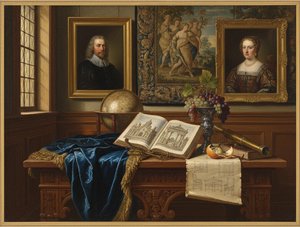
Masterpieces of the 17th Century: Art, History & Decor Inspiration | OriginalUniqueArt
Journey through 17th century art with masterpieces by Rembrandt, Vermeer & Caravaggio. Explore Baroque paintings, Dutch Golden Age techniques & timeless beauty. Find museum-quality reproductions and elevate your home decor on OriginalUniqueArt.com.
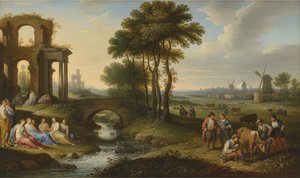
Cornelis van Poelenburch: Bridging Mannerism & the Dutch Baroque Landscape
Discover Cornelis van Poelenburch, a pivotal Dutch Baroque landscape painter bridging Mannerism & Italianate styles. Explore his life, key works, and lasting influence on 17th-century art with OriginalUniqueArt.

荷兰黄金时代绘画:文化创新中的现实主义反思
深入探索荷兰黄金时代绘画的文化创新与现实主义反思。本文解读伦勃朗、维米尔等大师的作品,并结合玛莉特·韦斯特曼的图像学研究,揭示艺术史背后的社会语境与现代性意识觉醒。

