

 实景预览
实景预览
 发送
发送 分享
分享
 详情
详情 指南
指南

 下载图片
下载图片
 相似作品
相似作品 X射线
X射线 幻灯片播放
幻灯片播放 统计数据
统计数据Eclipse and Vegetable Osmosis


 阅读全文
阅读全文
手工油画复制品
由我们的艺术家按需定制,为您提供您所选尺寸及画框的布面手工油画。 ( 切换至版画销售渠道 切换至数字图像销售渠道)




P118B ¥10

P118H ¥10

P118W ¥10

P438Z ¥10

P508JH ¥12

P508YH ¥12

P805H ¥10

P805Z ¥10

P919BZ ¥10

P919G ¥10

P919XJ ¥10

P959ZH ¥10

P968JZ ¥12

W106C ¥8

W218G ¥10

W218JH ¥8

W218Y ¥10

W307PJ ¥10

W316G ¥10

W316PJ ¥8

W316Y ¥10

W398PJ ¥8

W4111J ¥10

W500HY ¥15

W500JH ¥15

W692G ¥12

W849H ¥8

W940BG ¥15

W953PJ ¥8




您可以从与原作比例一致的预设尺寸中进行选择。

请输入您需要的宽度和高度,以适配您的画框或墙面。由于作品为手工绘制,若您选择不同的尺寸比例,艺术家可能会在画面边缘多画一些或稍作裁剪 —— 由您决定。在开始绘画之前,我们会为您发送一份数字效果图供您确认。本页面上展示的图片并非最终实物 —— 只有效果图才能反映真实结果。
下单后,OriginalUniqueArt.com 团队将通过电子邮件联系客户获取具体要求,并提供效果预览图


 玻璃选项仅适用于110厘米以下的尺寸。

Eclipse and Vegetable Osmosis
复制品材质
复刻品尺寸说明
-


总计金额
¥ 2015
Salvador Dalí’s “Eclipse and Vegetable Osmosis”: A Descent into Surrealist Dreamscape
Salvador Dalí's "Eclipse and Vegetable Osmosis," painted in 1934, isn’t merely a landscape; it’s an immersion. This pivotal work from the heart of Dalí’s surrealist period offers a glimpse into the artist’s meticulously constructed inner world—a realm where logic dissolves and the subconscious reigns supreme. More than just a visual representation, it's a carefully orchestrated exploration of perception, time, and the unsettling beauty of decay and rebirth. The painting immediately commands attention with its arresting composition: a stark red path bisects an otherwise desolate scene, leading towards a solitary tree adorned with an umbrella, a symbol of both protection and the unknown. The backdrop—a hazy expanse suggesting either a beach or desert—further amplifies the sense of disorientation and invites the viewer to become an active participant in deciphering its enigmatic narrative.
Contextualizing the Vision: Surrealism and Dalí’s Experimentation
“Eclipse and Vegetable Osmosis” emerged during a period of intense experimentation for Dalí, a time when he was actively pushing the boundaries of artistic expression. Influenced by Cubism's fragmentation of form and Futurism’s embrace of dynamism, Dalí sought to capture not just what *looked* like reality but also the subjective experience of it—the fleeting thoughts, anxieties, and desires that shape our perception. The painting reflects his deep engagement with psychoanalysis, particularly Freud’s theories on dreams and the unconscious mind. The deliberate juxtaposition of seemingly unrelated elements – a horse, an umbrella, a decaying tree – creates a tension that mirrors the unsettling nature of dream imagery. It's a deliberate attempt to bypass rational thought and tap into a deeper, more primal level of understanding.
Symbolism Unveiled: Horses, Umbrellas, and the Path of Transformation
The symbolism within “Eclipse and Vegetable Osmosis” is layered and deliberately ambiguous. The horse, a recurring motif in Dalí’s work, represents strength, power, and even death—a potent symbol of both vitality and vulnerability. Its placement on the red path suggests a journey, perhaps one fraught with challenges and uncertainties. The umbrella, often interpreted as a shield against the anxieties of the unknown, offers a fragile defense against the encroaching darkness of the eclipse. The tree itself is particularly significant; its decaying state hints at mortality and the cyclical nature of life and death, while simultaneously suggesting growth and transformation—a visual metaphor for the passage of time and the enduring spirit of nature. The two figures in the background are thought to represent the observer’s role in interpreting reality, inviting us to actively engage with the painting's mysteries.
Technique and Artistic Influence: A Masterful Blend
Dalí’s meticulous technique is evident in every detail of “Eclipse and Vegetable Osmosis.” He employed a highly polished, almost photographic realism—a hallmark of his style—to render the surreal elements with startling clarity. The use of vibrant colors, particularly the intense red of the path, draws the eye and intensifies the painting’s emotional impact. Beyond his technical skill, Dalí was deeply influenced by Renaissance masters like Raphael and Leonardo da Vinci, evident in the careful composition and attention to detail. This masterful blend of surrealist concepts with classical artistic principles is what elevates “Eclipse and Vegetable Osmosis” beyond mere fantasy—it's a profound meditation on the nature of reality itself.
A Timeless Masterpiece: Reproduction and its Significance
OriginalUniqueArt offers meticulously crafted, hand-painted reproductions of "Eclipse and Vegetable Osmosis," ensuring that the essence of Dalí’s vision is faithfully preserved. These aren't simply prints; they are works of art created by skilled artists who understand the nuances of Dalí’s style and technique. Owning a reproduction allows you to bring this captivating surrealist landscape into your home or office, sparking conversation and inviting contemplation. As with all of Dalí’s work, “Eclipse and Vegetable Osmosis” continues to challenge our perceptions and remind us that reality is often far stranger—and more beautiful—than we might initially believe. Consider it a portal to the depths of the subconscious, a testament to the power of art to transcend the boundaries of logic and imagination.
问答详情
萨尔瓦多·达利 的《Eclipse and Vegetable Osmosis》 的版权情况是如何界定的?
萨尔瓦多·达利 的《Eclipse and Vegetable Osmosis》 已进入 仍受版权保护。版权保护期自艺术家逝世之日起计算,该艺术家于 1989 年逝世。
萨尔瓦多·达利 的《Eclipse and Vegetable Osmosis》 在艺术史中处于怎样的地位?
萨尔瓦多·达利 的《Eclipse and Vegetable Osmosis》 属于 现代主义 时期的 Surrealism 流派。两者共同确立了该作品在艺术史上的地位。
在哪里可以找到关于萨尔瓦多·达利 的《Eclipse and Vegetable Osmosis》的数据统计?
萨尔瓦多·达利 的《Eclipse and Vegetable Osmosis》 的 统计数据 页面展示了公开访问统计数据:该作品的每月访问量、与艺术家最受关注作品的对比,以及访客的来源地。
艺术家简介
沉浸于梦境的一生:萨尔瓦多·达利的世界
萨尔瓦多·多明戈·费利佩·雅辛托·达利 i 多梅内奇,这个与超现实主义紧密相连的名字,于1904年5月11日诞生在阳光普照的西班牙菲格拉斯小镇。他的生命注定非同寻常,仿佛一场精心策划的表演,通过令人震惊的意象和精湛的技术,将潜意识探索为可见之物。早年的阴影笼罩着他;与他同名的哥哥在他出生九个月前就去世了,这一创伤使他的艺术作品充满了二元性和替代性的主题。这种早期的成长经历,结合他对严厉而务实的父亲的复杂关系以及母亲的溺爱关怀,塑造了一个既张扬又深刻内省的人格。自幼年起,达利就展现出非凡的艺术天赋,通过在马德里圣费尔范多美术学院接受的正规训练得以培养。然而,与现代绘画——特别是文艺复兴大师的作品——的一次关键相遇,点燃了他内心对打破传统和开辟自己独特道路的强烈愿望。
巴黎的熔炉与超现实主义视域的诞生
1926年前往巴黎的旅程具有变革意义,将达利沉浸在先锋运动的核心。他被戴达主义的反叛精神所吸引,其对逻辑的拒绝和对荒诞的拥抱引起了他自己日益增长的艺术倾向的回响。更重要的是,正是在巴黎,他完全接受了超现实主义,并与安德烈·布雷东、巴勃罗·毕加索(达利深切敬仰)和何塞·米罗等关键人物建立了联系。这次相遇不仅仅是风格的采用;达利彻底革新了这个运动。他发展了他称之为“偏执-批判法”的技术,这是一种旨在释放潜游于潜意识中隐藏意象的自我诱导的精神错乱状态。这种技术使他能够用惊人的清晰度和一丝不苟的细节将梦境、焦虑和深深个人化的符号转化为画布。其结果便是一个由融化的钟表、拉长的阴影、扭曲的人物和奇异的并置所构成的世界——这些正是他那极具辨识度风格的标志。完成于1931年的《记忆的永恒》,无疑是他最著名的作品之一,它捕捉了超现实主义对时间流逝、记忆脆弱以及不可避免之衰败的深刻探索。
超越画布:一位多才多艺且精力充沛的艺术家
达利的创作范围远不止于绘画。他是一位极其多产的艺术家,涉足了雕塑、电影——特别是与阿尔弗雷德·希区柯克在《灼热狂情》中的合作以及与华特·迪士尼的合作——图形艺术、珠宝设计甚至舞台布景。他的痴迷并不局限于传统的艺术媒介;他探索了商业艺术的边界,设计广告和橱窗展示。反复出现的符号贯穿了他的作品:象征腐烂的蚂蚁、代表孕育生命与希望的鸡蛋、暗示支持与脆弱的拐杖、暗示隐藏秘密的抽屉,以及体现现实不稳定性之物。这些符号并非随意选择;它们深深植根于他的焦虑、欲望和记忆之中。诸如对失去的感人探索《朱丽叶的墓》、反映对虚假性和身份痴迷的《曼尼肯(巴塞罗那曼尼肯)》,以及对死亡令人不安的描绘《风景中的苍蝇》,都展示了他主题关注的广度和深度。他通过多年实践磨练出的精湛技术,使他能够用摄影般的写实主义来呈现这些幻想的幻象,从而进一步放大了它们那种令人不安的力量。
怪诞、遗产与持久的影响力
在达利的整个生命中,他培养了一种与其艺术同样张扬且怪诞的人格。他拥抱自我推广,深谙利用奇观来捕捉公众注意力的力量。1934年与加拉·埃卢阿尔的婚姻具有转折性的意义,不仅在个人层面,在艺术层面亦是如此;她成为了他的缪斯、业务经理和坚定的支持者。尽管他的晚年以日益增加的商业活动以及有时颇具争议地拥护佛朗哥政权为特征,但他的艺术遗产依然巨大。他于1989年1月23日逝世,留下了一系列至今仍在挑战、挑衅并激励着世人的作品。位于佛罗里达州圣彼得斯堡的萨尔瓦多·达利博物馆,便是他持久魅力的见证,馆内丰富的藏品让参观者能够沉浸在这位非凡艺术家的世界之中。达利超越了艺术的边界,成为一个文化符号,其影响力可见于时尚、电影、广告和流行文化。他始终是20世纪最知名且最具影响力的艺术家之一——一位真正的远见卓识者,敢于探索潜意识的深处,并将其中的奥秘转化为画布上的奇迹,供全世界瞻仰。
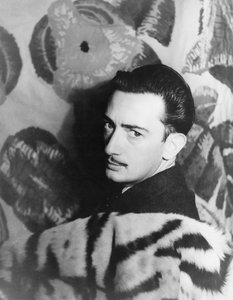
萨尔瓦多·达利
1904 - 1989 , 西班牙
快速概览
- Artistic Movement Or Style: 超现实主义
- Artists Or Movements Influenced By This Artist:
- 波普艺术
- 当代艺术家
- Artists Who Influenced This Artist:
- 毕加索
- 米罗
- 古列霍
- Date Of Birth: 1904年5月11日
- Date Of Death: 1989年1月23日
- Full Name: 萨尔瓦多·达利
- Nationality: 西班牙
- Notable Artworks:
- 记忆的固执
- 曼妮肯(巴塞罗那人偶)
- 加莱塔的球体
- 软构造(内战预示)
- 圣约翰受难像
- Place Of Birth (City And Country): 西班牙菲格雷斯
相关文章
萨尔瓦多·达利:25幅大师级作品,重塑超现实主义艺术与家居美学
探索萨尔瓦多·达利25幅大师级作品,领略超现实主义的奇幻魅力!深入了解达利的艺术风格、梦境般的色彩与象征意义。OriginalUniqueArt.com提供博物馆品质的达利画作复制品,为您的家居带来艺术灵感。立即探索完整系列!

Decoding Dalí: The Secrets of the Paranoiac-Critical Method and Surrealist Symbols
Unlock the mysteries of Salvador Dalí. Explore the profound secrets behind his Paranoiac-Critical Method and decode the surrealist symbols that define his legendary dreamscapes in this expert art history guide.
浮世奇想:十幅定义超现实主义的艺术杰作
探索超现实主义的十幅艺术瑰宝!从达利到马格里特,重温这些定义了梦境与想象力的杰作。深入了解艺术家故事、创作技法,感受色彩与情感的力量。OriginalUniqueArt.com为您提供博物馆品质画作复制及精选家居装饰方案。尽在OriginalUniqueArt.com!

Decoding Dalí: The Paranoiac-Critical Method and Surrealist Symbols Explained
Master the complexities of Salvador Dalí's work. Explore the Paranoiac-Critical Method, decode iconic Surrealist symbols, and understand the psychological depth behind his technical brilliance in this expert art history guide designed for students and collectors.
Salvador Dalí: Surrealism, Subconscious Exploration & Artistic Innovation
Explore the captivating world of Salvador Dalí! Discover his surrealist masterpieces, profound connection to Freud's theories, and lasting impact on art & culture. A deep dive into a visionary artist.


