

 实景预览
实景预览
 发送
发送 分享
分享
 详情
详情 指南
指南

 下载图片
下载图片
 相似作品
相似作品 X射线
X射线 幻灯片播放
幻灯片播放 统计数据
统计数据Esther Scroll
 Engraving
- Baroque
 1641
1641- Early Modern
 504.0 x 202.0 cm
 犹太博物馆
犹太博物馆
 阅读全文
阅读全文
艺术微喷/版画
博物馆级艺术微喷或帆布版画,制作高效,并提供多种饰面选择。 ( 订购此收藏品的纯手工复刻画作 切换至数字图像销售渠道)




P118B $10

P118H $10

P118W $10

P438Z $10

P508JH $12

P508YH $12

P805H $10

P805Z $10

P919BZ $10

P919G $10

P919XJ $10

P959ZH $10

P968JZ $12

W106C $8

W218G $10

W218JH $8

W218Y $10

W307PJ $10

W316G $10

W316PJ $8

W316Y $10

W398PJ $8

W4111J $10

W500HY $15

W500JH $15

W692G $12

W849H $8

W940BG $15

W953PJ $8




您可以从与原作比例一致的预设尺寸中进行选择。

您可以输入自定义尺寸,以适配特定的画框或空间。如果您选择的尺寸与原图比例不符,我们将对作品进行裁剪,或通过镜像填充/纯色填充边缘的方式来扩展图像。在开始制作之前,我们会向您发送一份数字效果图供您确认。
请注意,屏幕上的预览并不能反映实际的裁剪或扩展效果。只有效果图才能准确展示最终的构图。
虽然我们提供定制尺寸,但为了保持原图比例,我们建议您从预设列表中选择尺寸。


 玻璃选项仅适用于110厘米以下的尺寸。

Esther Scroll
艺术微喷/版画
复刻品尺寸说明
-


总计金额
$ 80
A Tapestry of Faith and Resilience: The Esther Scroll
In the vast landscape of seventeenth-century art, few works possess the intimate, narrative power of Salomo D’Italia’s Esther Scroll. Created in 1641, this monumental piece serves as more than just a visual record; it is a breathtaking journey through biblical history and cultural identity. At its heart, the work presents a central female figure, likely Queen Esther, framed by an intricate web of designs that evoke the texture of ancient parchment. The composition draws the viewer into a world where the sacred and the historical converge, utilizing a close-up perspective that makes the delicate details feel almost tactile. As one gazes upon the central subject, the surrounding figures in the background emerge like echoes from a distant era, creating a sense of depth and communal storytelling that is both profound and hauntingly beautiful.
The technique employed by D’Italia reflects the mastery of the Dutch Golden Age, specifically through the meticulous precision of copper engraving. This medium allowed for an extraordinary level of detail, where every fine line contributes to the overall atmosphere of reverence. The artist’s ability to manipulate light and shadow within the engraved lines gives the parchment a lifelike quality, suggesting the weight and age of a relic recovered from time. For the discerning collector or interior designer, this piece offers a sophisticated interplay of texture and tone. Its expansive dimensions—stretching over five meters in length—allow it to command a room, acting as a focal point that invites prolonged contemplation and serves as a conversation piece of unparalleled historical significance.
Beyond its aesthetic brilliance, the Esther Scroll is steeped in deep symbolic resonance. Born from the vibrant artistic melting pot of Amsterdam, D’Italia’s work masterfully weaves together themes of the Jewish diaspora with the burgeoning spirit of liberation felt in the Netherlands following the Eighty Years’ War. The scroll functions as a visual metaphor for survival and courage; just as Esther risked her life to save her people, the art itself preserves a cultural memory against the erosion of time. This emotional layer—the tension between vulnerability and strength—makes the work deeply moving. It is an ideal acquisition for those who seek art that does not merely decorate a space but enriches it with soul, history, and a timeless narrative of hope.
艺术家简介
Salomo D’Italia: A Pioneer of Jewish Diaspora Art
Salomo D’Italia (also Salomo d'italia), born around 1619 in Mantua, Italy, was a prolific copper engraver who achieved international renown during the Dutch Golden Age. His artistic legacy rests primarily on his monumental illustrations for Esther Scroll, a masterpiece that seamlessly blended Jewish diaspora themes with the spirit of liberation animating Amsterdam following the Eighty Years’ War—a testament to his profound understanding of cultural currents and artistic innovation.- Early Life & Training: Little is known about D'Italia’s formative years beyond his birthplace. He honed his engraving skills in Mantua, absorbing influences from Mannerism and Renaissance traditions prevalent at the time. These foundational experiences would prove crucial to shaping his distinctive style.
- Amsterdam Years & Patronage: D’Italia relocated to Amsterdam around 1640, establishing himself as a respected engraver and securing commissions from influential patrons—primarily Jewish merchants eager to commemorate biblical narratives and express their aspirations for autonomy amidst religious persecution.
- The Esther Scroll: The centerpiece of D’Italia's oeuvre is undoubtedly the Esther Scroll, commissioned by Rabbi Hayyim Vital in 1649. This ambitious project involved painstakingly transferring biblical scenes onto copper plates using mezzotint technique—a process known for its tonal richness and ability to convey subtle nuances of light and shadow.
- Technique & Style: D’Italia's engraving style is characterized by meticulous detail, expressive linework, and a masterful command of chiaroscuro—the dramatic interplay between light and dark—resulting in images imbued with palpable emotion and conveying the grandeur of biblical storytelling. His prints demonstrate an exceptional grasp of perspective and anatomical accuracy.
- Legacy & Influence: D’Italia's Esther Scroll stands as one of the earliest surviving depictions of Jewish life during the diaspora, capturing a pivotal moment in Jewish history—the siege of Jerusalem and the courageous defiance of Mordechai and Esther against imperial oppression. It remains an enduring symbol of resilience and artistic excellence, influencing subsequent generations of engravers and artists alike.
Exploring ‘Termoigrografo’: An Industrial Sculpture
Beyond his biblical illustrations, D’Italia produced a singular sculptural piece titled “Termoigrografo,” created in 1970. This innovative artwork combines copper and metal to represent meteorological data—a testament to D'Italia's versatility as an artist and his engagement with contemporary technological advancements. The sculpture embodies the spirit of experimentation and reflects the broader artistic landscape of its era.- Material & Design: Crafted from copper and metal, “Termoigrografo” showcases a striking visual contrast between smooth surfaces and textured textures—a deliberate choice intended to convey complexity and dynamism.
- Symbolism & Concept: The sculpture’s form evokes imagery of heat and cold—representing opposing forces that govern weather patterns—underscoring D’Italia's fascination with scientific observation and artistic interpretation.
The Esther Scroll Revisited: A Masterpiece of Biblical Illustration
The Esther Scroll remains D’Italia’s most celebrated achievement, cementing his place as a pivotal figure in Jewish art history. Its enduring appeal stems from its profound psychological depth and masterful execution—a testament to D'Italia's artistic vision and technical prowess. The scroll exemplifies the fusion of biblical narrative with humanist ideals characteristic of the Dutch Golden Age.- Mezzotint Technique: D’Italia skillfully employed mezzotint engraving, a technique that utilizes hardened copper plates and abrasive powders to create tonal gradations—resulting in prints possessing unparalleled luminosity and expressive power.
- Composition & Detail: The scroll's composition is meticulously balanced, guiding the viewer's gaze across dramatic scenes depicting Esther’s courageous plea before King Xerxes and Mordechai’s unwavering loyalty. Every detail—from facial expressions to drapery folds—is rendered with painstaking accuracy.
Beyond the Scroll: Reflections on Venetian Art & Patronage
D'Italia’s artistic journey extended beyond Amsterdam, where he collaborated with Lodovico Furlanetto on “Nuoua pianta eleuata della nobile e cospicua citta di Venezia,” a map documenting Venice’s architectural heritage. This project demonstrates D’Italia’s commitment to preserving cultural traditions and engaging in dialogue between art and scholarship—reflecting the intellectual ferment of his time.- Venetian Influence: Venetian artistic sensibilities profoundly impacted D’Italia's aesthetic sensibilities, fostering a fascination with classical ideals and decorative ornamentation.
Concluding Remarks: An Artist Ahead of His Time
Salomo D’Italia died in Amsterdam around 1655, leaving behind an indelible mark on the history of engraving and Jewish art. His Esther Scroll continues to inspire admiration for its artistic brilliance and historical significance—a testament to his enduring legacy as a visionary artist who captured the spirit of his era while elevating biblical storytelling to new heights.
salomo d'italia
Italy
快速概览
- Artistic Movement Or Style: Dutch Golden Age
- Artists Or Movements Influenced By This Artist: ['Dutch Baroque']
- Date Of Birth: Around 1619
- Full Name: Salomo D'Italia
- Nationality: Italian
- Notable Artworks:
- Termoigrografo
- Salvadanaio in ceramica
- Esther Scroll
- Place Of Birth: Mantua, Italy
相关文章

The Precision of the Burin: An Expert Guide to the High-Impact World of Masterful Engraving Art
Discover the sharp, high-impact world of engraving art. Our expert guide explores intaglio techniques, the mastery of the burin, and how collectors can appreciate the precision and enduring legacy of this profound graphic art form.

Engraving's Golden Age: 10 Masterpieces That Redefined Art | OriginalUniqueArt
Journey through art history with our Top 10 Legendary Engravings! Explore masterpieces by Dürer, Rembrandt & Goya. Discover the stories behind these iconic prints and find museum-quality reproductions for your home at OriginalUniqueArt.com.
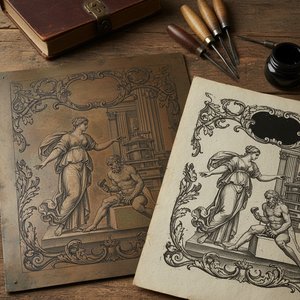
The Art of Engraving: Mastering Precision and Detail in the Intaglio Tradition
Explore the profound mastery of engraving and intaglio printmaking. Delve into the rich history, technical precision of the burin, and the enduring legacy of fine art techniques that shaped the world's most iconic masterpieces.

The Intricate World of Engraving: A Historical Survey of Technique, Artistic Expression & Enduring Legacy
Explore the rich history of engraving with OriginalUniqueArt. Discover techniques, iconic artists like Dürer & Callot, collecting tips, and expert guidance for preserving your art investment. Learn about intaglio printing & more!

Engraving: A Historical Survey of Technique, Artistic Expression & Enduring Legacy
Explore the rich history of engraving with OriginalUniqueArt. Discover techniques, iconic artists like Dürer & Callot, collecting tips, and expert guidance for preserving your art investment. Learn about intaglio printing & more!