

 分享
分享 分享
分享
 详情
详情 指南
指南

 下载作品
下载作品
 相似作品
相似作品 幻灯片播放
幻灯片播放 Q&A
Q&A 统计数据
统计数据Watts Towers


 展开全文
展开全文
艺术微喷/版画
博物馆级艺术微喷或帆布版画,制作高效,并提供多种饰面选择。 ( 订购纯手工绘制画作 切换至数字图像销售渠道)




































您可以从与原作比例一致的预设尺寸中进行选择。

请输入您所需的宽度和高度,以适配您的画框或墙面。由于印刷品只能进行裁剪,无法超出原图尺寸,因此若比例不一致,画面的一部分将会被裁切。在正式印刷之前,我们会为您发送一份数字效果图供您确认。本页面显示的图片并非最终裁剪后的效果——只有效果图才能展示真实的裁剪情况。


 玻璃选项仅适用于110厘米以下的尺寸。

Watts Towers
艺术微喷/版画
复刻品尺寸
-


最终结算价
¥ 537
A Monument of Memory and Grit
In the heart of Los Angeles stands a testament to human perseverance and the boundless reach of the creative spirit: the Watts Towers. Captured in this evocative 1954 photograph, the structures emerge from the urban landscape like skeletal cathedrals, their steel armatures reaching toward the sky with an almost organic grace. This black and white window into the past reveals a moment when the towers, known as Nuestro Pueblo, were still deeply embedded in the daily rhythm of the neighborhood. The image captures more than just architecture; it captures a sense of quiet awe, where the towering silhouettes of Sabato Rodia’s creation loom over the mundane street life, bridging the gap between the earthly and the divine.
The composition of this photograph invites the viewer to wander through a vanished era. As we gaze upon the interplay of light and shadow across the concrete and steel, we see the early stages of what would become one of the world's most significant examples of outsider art. The presence of passersby near the base of these giants provides a profound sense of scale, reminding us that while the towers are monumental, they were born from a deeply personal, human endeavor. For the collector or designer, this image offers a sophisticated study in texture and form, making it an ideal centerpiece for spaces that celebrate historical depth and architectural intrigue.
The Alchemy of Found Objects
To understand the Watts Towers is to understand the concept of art brut—the art of the outsider. Sabato Rodia, an Italian immigrant, transformed discarded fragments of urban life into a mosaic masterpiece. Though this photograph captures the structural bones of the towers, it hints at the incredible complexity of the surfaces that would eventually be encrusted with sea shells, broken glass, ceramic tiles, and repurposed ceramics. The technique is one of pure alchemy: turning the refuse of a growing metropolis into a shimmering, textured skin that catches the light in a thousand different directions.
The historical context of this 1954 capture is vital; it represents a period of transition for Los Angeles. Rodia spent over three decades—from 1921 to 1954—meticulously building these structures, often working alone with little more than steel rebar and wire mesh. This photograph serves as a hauntingly beautiful record of that labor. For those looking to decorate a space with pieces that evoke a sense of "found beauty," this artwork provides an unparalleled narrative of transformation. It is a celebration of the idea that nothing is truly lost, only waiting to be reimagined through the lens of artistic vision.
An Emotional Legacy for Modern Spaces
Beyond their physical presence, the Watts Towers carry a heavy emotional weight. They are symbols of identity, heritage, and the immigrant experience. The name Nuestro Pueblo—Our Town—speaks to a sense of community and belonging that transcends the individual creator. When integrating a reproduction of this work into an interior design scheme, one is not merely adding a photograph; one is introducing a conversation about resilience and the enduring power of the human hand. The stark contrast of the monochrome palette allows the architectural geometry to shine, making it a versatile choice for both minimalist modern galleries and more eclectic, storied living rooms.
For the discerning art lover, this piece acts as an anchor of authenticity. It evokes a nostalgia not just for a time period, but for a way of creating that is tactile, slow, and deeply intentional. Whether placed in a professional studio or a private study, the 1954 photograph of the Watts Towers serves as a constant reminder that greatness can be built from the simplest of materials, provided there is enough passion to bind them together.
常见问题与解答
Outsider Art 流派的作品 "Watts Towers" 源自哪个国家?
《Watts Towers》由出生于 意大利 的 萨巴托·罗迪亚 在 Outsider Art 运动背景下创作而成。艺术家的原籍地使这部作品与 意大利 艺术家所实践的 Outsider Art 风格紧密相连。
哪里可以买到萨巴托·罗迪亚 的《Watts Towers》的手绘复制品?
您可以通过亚麻画布手工油画复制品来订购《Watts Towers》的手绘复制品。您可以前往其手工油画复刻页面进行下单,并根据需求选择不同的尺寸。
"Watts Towers" 是否支持增强现实 (AR) 预览?
通过作品的 AR 效果预览 页面,您可以在兼容设备上使用增强现实技术,在自己的墙面上预览 萨巴托·罗迪亚 的《Watts Towers》。
艺术家简介
早年生活与职业生涯
萨巴托·罗迪亚(Sabato Rodia),亦被称为西蒙·罗迪亚,是一位移居美国的意大利移民。他于1879年出生于意大利的塞里诺,其成年生活的大部分时光都在洛杉矶度过。正是在这座城市,他倾注毕生心血建造了著名的瓦茨塔群(Watts Towers)——这是一组由17座相互连接的雕塑塔、建筑结构以及独立的雕塑特征与马赛克组成的宏伟艺术集合。瓦茨塔群:原生艺术的杰作
瓦茨塔群是原生艺术(又称“粗犷艺术”)与意裔美国朴素艺术(Naïve Art)的典范之作。从1921年至1954年,罗迪亚凭借一己之力历时33年完成了设计与建造,其中最高的塔楼矗立于近99.5英尺(30.3米)的高度。如今,这片遗址已成为西蒙·罗迪亚州立历史公园的一部分,不仅是洛杉矶的历史文化纪念碑,也是洛杉矶国家史迹名录中仅有的九处民间艺术遗址之一。设计与建造工艺
罗迪亚的塔身骨架由钢筋构建,外层包裹着金属丝网,并点缀着各种拾得物,包括玻璃瓶、陶瓷砖、贝壳、小雕像、镜子及其他各类物品。其主体支撑结构中还嵌入了瓷片、地砖和玻璃碎片。[https://OriginalUniqueArt.com/@@/d4csx7-sabato-rodia-watts-towers](作品:'sabato rodia' | 萨巴托·罗迪亚:瓦茨塔群(美国加利福尼亚州公共场所艺术,雕塑))传承与保护
1990年,瓦茨塔群被正式指定为国家历史地标和加利福尼亚历史地标。[https://en.wikipedia.org/wiki/watts_towers](维基百科:瓦茨塔群)提供了更多关于该遗址历史及保护工作的详细信息。- 关键事实:
- 1879年出生于意大利塞里诺
- 成年生活的大部分时间在洛杉矶度过
- 历时33年(1921-1954)建造了瓦茨塔群
- 1990年被指定为国家历史地标和加利福尼亚历史地标
- 相关艺术家:
- [https://OriginalUniqueArt.com/@/carlo-jeannerat](艺术家:Carlo Jeannerat)
- [https://OriginalUniqueArt.com/@/michelangelo-buonarroti](艺术家:米开朗基罗·布奥纳罗蒂)
- 相关画作:
- [https://OriginalUniqueArt.com/@@/d4csx7-sabato-rodia-watts-towers](作品:'sabato rodia' | 萨巴托·罗迪亚:瓦茨塔群)
- [https://OriginalUniqueArt.com/@@/9gg6g7-michelangelo-buonarroti-the-conversion-of-saul-(detail-)](作品:'michelangelo buonarroti' | 米开朗基罗·布奥纳罗蒂:扫罗的皈依(细节))
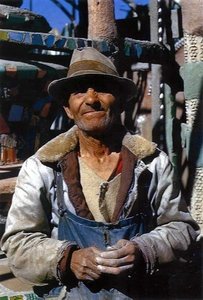
萨巴托·罗迪亚
1879 - 1965 , 意大利
艺术家简介
- Artistic Movement Or Style: 表现主义, 超现实主义
- Artists Or Movements Influenced By This Artist:
- 包豪斯
- 超现实主义
- Artists Who Influenced This Artist:
- 列奥纳多·达·芬奇
- 瓦西里·康定斯基
- Date Of Birth: 1879年12月18日
- Date Of Death: 1940年6月29日
- Full Name: 保罗·克利
- Nationality: 瑞士-德国
- Notable Artworks:
- 新天使
- 塞内西奥
- 鸟鸣器
- Place Of Birth: 瑞士,米兴布赫塞
相关文章

The Enduring Form: Sculpture Across History, Technique & Emotional Resonance
Explore the rich history of sculpture with OriginalUniqueArt. Discover key techniques, influential artists & investment potential for discerning collectors. Expert insights into valuing and collecting timeless masterpieces.
青铜雕塑艺术史:跨越千年的力量与美感,探究古代铸造工艺与现代创作的永恒魅力
探索青铜雕塑的千年魅力,本文由资深艺术史学者撰写,深入解析古代铸造技术与现代收藏价值。为高端藏家提供专业鉴定、保养指南和投资建议,让您在信任与品质中发现珍贵艺术品。

Bronze Age to Modern Masters: 10 Sculptures That Redefined Art | OriginalUniqueArt
Journey through art history with 10 legendary bronze sculptures – from Michelangelo's David to Rodin’s Thinker. Explore the stories, techniques & timeless beauty of these masterpieces. Find museum-quality reproductions & elevate your home decor on OriginalUniqueArt.com.

The Enduring Form: Exploring Themes & Techniques in Sculpture Across Historical Periods
Explore the rich history of sculpture from ancient masterpieces to contemporary innovations. Discover key techniques, influential artists & investment potential for discerning art collectors.

Bronze Sculptures That Defined Art History | OriginalUniqueArt
Journey through art history with our Top 10 bronze sculptures! Explore masterpieces by Rodin, Michelangelo & more. Discover stories behind iconic statues and find museum-quality reproductions for your home decor at OriginalUniqueArt.com.