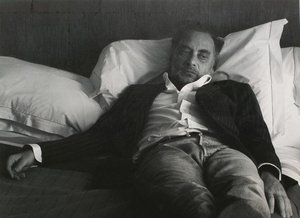
油画原件
 关于 Untitled 的一切







































 对于任何边长超过 105 厘米(约 41 英寸)的艺术品或复制品,画框将以拆解后的组件形式发货。此方法可确保安全送达并防止运输过程中的损坏。


Rudolf Stingel’s ‘Untitled’: A Dialogue Between Medieval Iconography and Industrial Texture
Rudolf Stingel's oeuvre defies easy categorization, presenting an artist who consistently interrogates the boundaries between art and everyday life. His work isn’t merely aesthetically pleasing; it compels viewers to contemplate their own perceptions of beauty and artistic process—a deliberate provocation that distinguishes him from many contemporary practitioners. This essay delves into the conceptual core of ‘Untitled,’ examining its striking monochrome sculpture, exploring its fusion of disparate influences, and uncovering the profound emotional resonance embedded within its textured surface.The Sculpture’s Genesis: Material Transformation
Stingel's artistic approach begins with a radical reimagining of conventional materials. Rather than relying on traditional mediums like oil paint or marble, he utilizes industrial components—primarily styrofoam and cast polyurethane—to construct monumental sculptures that challenge preconceived notions about artistic expression. This deliberate selection speaks to Stingel’s fascination with the intersection between craft and industry, mirroring the broader cultural shift towards embracing repurposed materials and questioning established hierarchies within the art world. The process itself is equally significant: Stingel meticulously carves out geometric forms from these blocks of polyurethane, imprinting them with intricate patterns reminiscent of medieval iconography—a deliberate juxtaposition designed to disrupt visual expectations.Medieval Echoes: Symbolism and Iconographic Influence
The sculpture’s surface bears unmistakable traces of religious symbolism. Recurring motifs – crosses, halos, and stylized figures – echo the traditions of European art history, specifically referencing Byzantine icons and Renaissance frescoes. Stingel isn't attempting a literal representation; instead, he employs these symbols as points of reference to stimulate contemplation about faith, spirituality, and the enduring power of visual imagery. This layering of references elevates ‘Untitled’ beyond mere sculptural form, transforming it into a vehicle for conveying complex ideas about cultural heritage and artistic interpretation. The artist’s intention is not simply to reproduce recognizable images but to engage in a dialogue with art history itself.Texture as Emotional Resonance: Technique and Material Exploration
The sculpture's surface possesses an extraordinary tactile quality—a deliberate departure from the smooth, polished finishes typical of classical sculpture. Stingel employs a technique known as ‘carving out,’ where he removes material from the polyurethane block to reveal underlying textures that are then painstakingly smoothed and polished. This process creates surfaces that appear both monumental and subtly vulnerable, mirroring the artist’s exploration of materiality as an expressive medium. The resulting texture is deliberately uneven, capturing the marks of the carving process and emphasizing the physicality of the artwork—a conscious decision to counteract the perceived detachment of abstract sculpture and foster a connection between viewer and object.A Reflection on Perception: Artistic Intent
Ultimately, ‘Untitled’ serves as a meditation on how we perceive art and its relationship to our environment. Stingel's masterful manipulation of industrial material alongside classical iconography compels us to reconsider what constitutes beauty and artistic significance. The sculpture invites viewers to engage in an active process of interpretation—to consider the interplay between tradition and innovation, materiality and symbolism. It’s a testament to Stingel’s belief that art should provoke thought and emotion, pushing beyond mere visual gratification toward a deeper understanding of human experience.Concluding Thoughts: Beyond Representation
‘Untitled’ exemplifies Stingel's commitment to conceptual painting and installations—a genre characterized by its focus on ideas rather than literal depictions. He prioritizes the process of creation itself, demonstrating how readily available materials can be transformed into artworks that resonate with profound emotional depth. By juxtaposing industrial texture with religious iconography, Stingel compels us to confront our assumptions about art’s role in shaping cultural consciousness—a legacy that secures his place as one of the most distinctive voices in contemporary sculpture.常见问题与解答
Untitled是手绘的还是印刷的?
手工绘制:由受过专业训练的画家在亚麻画布上,以油画形式临摹 Untitled。
Untitled 我该选择什么尺寸?
原作尺寸为 33 x 40 cm。 尺寸范围从 34.9 x 28.7 cm (¥1337) 到 242.5 x 199.3 cm (¥11847);本页表格列出了主要步骤及其价格。
物流需要多长时间?
送货时间为 4 至 5 周,并提供全球免费快递服务;本页面还提供加急制作选项。您可以在 100 天内无条件退货并获得全额退款。
《Untitled》的原作在哪里?
原作收藏于威尼斯的Palazzo Grassi。
鲁道夫·施特格尔 在创作《Untitled》时使用了什么媒介?
Acrylic On Canvas
 实景预览

 分享
 分享
 详情
 详情页


 下载作品
 相似作品
 X射线
 幻灯片播放
 问答

 统计数据