切换至版画销售渠道
 展开全文
展开全文







































 对于任何边长超过 105 厘米(约 41 英寸)的艺术品或复制品,画框将以拆解后的组件形式发货。此方法可确保安全送达并防止运输过程中的损坏。


A Bold Statement in Red and Yellow: Exploring Roy Lichtenstein's "Bamboo Frame"
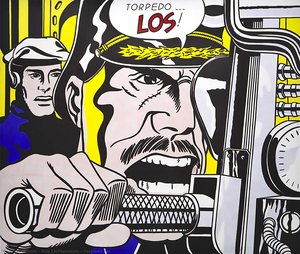
Roy Lichtenstein’s “Bamboo Frame,” painted in 1984, is more than just a depiction of a red curtain with yellow stripes; it’s a potent distillation of the Pop Art movement’s fascination with mass culture and its ability to elevate everyday objects into profound artistic statements. This large-scale artwork immediately commands attention with its vibrant color palette – the assertive red of the curtain juxtaposed against the energetic yellows, all set within a surprisingly delicate pink background. The inclusion of two figures, subtly positioned within the scene, adds an element of narrative and invites the viewer to consider their role as participant in this carefully constructed visual experience.
The Pop Art Revolution and Lichtenstein’s Technique
Created during a period of significant social and cultural change – the late 1980s saw a renewed interest in commercial art and popular imagery – “Bamboo Frame” exemplifies Lichtenstein's signature style. He achieved this iconic look through a meticulous process of serigraphy, or screen printing, a technique borrowed from the world of advertising and comic books. This method allowed him to build up layers of color with incredible precision, creating the characteristic hard-edged lines and Ben-Day dots that define his work. The deliberate flatness of the image, a rejection of traditional perspective, further emphasizes its connection to commercial art forms. The use of pink as a background is particularly noteworthy; it softens the boldness of the red and yellow, adding an unexpected layer of complexity and subtly referencing the decorative arts – a conscious nod to the artists Lichtenstein admired.
Symbolism and Narrative within the Everyday
While seemingly simple in its composition, “Bamboo Frame” is rich with symbolic potential. The curtain itself can be interpreted as a barrier, a division between inside and outside, or perhaps even a representation of the art world’s perceived distance from the public. The two figures, rendered with Lichtenstein's signature simplified forms, are ambiguous; they could represent viewers observing the scene, or perhaps even the artist himself contemplating his subject matter. The title, “Bamboo Frame,” adds another layer of intrigue, suggesting a connection to traditional East Asian art and design – a subtle reference to Lichtenstein’s lifelong interest in Japanese aesthetics. The overall effect is one of controlled chaos, inviting contemplation on themes of perception, representation, and the relationship between high and low culture.
A Timeless Piece for Collection and Interior Design
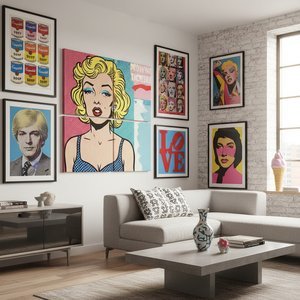
“Bamboo Frame” by Roy Lichtenstein remains a compelling work of art, demonstrating his mastery of Pop Art techniques and his ability to transform familiar imagery into enduring icons. This reproduction offers an exceptional opportunity to own a piece of art history, bringing the boldness and sophistication of Lichtenstein’s vision into your home or office. Its vibrant colors and dynamic composition make it a striking focal point in any space, while its historical significance ensures that it will continue to captivate viewers for generations to come.
常见问题与解答
“Bamboo frame” 是什么类型的作品?
“Bamboo frame”是一件WallArt作品。
"Bamboo frame" 的画幅比例是多少?
"Bamboo frame" 的画幅格式为 Landscape。这对于规划复制品的摆放位置非常有用。
鉴于创作日期,"Bamboo frame" 属于 罗伊·利希滕斯坦 艺术生涯中的哪个阶段?
"Bamboo frame"创作于1984年,属于罗伊·利希滕斯坦艺术生涯中的Pop Art时期。
 实景预览
实景预览
 分享
分享 分享
分享
 详情
详情 指南
指南

 下载作品
下载作品
 相似作品
相似作品 X射线
X射线 幻灯片播放
幻灯片播放 问答
问答 统计数据
统计数据