油画原件
 关于 Pompeii 的一切







































 对于任何边长超过 105 厘米(约 41 英寸)的艺术品或复制品,画框将以拆解后的组件形式发货。此方法可确保安全送达并防止运输过程中的损坏。


Identification of the Artwork and Artist
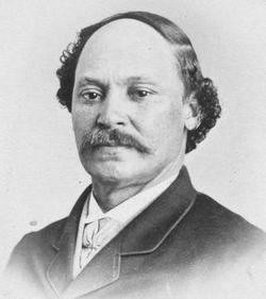
The painting Pompeii is a work by the artist Robert Seldon Duncanson. Created in 1855, this oil on canvas captures a specific moment of stillness. The artist, born in Fayette, United States, in 1821, sought to translate the weight of history through the medium of paint. He lived until 1872.
Duncanson was a man of many layers, a pioneer of the American landscape. His hands moved from the practical work of carpentry to the delicate application of oil. He studied the light of the Old Masters to find his own way through the wilderness. This work emerged from that disciplined study.
The canvas holds a view of ancient ruins and a volcanic landscape. It is a quiet record of stone and sky. The brush traces the edges of a mountain and the silhouette of a tower. A stillness remains.
The Composition and Visual Elements
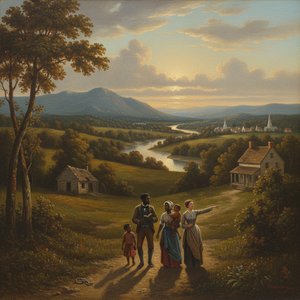
A large stone tower anchors the foreground, its heavy presence grounding the viewer amidst a mountainous landscape. Near this structure, a group of people gathers, their small forms providing a sense of scale against the ancient masonry. Scattered trees and bushes break the terrain, adding organic textures to the rugged earth. The eye is drawn from these immediate details toward the water, where several boats drift upon the surface.
In the distance, a second, smaller tower rises against the backdrop of the mountains. The composition relies on a receding perspective, layering the bay, the ruins, and the peaks to establish a deep sense of space. Light softens the distant mountains, creating an atmospheric veil over the volcanic landscape. The verticality of the stone structures contrasts with the horizontal stillness of the water. A quiet shadow falls across the rocks.
Technical Details and Artistic Style
The artist works in oil on canvas, layering pigment to build a sense of weight and light. Through the careful application of blending and glazing, smooth transitions emerge between the shadows of the ruins and the glow of the sky. This technique allows the colors to settle into one another, creating a soft, atmospheric depth. The composition relies on atmospheric perspective, where the clarity of the distant mountains and the volcano is softened by the intervening air, pushing the horizon far into the distance.
A tension exists between the geometric and the wild. The verticality of the central column and the rounded dome provide a linear structure that anchors the scene. These rigid, man-made forms contrast against the organic textures of the irregular rocks, the scattered foliage, and the drifting clouds. This marriage of the structured and the untamed is a hallmark of the Hudson River School and the Romanticism movement. The light does not merely illuminate; it defines the space, using tonal shifts to guide the eye from the foreground stones toward the hazy, volcanic peaks.
Thematic and Historical Context
The canvas captures a collision between the enduring earth and the fragile remnants of human endeavor. A single stone column rises from the terrain, a vertical ghost of classical architecture standing against a landscape of volcanic power. In the distance, the silhouette of a smoking volcano looms, a silent reminder of the geological forces that once buried this site. The composition places the scale of the natural world above the broken geometry of civilization, emphasizing a quiet tension between the permanence of mountains and the decay of stone.
This work explores the heavy weight of time through the lens of historical ruins. By situating human structures within a vast, untamed environment, the painting examines the relationship between the built world and the wild. The stillness of the scene suggests a moment of quiet contemplation regarding the passage of years and the inevitable reclamation of cities by the earth. It is a study of what remains when the pulse of a city has ceased, leaving only the mountains and the ash.
Related Works by the Artist
The artist’s hand often returned to the tension between the permanent and the fleeting. In 1870, he revisited the shadow of the volcano in Vesuvius and Pompeii. This later work echoes the geological power found in his earlier studies. He also captured the quietude of the pastoral in Landscape with Sheep. The animals move through a landscape that feels settled and still.
Earlier in his career, his focus shifted toward the intimate and the specific. He painted Roses Still Life in 1843, a study of delicate forms. In 1844, he turned his attention to the American terrain with Mt. Healthy, Ohio. These works reveal a painter navigating the transition from small, contained subjects to the vastness of the natural world. A single petal or a distant hill remains held in his gaze. The light settles on the earth and stays.
常见问题与解答
Pompeii是手绘的还是印刷的?
手工绘制:由受过专业训练的画家在亚麻画布上,以油画形式临摹 Pompeii。
Pompeii 我该选择什么尺寸?
原作尺寸为 53 x 43 cm。 尺寸范围从 35.5 x 28.2 cm (¥1337) 到 246.6 x 196.0 cm (¥11848);本页表格列出了主要步骤及其价格。
物流需要多长时间?
送货时间为 4 至 5 周,并提供全球免费快递服务;本页面还提供加急制作选项。您可以在 100 天内无条件退货并获得全额退款。
《Pompeii》的原作在哪里?
原作收藏于华盛顿特区的史密森尼美国艺术博物馆。
罗伯特·S·邓肯森 在创作《Pompeii》时使用了什么媒介?
Oil On Canvas
 实景预览

 分享
 分享
 详情
 详情页


 下载作品
 相似作品
 X射线
 幻灯片播放
 问答

 统计数据